TRENDING

Thursday, 8 October 2026
----------------------
27 Rabi' Al-Thani 1448 AH
The historic loan of the Bayeux Tapestry to the UK, marking its first departure from France in nearly a millennium, signifies a profound act of cultural diplomacy between two historically intertwined nations. This high-profile exhibition at the British Museum underscores the enduring power of shared heritage in fostering international goodwill amidst contemporary geopolitical shifts.
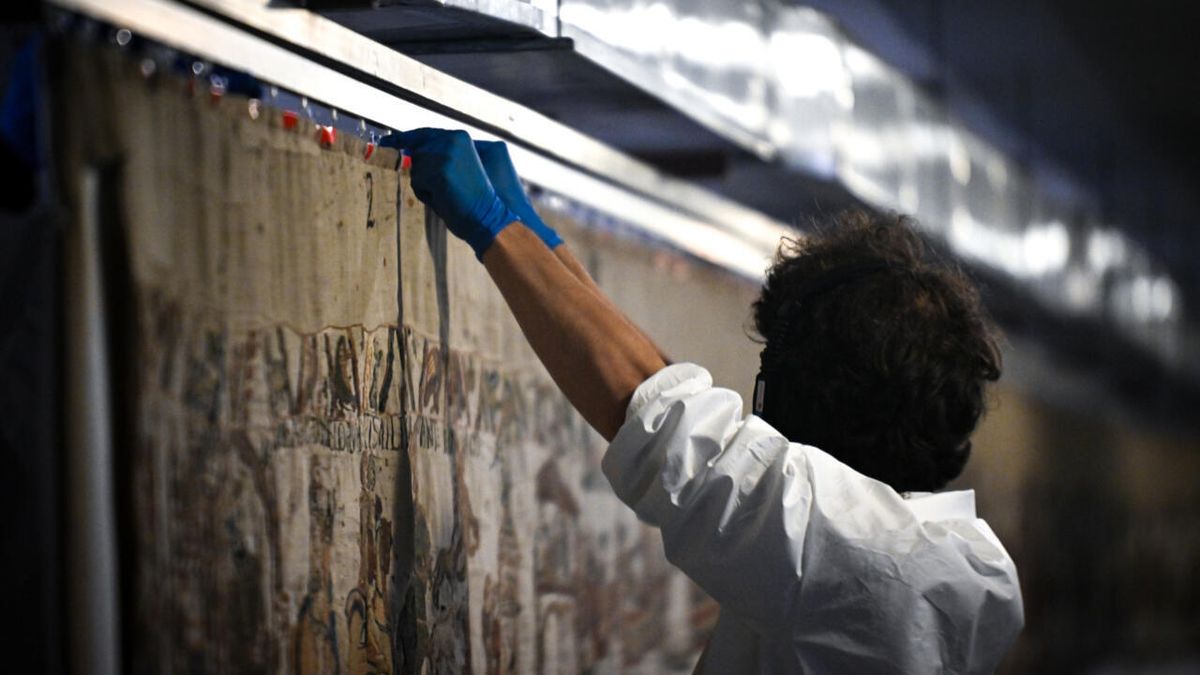
On July 10, 2026, a pivotal moment in Franco-British relations unfolded as the Bayeux Tapestry, a priceless medieval artifact, arrived safely in London. This event marked the first time in nearly 1,000 years that the iconic embroidery has left French soil for an extended period, destined for a year-long exhibition at the British Museum. The journey, shrouded in secrecy due to immense security concerns, culminated in a public homecoming for a visual record central to both nations' histories.
The tapestry, which vividly recounts the events leading up to the 1066 Battle of Hastings and the Norman Conquest of England, will be on display from September 2026 until July 2027. Its arrival, meticulously planned and executed, involved a climate-controlled, shock-absorbing transport across the Channel Tunnel, escorted by police, underscoring the extraordinary value and fragility of the 70-meter artwork.
Beyond its immense historical and artistic significance, the loan of the Bayeux Tapestry represents a potent act of cultural diplomacy. The agreement was initially announced during a state visit to the UK by French President Emmanuel Macron in July 2025, signaling a deliberate effort to strengthen bilateral ties. Retired British diplomat Peter Ricketts, instrumental in securing the deal, characterized it as an "extraordinary mark of friendship and confidence" from France towards the UK.
This gesture is particularly resonant given the sometimes fractious yet deeply intertwined histories of France and Britain. The tapestry itself, depicting the last successful invasion of England by a foreign power originating from what is now France, serves as a powerful symbol of this complex relationship. Its presence in London allows the British public to engage directly with a foundational moment of their national story, while for France, it is an act of generosity that enhances its soft power and cultural influence.
In a reciprocal arrangement, the British Museum will loan artifacts from the Sutton Hoo hoard and other treasures to museums in Normandy, further cementing this cultural exchange. This mutual sharing of heritage underscores a broader diplomatic strategy to foster goodwill and understanding, especially pertinent in a post-Brexit landscape where the UK is actively redefining its international partnerships.
The Bayeux Tapestry, believed to have been commissioned by Bishop Odo of Bayeux, William the Conqueror's half-brother, and likely sewn by women in England, has spent most of the last millennium in Bayeux, France. Its narrative, featuring 627 people and 737 animals across 58 scenes, offers an unparalleled glimpse into 11th-century warfare, society, and culture. Historians and curators emphasize its unique ability to connect contemporary audiences with the past, offering an emotional richness often absent from written accounts.
The public's response to the exhibition has been overwhelming, with 100,000 tickets sold on the first day of release. This immense demand highlights the enduring fascination with historical artifacts and the power of cultural events to capture national imagination. For the British Museum, it is anticipated to be one of the most popular exhibitions in its history, demonstrating the significant public interest in shared European heritage.
The decision to loan the tapestry was not without its critics, with some French cultural figures expressing concerns over the risks associated with moving such a fragile and ancient artifact. However, extensive precautions were taken, including two trial runs of the journey, to ensure the tapestry's safety. The meticulous care involved in its transport and acclimatization at the British Museum reflects the high stakes and the global responsibility associated with preserving such a unique piece of human history.
This successful transfer and exhibition not only celebrate a shared historical legacy but also serve as a testament to the strength of Franco-British diplomatic and cultural ties. It demonstrates how cultural heritage can transcend political boundaries, fostering dialogue and mutual appreciation, and potentially paving the way for future collaborations between these two influential European powers.
Source referenced: FRANCE24
This brief was synthesized by our Editorial Engine and reviewed by The Ground Narrative team.


