TRENDING

Sunday, 25 October 2026
----------------------
14 Jumada Al-Awwal 1448 AH
The devastating war in Iran has led to widespread disillusionment and despair among its citizens, with feelings of anger, frustration, and hopelessness taking hold. The economic implosion and human toll of the conflict have left the country teetering on the brink of collapse.
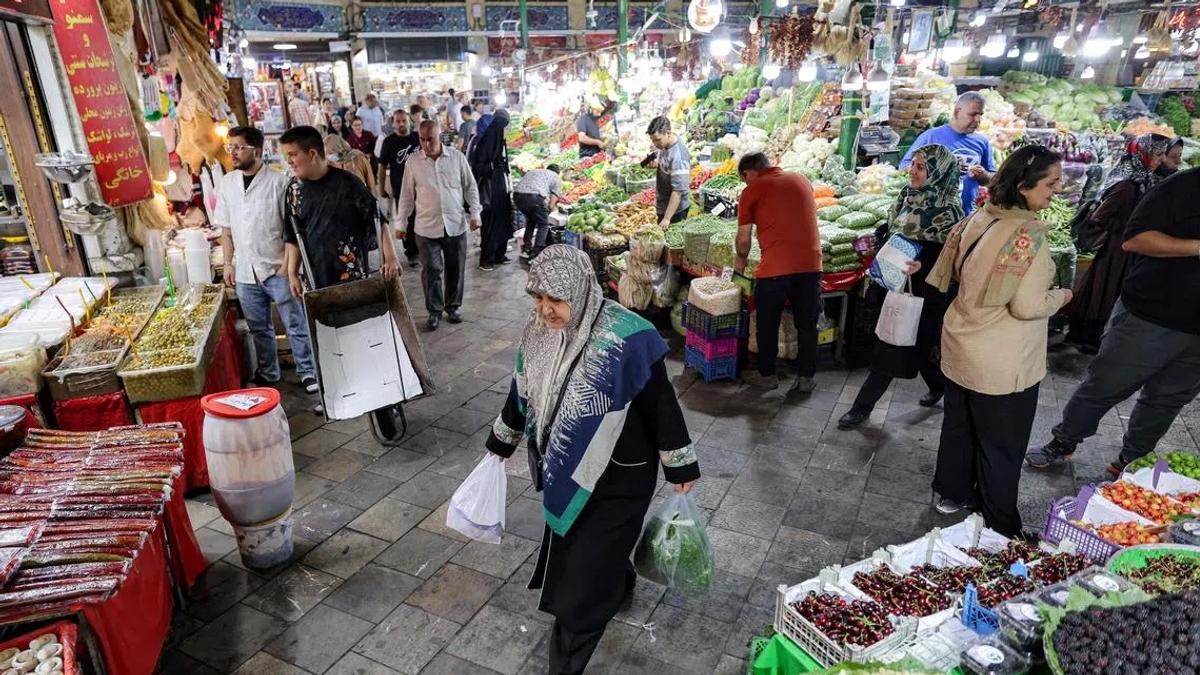
The war in Iran, sparked by the Israeli-US attack in late February, has had a profound impact on the country and its people. The devastating strikes and subsequent ceasefire have left a trail of destruction, with a reported death toll of 1,700 civilians and vast economic losses. The war has also led to a surge in nationalism among Iranians, with many feeling a sense of desperation and hopelessness.
The war in Iran is a complex and multifaceted conflict, driven by a range of actors with competing interests. The Israeli-US alliance has been instrumental in shaping the conflict, with the US providing military support and Israel launching the initial strikes. However, the war has also been fueled by internal Iranian dynamics, with the regime's opponents hoping to bring about regime change.
The war in Iran is driven by a range of strategic motivations, including the desire to weaken the Iranian regime, gain control over the country's oil resources, and prevent the development of nuclear capabilities. The US and Israel have long been concerned about Iran's nuclear program, and the war has provided an opportunity to disrupt and dismantle it.
The war in Iran began in late February, with the Israeli-US attack sparking a devastating conflict. The ceasefire has provided some relief from the fighting, but the situation remains precarious, with the threat of Israeli retaliation and ongoing economic instability.
The war in Iran is taking place across the country, with strikes and bombings reported in major cities such as Tehran, Isfahan, Ahvaz, and Mashhad. The conflict has also had a significant impact on the country's economy, with the crippling of critical industries and the effective closure of the Strait of Hormuz.
The war in Iran matters for a range of reasons, including its impact on regional stability, global energy markets, and the lives of millions of people. The conflict has also highlighted the complexities and challenges of modern warfare, with the use of advanced military technology and the blurring of lines between military and civilian targets.
The war in Iran will have a profound impact on the country and the region, with far-reaching consequences for regional stability, global energy markets, and the lives of millions of people. The conflict has also highlighted the need for a more nuanced and multifaceted approach to conflict resolution, one that takes into account the complex interests and motivations of all parties involved.
The war in Iran is a complex and multifaceted conflict, driven by a range of actors with competing interests. The devastating strikes and subsequent ceasefire have left a trail of destruction, with a reported death toll of 1,700 civilians and vast economic losses. The war has also led to a surge in nationalism among Iranians, with many feeling a sense of desperation and hopelessness. As the conflict continues to unfold, it is essential to understand the strategic motivations behind the war, the current developments, and the potential consequences for the country and the region.
Editor's Note: The analysis is based on publicly available information and may not reflect the full complexity of the conflict.
Source referenced: STRAITSTIMES
This brief was synthesized by our Editorial Engine and reviewed by The Ground Narrative team.


