TRENDING

Sunday, 25 October 2026
----------------------
14 Jumada Al-Awwal 1448 AH
A brief pause in US airstrikes on Iran, India's efforts to overhaul its exam system, and other significant global developments are analyzed in this geopolitical brief.
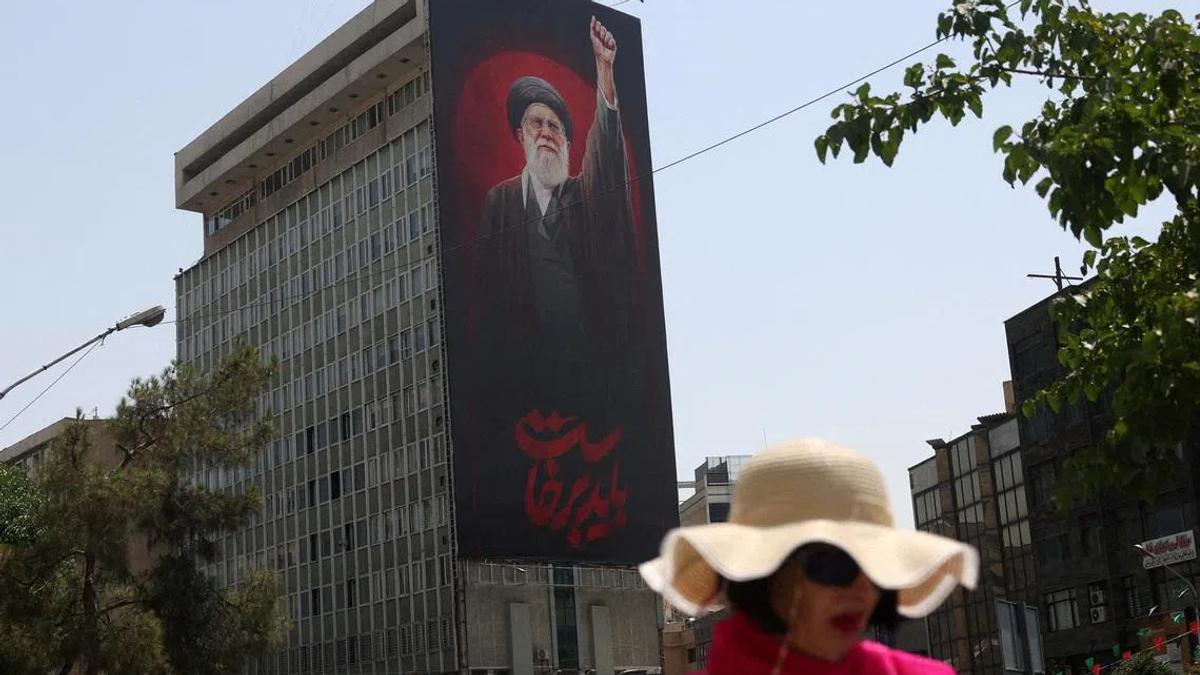
The recent escalation in tensions between the United States and Iran appears to have subsided, at least temporarily. Following 13 nights of intensified US airstrikes on Iran, the Pentagon abruptly suspended its bombing campaign on July 24. Iran, which had been retaliating with its own strikes on neighboring countries hosting US bases, has also held fire for two days.
This development is significant because it suggests that both parties are seeking to de-escalate the situation. The US, reportedly running out of targets and concerned about depleting its arsenal, may be attempting to buy time to reassess its strategy. Iran, on the other hand, may be seeking to avoid further economic sanctions and potential military action.
The pause in airstrikes is a welcome development, but it is essential to note that the underlying issues driving the conflict remain unresolved. The US and Iran have fundamentally different views on issues such as nuclear proliferation, regional influence, and security arrangements. A lasting resolution will require a more comprehensive and sustained effort from both parties.
In a separate development, Indian Prime Minister Narendra Modi has announced the creation of a task force to overhaul the country's examination system. The move comes in response to days of youth protests over exam paper leaks. The new system aims to be more trustworthy, transparent, and technology-driven.
This development is significant because it highlights the growing concerns about the integrity of India's education system. The protests, which involved thousands of students, demonstrate the widespread discontent with the current system. By overhauling the exam system, Modi's government is attempting to address these concerns and restore public trust.
In another significant development, Israel has agreed to allow a multinational security force to enter Gaza as part of a proposed US ceasefire plan. The International Stabilization Force, comprising 200 members from friendly countries, will deploy in areas not under Israeli control.
This development is significant because it marks a significant shift in Israel's stance on Gaza. The country has long been wary of international involvement in the enclave, but the current situation appears to have prompted a change in approach. The deployment of an international force may help to stabilize the situation and reduce tensions between Israel and Hamas.
A 21-year-old man with a record of Islamist extremist activity was shot dead by police in Berlin after allegedly driving a minivan into people near the city's Pride celebrations. The attack, which killed one person and injured 29, is a stark reminder of the ongoing threat of terrorism in Europe.
This development is significant because it highlights the continued vulnerability of European cities to terrorist attacks. The fact that the attacker was known to authorities raises questions about the effectiveness of counter-terrorism measures.
Tadej Pogacar has won a record-equalling fifth Tour de France title, joining an elite group of cyclists who have achieved this feat. While this achievement is significant in the world of sports, it is not directly related to the geopolitical developments discussed in this brief.
The recent developments in Iran-US tensions, India's exam system overhaul, Israel's agreement to allow an international force into Gaza, and the Berlin Pride attack all have significant regional implications. The Iran-US conflict has the potential to destabilize the Middle East, while India's efforts to overhaul its exam system may have far-reaching consequences for the country's education sector. The deployment of an international force in Gaza may help to stabilize the situation, but it also raises questions about the long-term sustainability of such a presence. The Berlin Pride attack serves as a reminder of the ongoing threat of terrorism in Europe.
In conclusion, these global developments highlight the complex and interconnected nature of international relations. The Iran-US conflict, India's exam system overhaul, Israel's agreement to allow an international force into Gaza, and the Berlin Pride attack all demonstrate the need for sustained diplomatic efforts to address the underlying issues driving these conflicts. A deeper understanding of these developments is essential for policymakers and analysts seeking to navigate the complex geopolitical landscape of the 21st century.
Editor's Note: While the recent developments are significant, the underlying issues driving these conflicts remain unresolved.
Source referenced: STRAITSTIMES
This brief was synthesized by our Editorial Engine and reviewed by The Ground Narrative team.