TRENDING

Thursday, 22 October 2026
----------------------
11 Jumada Al-Awwal 1448 AH
After 13 consecutive nights of US attacks on Iran, the first night of no direct US bombing marks a temporary reprieve, but tensions remain high in the Strait of Hormuz and the status of talks remains ambiguous.
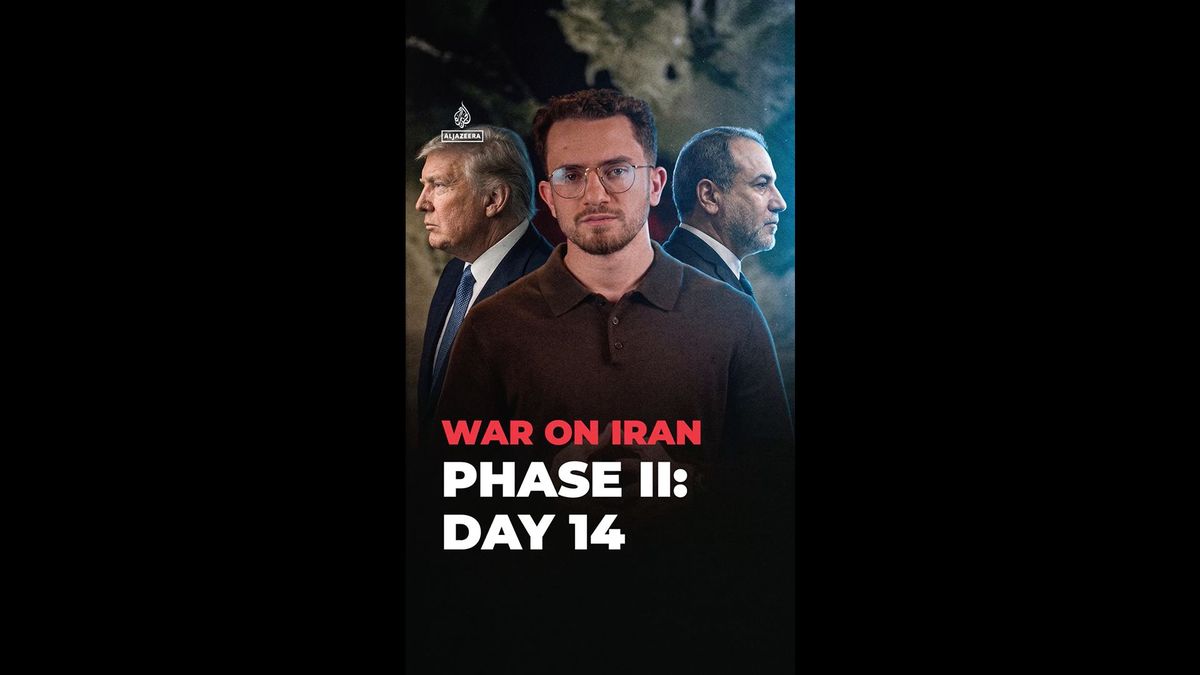
The past 14 days have witnessed a significant escalation in tensions between the United States and Iran, with the US launching 13 consecutive nights of attacks on Iranian targets. However, on the 14th night, a rare respite was observed, with no direct US bombing of Iran. This development has sparked a mix of relief and skepticism, as the underlying drivers of the conflict remain unchanged.
The current standoff between the US and Iran is rooted in a long-standing rivalry that dates back to the 1979 Iranian Revolution. The US, under the Trump administration, withdrew from the Joint Comprehensive Plan of Action (JCPOA) in 2018, reimposing economic sanctions on Iran. This move was met with fierce resistance from Iran, which has since sought to expand its regional influence through proxy forces and military interventions.
The US has been pursuing a policy of maximum pressure on Iran, aimed at curtailing its nuclear program and limiting its regional ambitions. The recent attacks on Iranian targets are part of this strategy, designed to degrade Iran's military capabilities and disrupt its supply chains. However, the effectiveness of this approach remains uncertain, as Iran has demonstrated a remarkable resilience in the face of US pressure.
The ongoing conflict has significant implications for regional stability, particularly in the Strait of Hormuz, a critical waterway that connects the Persian Gulf to the Gulf of Oman. The Strait is a vital artery for global energy trade, and any disruption to its flow could have far-reaching consequences for the global economy. The presence of US and Iranian military assets in the region has raised concerns about the risk of miscalculation and unintended escalation.
The temporary reprieve in US-Iran tensions may provide a window of opportunity for diplomatic engagement, but the underlying drivers of the conflict remain unchanged. The status of talks between the two sides remains ambiguous, and the risk of further escalation remains high. The international community must remain vigilant and engaged in efforts to de-escalate the conflict and promote a peaceful resolution.
The current standoff between the US and Iran is a complex and multifaceted issue, driven by a mix of historical, strategic, and regional factors. While the temporary reprieve in US-Iran tensions is welcome, the underlying drivers of the conflict remain unchanged. The international community must remain engaged and committed to promoting a peaceful resolution to this crisis, one that prioritizes regional stability and global security.
Source referenced: ALJAZEERA
This brief was synthesized by our Editorial Engine and reviewed by The Ground Narrative team.