TRENDING

Wednesday, 21 October 2026
----------------------
10 Jumada Al-Awwal 1448 AH
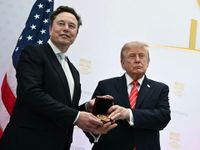
Russia is sending its first diesel tanker to the United States, a move attributed to a deal involving former President Donald Trump, despite ongoing geopolitical tensions and sanctions. This unexpected fuel exchange highlights the powerful intersection of domestic economic pressures and international power dynamics.
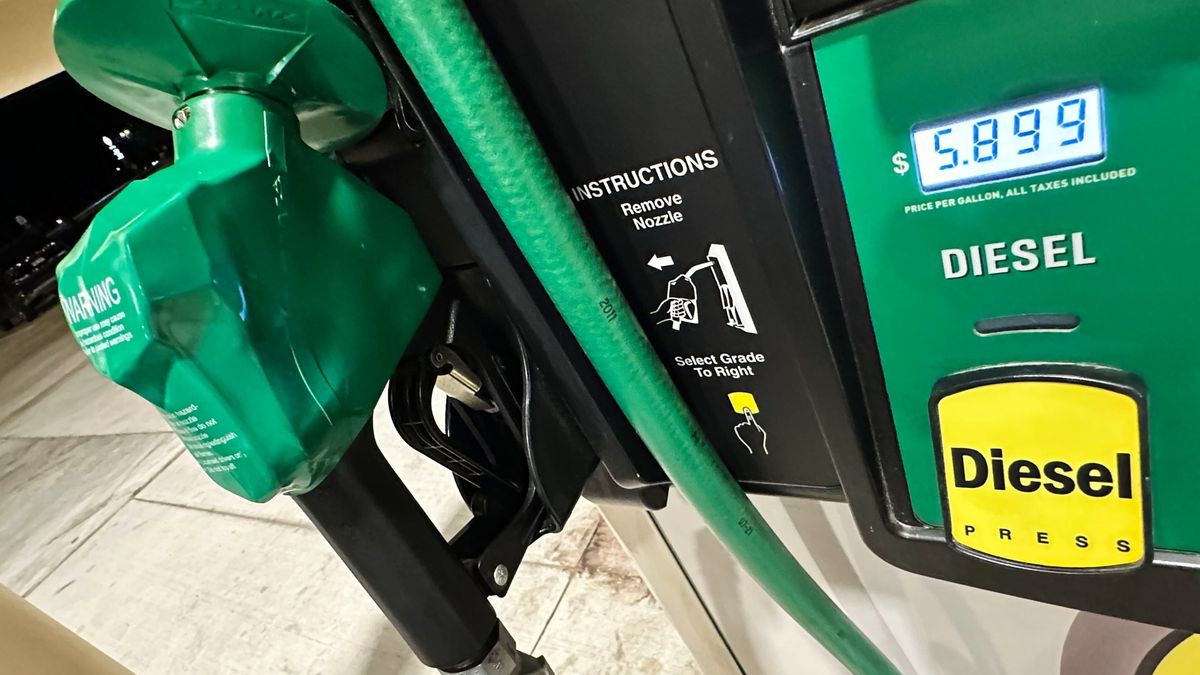
Russia has dispatched its inaugural diesel fuel tanker to the United States, a development confirmed by Russia's Deputy Prime Minister Alexander Novak. This shipment, carrying 40,000 tonnes of fuel, marks a significant reversal of previous energy isolation efforts and comes amidst a deal reportedly involving US President Donald Trump. The move follows Moscow's decision on October 9 to lift its ban on diesel exports, a ban initially imposed to address domestic shortages exacerbated by Ukrainian drone strikes on Russian refining capacity. The deal is set to include further shipments, with Russia also offering to supply large quantities of fertilizers to the US market, as American consumers continue to grapple with elevated diesel prices, particularly ahead of crucial midterm elections.
This unexpected fuel exchange is a stark illustration of how immediate economic pressures can override established geopolitical stances, revealing the complex, often transactional, nature of global power. For the United States, the driving force is undeniably domestic political and economic stability. High diesel prices, averaging over $6 a gallon, directly impact the cost of goods, transportation, and agricultural production across the country. With midterm elections rapidly approaching, the incumbent political establishment faces immense pressure to alleviate these costs for everyday Americans. Securing an additional, albeit politically fraught, supply of diesel becomes a pragmatic necessity, even if it means engaging with a nation under extensive sanctions.
From Russia's perspective, this deal is a multifaceted victory. Economically, it provides a crucial revenue stream at a time when Moscow is navigating Western sanctions and the costs of its military campaign in Ukraine. The ability to sell energy to a major Western economy, particularly the US, demonstrates Russia's resilience and its capacity to circumvent or at least mitigate the intended impact of sanctions. Geopolitically, it offers significant leverage. By positioning itself as a solution to America's energy woes, Russia subtly undermines the narrative of its isolation and potentially creates divisions within the Western alliance. It forces the US into a position of needing Russian resources, even while simultaneously funding Ukraine's defense against Russian aggression. This transactional approach to international relations, where immediate needs dictate partnerships, is a hallmark of Russia's foreign policy doctrine.
For Ukraine, the deal represents a complicated challenge. While Ukrainian drone strikes had successfully targeted Russian refining capacity, the fact that Russia can still export diesel to the US suggests either a rapid recovery of infrastructure, a diversion of fuel from other markets, or that the impact of the strikes was not as debilitating as initially hoped. More critically, the deal could be perceived as a crack in the united front of Western support, potentially signaling a weakening of resolve or a prioritization of domestic economic concerns over the sustained pressure on Moscow.
While high-level deals are struck in distant capitals, the consequences ripple down to ordinary citizens, often in ways that are overlooked in official statements.
For American families and businesses, the most immediate impact is financial. Diesel is the lifeblood of the US economy, powering everything from long-haul trucks that deliver goods to farms that produce food, and construction equipment that builds infrastructure. When diesel prices climb, the cost of nearly every product and service increases, fueling inflation and eroding purchasing power. This means higher grocery bills, more expensive deliveries, and increased operational costs for small businesses, squeezing household budgets and limiting economic growth. The pressure to secure fuel, even from an adversarial nation, underscores the direct link between global energy markets and the daily struggles of American citizens.
For the people of Ukraine, this deal carries a profound psychological cost. Having endured relentless conflict and relying heavily on Western support, the sight of their primary benefactor importing fuel from the aggressor nation can be deeply unsettling. It risks fostering a sense of abandonment or betrayal, potentially undermining morale and trust in the international coalition. While the US continues to provide military and financial aid, the optics of this fuel transaction could complicate Kyiv's efforts to maintain public and international solidarity, suggesting that economic pragmatism might, at times, overshadow geopolitical principles.
Even in Russia, the human cost is present, albeit less visible in this specific transaction. The initial ban on diesel exports was a direct response to domestic shortages, indicating that ordinary Russian citizens and industries were already feeling the pinch of disrupted production and sanctions. While exporting fuel to the US brings in much-needed revenue for the state, it raises questions about whether this comes at the expense of domestic supply, potentially prolonging or exacerbating internal shortages for the Russian populace. This constant balancing act between national revenue and citizen welfare is a silent burden of the ongoing conflict and sanctions regime.
Beneath the surface of official announcements, several critical narratives are either being downplayed, reframed, or entirely omitted by powerful actors, offering a more nuanced understanding of the situation.
Perhaps the most significant untold story is the implicit questioning of the efficacy of the extensive sanctions regime against Russia. The entire premise of these sanctions was to isolate Moscow economically and militarily, crippling its ability to fund its war machine. Yet, a deal enabling Russia to sell a critical energy commodity directly to the United States suggests either a significant loophole, a calculated exception, or a fundamental weakness in the enforcement mechanism. Governments are likely downplaying the extent to which such transactions undermine the collective effort to pressure Russia, preferring to focus on the immediate benefit of stabilizing fuel prices. This deal could set a dangerous precedent, encouraging other sanctioned entities to seek similar transactional arrangements.
Russia is sending diesel to the US primarily due to a deal attributed to former President Donald Trump, aiming to address high diesel prices in the US. For Russia, it provides crucial revenue amidst sanctions and demonstrates its economic resilience.
High diesel prices directly increase the cost of transportation, goods, and agricultural products, contributing to inflation and reducing the purchasing power of American consumers. This impacts household budgets and the overall economy.
The deal raises questions about the effectiveness of sanctions against Russia and could be perceived as a weakening of Western unity. It also highlights Russia's ability to leverage economic necessities to gain political influence and potentially drive wedges within alliances.
Editor's Note: The attribution of the deal to 'Trump' is a key political detail from the source material, indicating its significance in shaping the narrative and potential future US foreign policy.
Source referenced: ALJAZEERA
This brief was synthesized by our Editorial Engine and reviewed by The Ground Narrative team.