TRENDING

Thursday, 12 November 2026
----------------------
2 Jumada Al-Thani 1448 AH
Iran's chief negotiator has declared the 'ball is in the US court' for resuming stalled peace talks, demanding the US acknowledge limits to its regional legal rights. This statement underscores a deep impasse, where ordinary citizens bear the heaviest burden of a protracted geopolitical standoff.
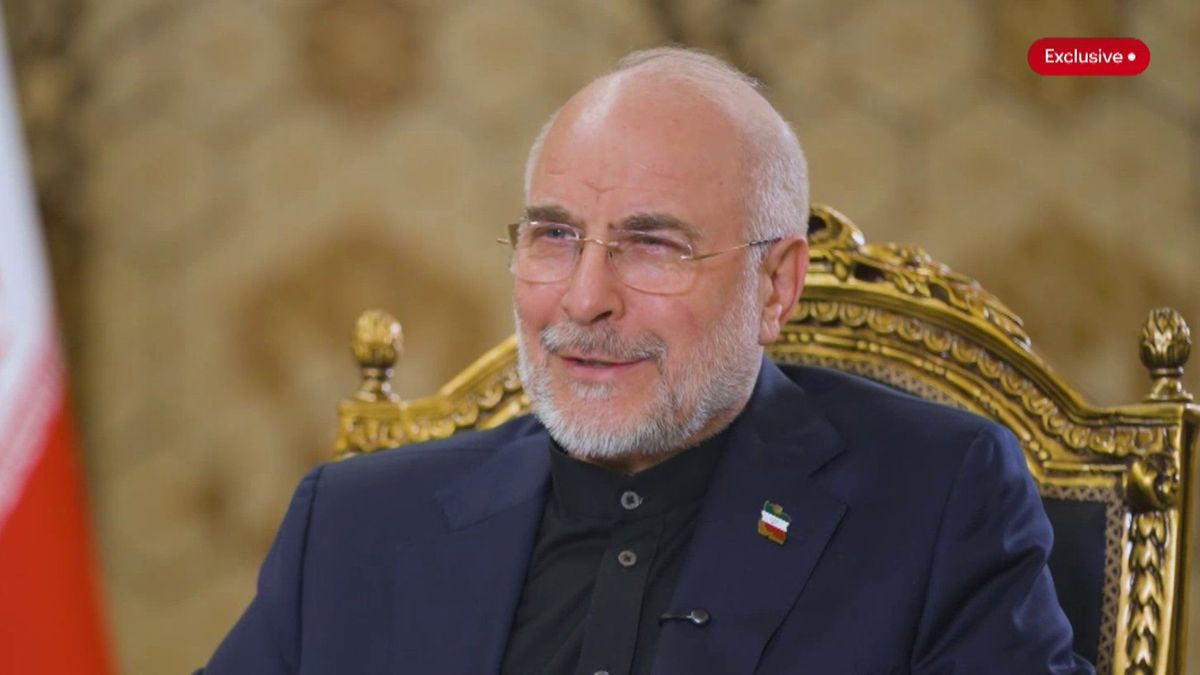
Iran's chief negotiator, Mohammad Bagher Ghalibaf, recently informed Al Jazeera that the responsibility for advancing peace talks now rests squarely with the United States. In his remarks, Ghalibaf asserted that the US must come to terms with the boundaries of its own perceived legal rights within the wider region and adjust its posture accordingly. This declaration signals a continued stalemate in high-stakes negotiations, likely centered on the future of Iran's nuclear program and the broader regional power balance.
This seemingly simple statement from Iran's negotiator, placing the onus on the United States, is a carefully calibrated move within a decades-long, high-stakes geopolitical chess match. It's not merely about resuming talks; it's about redefining the terms of engagement and the very structure of power in the Middle East. At its core, the standoff between the US and Iran is a struggle for regional hegemony, deeply rooted in historical grievances, ideological differences, and competing visions for the future of the Gulf.
Iran's leverage in these negotiations is multifaceted. Its advancing nuclear program, though consistently framed as peaceful by Tehran, serves as a potent bargaining chip, raising concerns about proliferation that compel international attention. Beyond this, Iran has cultivated a sophisticated network of regional proxies, including Hezbollah in Lebanon, the Houthis in Yemen, and various militias across Iraq and Syria. This 'axis of resistance' allows Iran to project influence and exert pressure across the region, complicating US strategic calculations and providing a deterrent against direct military confrontation. Furthermore, Iran's strategic geographic location, controlling a significant portion of the Strait of Hormuz, a vital global oil transit choke point, gives it considerable economic leverage.
The United States, conversely, wields immense economic and military power. Its primary tool of coercion has been a stringent sanctions regime, particularly targeting Iran's oil exports and financial sector, designed to cripple its economy and force concessions. The US also maintains a significant military presence in the Gulf, bolstering its regional allies like Saudi Arabia and Israel, who share deep-seated concerns about Iran's ambitions. These alliances form a crucial part of the US containment strategy, creating a complex web of security guarantees and mutual interests that influence Washington's negotiating position.
The context of the Joint Comprehensive Plan of Action (JCPOA), the 2015 nuclear deal, is paramount. The US withdrawal from the deal under the Trump administration and the subsequent
Talks are stalled primarily because Iran demands comprehensive sanctions relief before making nuclear concessions, while the US insists on verifiable nuclear rollback first. Iran also challenges the legitimacy of the US's regional military presence and influence.
Mohammad Bagher Ghalibaf is Iran's chief negotiator and the current Speaker of the Parliament. He represents Iran's official position in diplomatic engagements, often reflecting the hardline stance of the current government.
Sanctions severely impact ordinary Iranians by causing high inflation, currency devaluation, and shortages of essential goods, including medicines. This leads to economic hardship, unemployment, and reduced access to vital services.
Source referenced: ALJAZEERA
This brief was synthesized by our Editorial Engine and reviewed by The Ground Narrative team.


