TRENDING

Sunday, 20 September 2026
----------------------
9 Rabi' Al-Thani 1448 AH
Iran’s security chief has listed five non‑negotiable demands to end the war with the United States, shifting the diplomatic battlefield to public view via Qatar. The stakes involve frozen assets, naval blockades, and regional power balances, while ordinary citizens bear the brunt of rising oil prices and security alerts.
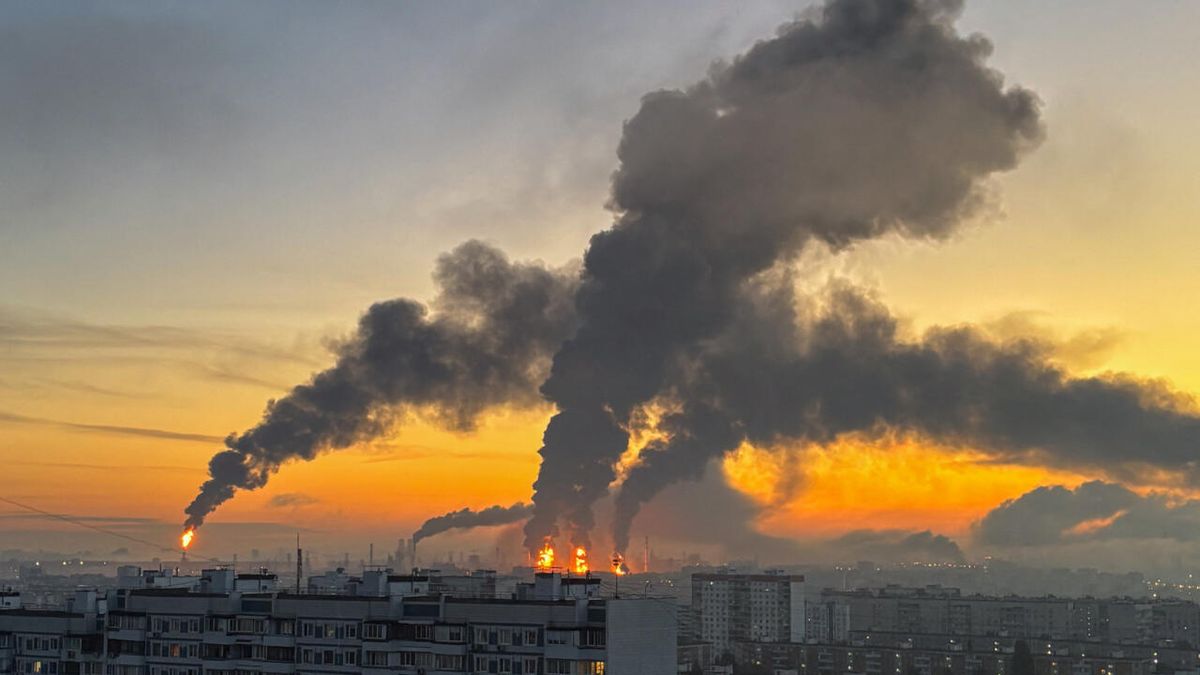
Iran’s security chief Mohsen Rezaei told Al Jazeera that Tehran has delivered a fresh set of conditions to Washington via Qatari mediators. The demands—lifting the naval blockade, releasing billions of frozen dollars, ending U.S. interference, halting attacks on Iranian territory, and ending the war on all fronts, including Lebanon—are framed as a pre‑condition for any peace talks. While the 60‑day MoU that expired in June covered similar ground, the timing and public channel signal a strategic shift.
Both sides are playing a high‑stakes game of leverage. For Iran, the blockade of the Strait of Hormuz chokes a vital revenue stream and threatens its oil export capacity; unlocking it requires the U.S. to concede on sanctions that have crippled the economy. The frozen funds, estimated in the tens of billions, are a financial lifeline that could fund Iran’s military modernization and domestic subsidies. Conversely, the United States retains air superiority and can sustain a naval presence, but faces domestic pressure as oil prices breach $100 a barrel, inflaming public opinion ahead of the November midterms. The public delivery via Qatar puts Washington on the spot, forcing it to respond not just to Tehran but to a global audience watching the energy markets wobble.
The human toll is already visible. Iranian fishermen and port workers face reduced income as the Hormuz closure disrupts shipping lanes, while families in coastal towns endure heightened military activity and the threat of retaliatory strikes. In the Gulf, Saudi and Emirati labor migrants—many from South Asia—see their wages erode as oil‑related jobs shrink. Global consumers feel the pinch through higher gasoline prices, squeezing household budgets worldwide. Meanwhile, U.S. service members stationed across the region operate under heightened alert, increasing the risk of accidental engagements that could claim civilian lives.
Both governments are downplaying the broader regional ripple effects. Tehran’s claim that it will not intervene in Yemen sidesteps its historical support for the Houthis, a factor that has already complicated Red Sea shipping and contributed to the oil price surge. The U.S. narrative of “heightened vigilance” masks the strategic calculus of keeping the blockade as a bargaining chip, even as it risks alienating Gulf allies who depend on unhindered oil flow. Neither side openly acknowledges the domestic political calculus: Iran’s leadership is betting on war fatigue to rally nationalist sentiment, while the Trump administration is courting a peace narrative to soften the midterm electoral backlash.
Watch for any movement on a trilateral arrangement involving Oman, which could serve as a proxy for de‑escalation in Hormuz. Equally critical will be the U.S. response to the public demands—whether it issues a formal counter‑proposal or simply ramps up naval patrols. Domestic political developments, such as the outcome of the U.S. midterms and Iran’s parliamentary debates on the frozen assets, will shape the bargaining power of each side. Finally, monitor oil market reactions; a sustained price spike could pressure both capitals toward a compromise, while a sudden drop might embolden the United States to maintain the status quo.
Source referenced: FRANCE24
This brief was synthesized by our Editorial Engine and reviewed by The Ground Narrative team.


