TRENDING

Monday, 5 October 2026
----------------------
24 Rabi' Al-Thani 1448 AH
Iran's regime is intensifying its campaign of transnational repression against dissidents across Europe, employing a range of hybrid tactics from cyber-attacks to alleged assassination attempts. This aggressive posture challenges European sovereignty and raises significant concerns about human rights and international security.
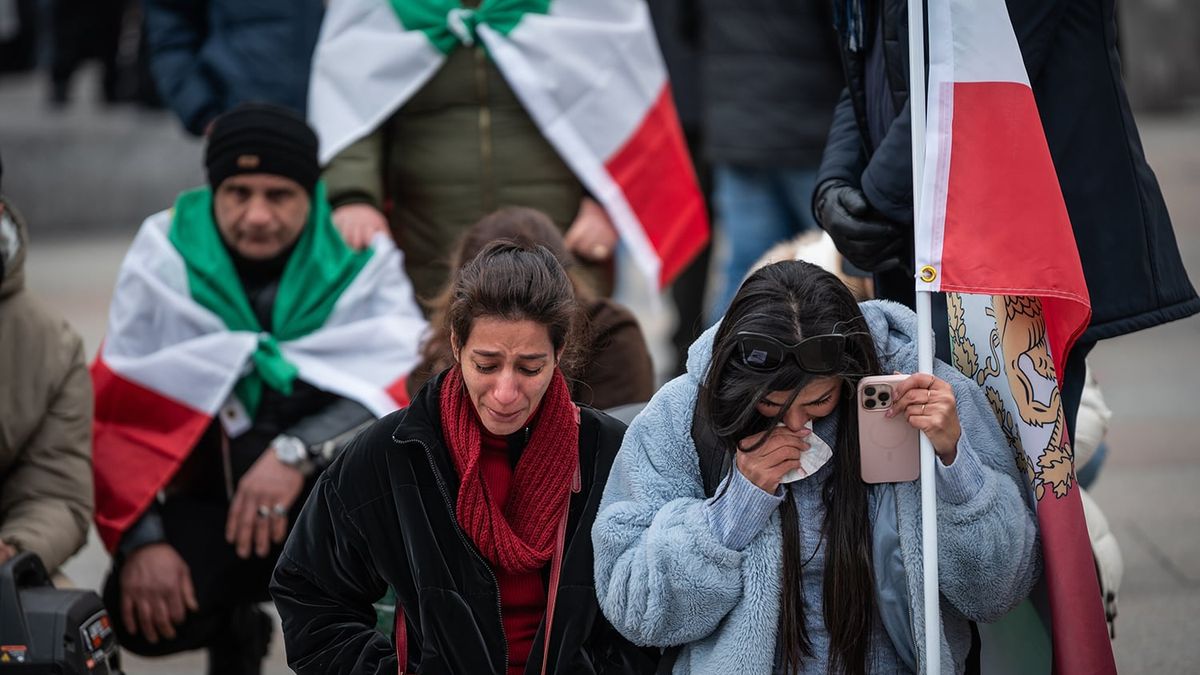
In an increasingly complex geopolitical landscape, the Iranian regime has significantly escalated its campaign of transnational repression against its dissidents residing in Europe. This concerted effort, which includes threats, harassment, cyber-surveillance, and alleged physical violence, represents a direct challenge to the sovereignty of European nations and the fundamental rights of individuals seeking refuge or expressing dissent abroad. The intensification of these tactics, particularly in recent years, underscores Tehran's determination to silence critical voices and maintain control over its diaspora, even beyond its borders.
The scope and methods of Iran's transnational repression are multifaceted, reflecting a sophisticated approach to hybrid warfare. As detailed by individuals like Soran Mansournia, an Iranian lecturer and activist in the Netherlands, the tactics range from direct phone threats and online harassment to the coercion of family members still in Iran. Mansournia, whose brother was killed during anti-government protests in 2019, has faced a relentless wave of intimidation since continuing his activism from abroad. This includes surveillance, phishing attempts targeting his colleagues, and the public dissemination of his contact details by the Iranian government, labeling him a "traitor."
Beyond individual harassment, more severe incidents have been reported. Dutch intelligence agencies have found "strong indications" of Iranian orchestration in the assassinations of two Iranian dissidents in the Netherlands in 2015 and 2017. More recently, in March, a vocal critic of the regime was shot and seriously injured in the Dutch city of Schoonhoven, with Dutch authorities unable to rule out Iranian involvement. These incidents highlight a disturbing pattern of extending domestic security operations onto foreign soil, often relying on proxies or criminal groups to maintain deniability, as noted by EU counterterrorism coordinator Bartjan Wegter.
Another pervasive tactic is coercion by proxy, where the regime targets dissidents' families in Iran through threats, detention, or violence. This psychological pressure aims to force exiles into silence, as experienced by Ali, a 57-year-old Iranian journalist based in France, whose relatives in Iran have received threats, forcing his wife to leave home temporarily. Such actions exploit deep familial bonds, creating an agonizing dilemma for activists abroad.
The motivations behind Iran's escalating transnational repression are deeply rooted in its strategic imperatives for regime stability and control. The crackdown on domestic protests, such as those in November 2019 over fuel price increases and the widespread "Woman, Life, Freedom" movement in 2022, demonstrated the regime's brutal resolve to suppress internal dissent. Extending this suppression abroad serves several key purposes: preventing the formation of organized opposition in exile, discrediting alternative narratives, and deterring the diaspora from supporting internal movements. The Islamic Revolutionary Guard Corps (IRGC), an elite military organization directly accountable to Iran's supreme leader, is central to these efforts, having been implicated in both domestic crackdowns and transnational operations.
This intensification of repression is also linked to broader regional tensions. The article notes that as conflict among Iran, Israel, and the United States escalated in the last year, so did Iranian transnational repression in Europe. This suggests that the regime perceives external pressures and regional instability as reasons to tighten its grip on all forms of dissent, viewing a unified and vocal diaspora as a potential vulnerability.
Despite the clear and present danger, many Iranian dissidents in Europe express a growing fear that their host governments are not taking these threats seriously enough. While the European Union officially proscribed the IRGC as a terrorist organization on February 19, providing a "toolbox of sanctions" including asset freezes and travel limitations, the effectiveness of these measures in deterring Iran's hybrid tactics remains a critical concern. Dissidents like Mansournia, who has been under Dutch police surveillance, feel that the protective measures offered are often insufficient or come with conditions that compromise their activism.
This situation presents a significant dilemma for European governments. They must balance diplomatic relations and broader geopolitical interests with their responsibility to protect residents within their borders and uphold international human rights norms. Iran's actions challenge the very notion of national sovereignty, as foreign intelligence services operate with impunity on European soil. The perceived inadequacy of the response risks emboldening Tehran and undermining the rule of law in host countries.
The ongoing "war" against dissidents abroad is a critical geopolitical development, highlighting the evolving nature of state-sponsored threats in an interconnected world. For European nations, a more robust and coordinated response is imperative. This includes enhanced intelligence sharing, more proactive protective measures for dissidents, stricter enforcement of sanctions against IRGC-linked entities, and a unified diplomatic stance condemning Iran's transnational repression. Protecting these voices is not merely a matter of human rights; it is a defense of democratic values and national sovereignty against an increasingly assertive and unconventional adversary.
Source referenced: FOREIGNPOLICY
This brief was synthesized by our Editorial Engine and reviewed by The Ground Narrative team.


