TRENDING

Tuesday, 6 October 2026
----------------------
25 Rabi' Al-Thani 1448 AH
Ukraine has signed new defense agreements with Denmark, Estonia, and the Netherlands, leveraging its battlefield-tested drone expertise to strengthen its defense capabilities and foster joint production. These deals, inked during a NATO summit, underscore Ukraine's strategic shift towards integrating its wartime innovations with Western security frameworks.
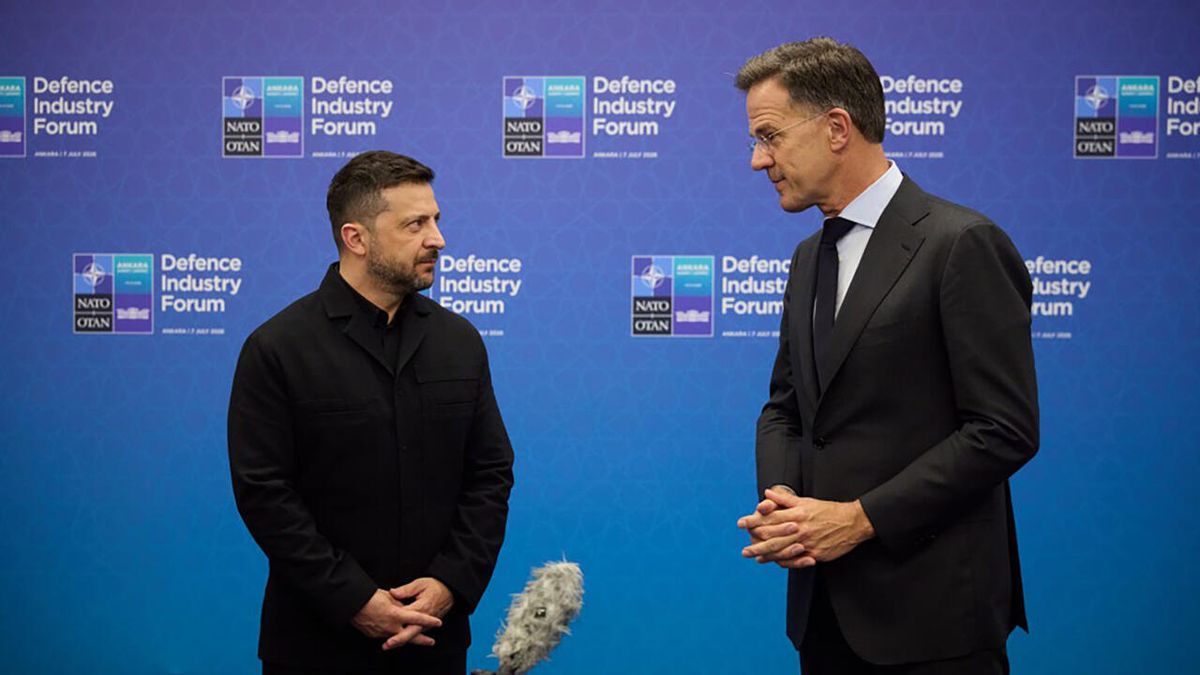
Ukrainian President Volodymyr Zelensky recently announced the signing of three new defense agreements with Denmark, Estonia, and the Netherlands, focusing on the exchange of battlefield-tested drone expertise and fostering joint defense production. These accords, inked on Tuesday, July 8, 2026, on the sidelines of a NATO summit in Ankara, Turkey, bring Ukraine's total number of such "drone deals" to nine. The initiative underscores Kyiv's strategic pivot towards leveraging its wartime innovations to strengthen its defense capabilities and deepen integration with Western security frameworks amidst ongoing Russian aggression.
These agreements emerge from a critical juncture in the protracted conflict between Ukraine and Russia, now in its fifth year. Since Russia's full-scale invasion in February 2022, Ukraine has rapidly developed a sophisticated domestic drone industry, transforming from a nation with limited expertise in the sector to a significant innovator. This evolution was born out of necessity, as drones became indispensable tools for reconnaissance, targeting, and direct combat operations against a larger, better-equipped adversary. The recent signing of these deals directly responds to Ukraine's urgent need to bolster its air defenses, particularly following deadly Russian missile attacks on Kyiv in the preceding week, which claimed nineteen lives. President Zelensky explicitly stated that securing more air defense and strengthening diplomatic positions were primary objectives at the NATO gathering.
For Ukraine, these agreements represent a multi-faceted strategic imperative. Firstly, they are a pragmatic response to immediate security threats. By sharing its hard-won drone expertise, Ukraine aims to enhance its partners' capabilities while simultaneously gaining access to advanced defense technologies and production capacities that can directly counter Russian aggression. The emphasis on "joint defense production" signifies a shift from a purely recipient role to one of a contributing partner, fostering a more sustainable and integrated defense industrial base. This approach not only helps to meet Ukraine's immediate defense needs but also positions it as a valuable contributor to European security, reinforcing its long-term aspirations for closer ties with NATO.
For Denmark, Estonia, and the Netherlands, the motivations are equally compelling. Access to Ukraine's "war-tested" drone technology and operational insights offers invaluable lessons for modern warfare. These NATO allies, particularly Estonia with its direct border with Russia, recognize the evolving nature of conflict and the critical role of unmanned systems. Engaging in joint production with Ukraine provides an opportunity to integrate combat-proven innovations into their own defense arsenals, potentially accelerating their technological development and enhancing interoperability within the broader NATO framework. As President Zelensky noted regarding the Danish agreement, it "opens up greater opportunities for joint defence production, the exchange of expertise, and transparency in weapons exports," highlighting the reciprocal benefits. Denmark, being the first country to offer joint production in Ukraine, exemplifies this forward-looking approach.
The signing of these drone deals carries significant geopolitical implications. They symbolize a deepening of bilateral defense cooperation between Ukraine and key NATO members, even as Ukraine's full membership in the alliance remains a complex issue. These agreements serve as a practical pathway for Ukraine to integrate further into Western security architecture, fostering interoperability and shared defense standards without the formal commitments of Article 5. This pragmatic integration strengthens the collective security posture of Europe against potential future Russian expansionism.
Furthermore, these deals underscore the growing importance of technological innovation and asymmetric warfare in contemporary geopolitics. Ukraine's ability to rapidly develop and deploy advanced drone systems, often with commercial components, has reshaped battlefield dynamics. By sharing this expertise, Ukraine is not only enhancing its own resilience but also contributing to a broader understanding and adaptation of drone warfare among its allies. This collaborative approach to defense innovation could set a precedent for future security partnerships, where battlefield experience and technological agility are highly valued assets.
In the long term, these agreements could lay the groundwork for a more robust and integrated European defense industrial base, less reliant on external suppliers and more responsive to emerging threats. They also reinforce Ukraine's diplomatic position, demonstrating its value as a strategic partner and an innovator in defense technology, rather than solely a recipient of aid. As Ukraine continues to push for stronger air defense and diplomatic support, these drone deals represent a tangible step towards securing its future and contributing to the stability of the broader Euro-Atlantic region.
Source referenced: FRANCE24
This brief was synthesized by our Editorial Engine and reviewed by The Ground Narrative team.