TRENDING

Sunday, 18 October 2026
----------------------
7 Jumada Al-Awwal 1448 AH
Widespread power blackouts across Iran, exacerbated by a severe heatwave and recent US military strikes on infrastructure, are crippling daily life and the national economy. The crisis underscores Iran's strategic vulnerabilities and the profound civilian cost of ongoing regional conflicts.
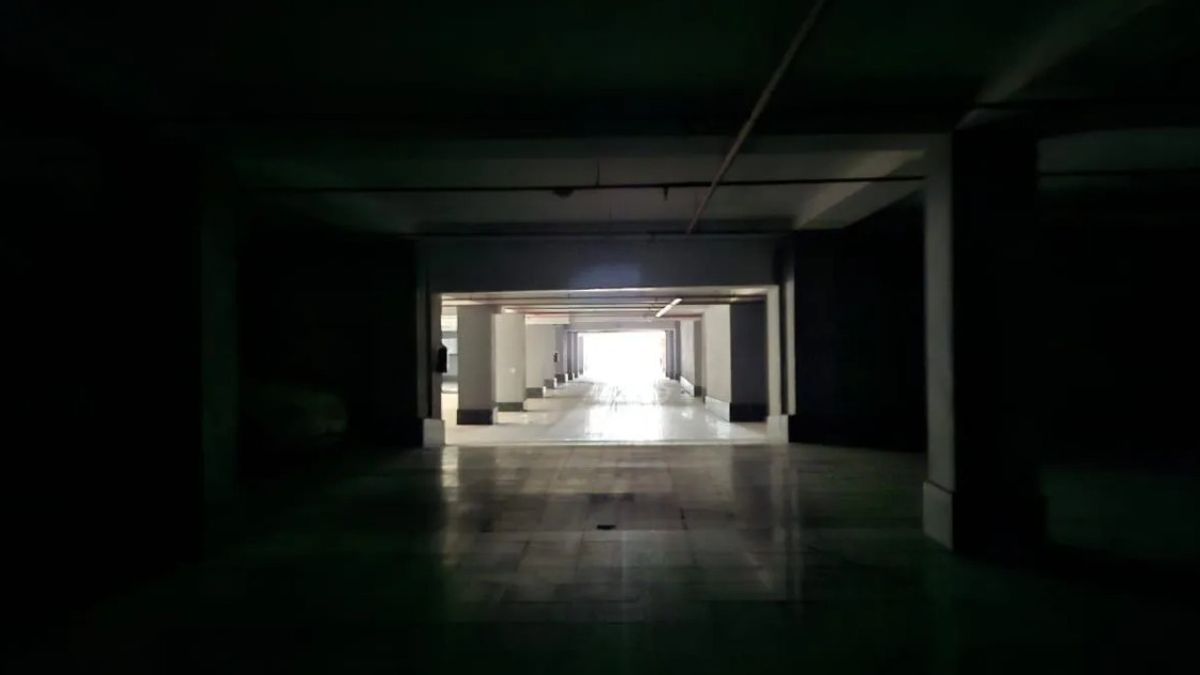
Iran is currently grappling with widespread, daily power blackouts that have plunged civilian infrastructure into darkness across the nation. This escalating energy crisis, unfolding since February 2026, is a direct consequence of a severe heatwave and renewed US military strikes on critical electrical facilities in southern Iran. The disruptions are not merely an inconvenience but a profound challenge to daily life, economic stability, and potentially, the internal cohesion of the Islamic Republic, exposing deep-seated systemic vulnerabilities.
The blackouts have had an immediate and devastating impact on the Iranian populace. Students, like Kamran and Moein from Sharif University of Technology, have seen final exams postponed due to server outages, disrupting academic life. Small business owners are struggling to save perishable goods, resorting to noisy portable generators on city sidewalks. Beyond economic losses, the crisis poses a grave public health risk, with concerns raised for patients reliant on home medical equipment and those storing vital medicines. While hospitals have largely maintained operations through backup systems, surrounding neighborhoods often remain without power, highlighting a stark disparity in resilience.
Official statements confirm the severity of the damage. Tehran City Council Chairman Mehdi Chamran attributed the sudden, unannounced blackouts to recent bombings, stating, "If you knew how many electrical facilities were bombed two days ago, you wouldn't ask this question." Mohammad Allahdad, CEO of the national electricity company, corroborated this, reporting a staggering 4,200-megawatt drop in grid capacity and damage to over 2,000 points across the network. Local media specifically cited US strikes on a power plant on Kish Island and severe damage to distribution networks in Bandar Abbas, Jask, and Chabahar as key contributors to the current crisis, compounding technical failures driven by the extreme heat.
Adding a layer of complexity to the crisis is a bitter paradox in Iran's energy consumption, as highlighted by Bahman Arman, an economics professor at Tehran University. During what is known in Iran as the Ramadan War, joint US-Israeli air strikes targeted major industrial consumers like Mobarakeh Steel Company and Khouzestan Steel. These facilities, consuming approximately 1,400 megawatts and 600 megawatts respectively, theoretically should have freed up 2,000 megawatts for the national grid by going offline. However, the Mahshahr petrochemical complex, which previously generated a surplus for the national grid, was also bombed. This critical facility has now shifted from being a power supplier to a consumer, drawing power from the already strained grid and exacerbating the deficit. This intricate interplay of targeted strikes on both consumers and producers has created a net negative impact on the national energy balance.
While the war and heatwave are immediate triggers, experts like Arman emphasize that these events merely represent "the straw that broke the camel's back." The fundamental cause of Iran's severe energy deficit is chronic underinvestment in its power infrastructure. The national grid suffers from a massive rate of energy loss, ageing transmission lines, and a failure to construct new power plants to meet growing demand. Despite heavy rains boosting hydroelectric output in the current year, the underlying structural decay has left the system vulnerable to any significant shock, whether from extreme weather or military action. This long-standing neglect has created a fragile energy network unable to cope with contemporary challenges, a situation likely compounded by years of international sanctions limiting access to foreign capital and advanced technology for upgrades.
The repercussions of the blackouts extend deeply into Iran's economy and society. Hossein Selahvarzi, former head of the Iran Chamber of Commerce, Industries, Mines and Agriculture, warned that industrial zones are enduring daily blackouts of four to six hours. Such restrictions severely slash production, drive up operational costs, delay orders, and cripple non-oil exports – a vital engine for Iran's economy, especially under sanctions. The combined pressure of infrastructural damage from the war and persistent power restrictions places immense strain on businesses attempting to recover from wartime losses. Looking ahead, the prospect of recurring winter gas shortages, an annual threat, paints a bleak picture for the coming months.
Socially, the crisis fuels public discontent. Promises of a summer without disruptions, made by President Masoud Pezeshkian and Energy Minister Abbas Aliabadi just before the war, have evaporated, eroding public trust. The daily struggle for basic necessities amidst a severe heatwave, coupled with the visible destruction from conflict, creates a fertile ground for frustration and potential unrest, challenging the government's legitimacy and capacity to deliver essential services.
From a geopolitical perspective, Iran's energy crisis highlights its strategic vulnerabilities. The direct targeting of civilian infrastructure by US forces, even if framed within a broader conflict, demonstrates a capacity to inflict significant economic and social pain beyond traditional military engagements. This strategy aims to pressure the Iranian government by impacting its domestic stability and economic resilience. For Iran, the challenge is multifaceted: not only must it contend with ongoing external military pressure, but it must also address decades of internal neglect in its critical infrastructure. Short-term fixes, such as upgrading existing plants, are urgent, but long-term megaprojects, like the proposed Bakhtiari Dam, require substantial foreign currency injections and years to complete – luxuries Iran may not possess amidst conflict and economic strain. The question echoing across Iran's darkened streets is how long the population can endure a crisis where the ravages of war meet decaying infrastructure, with no immediate solutions in sight, further complicating Iran's regional and international standing.
Source referenced: ALJAZEERA
This brief was synthesized by our Editorial Engine and reviewed by The Ground Narrative team.