TRENDING

Sunday, 25 October 2026
----------------------
14 Jumada Al-Awwal 1448 AH
Iran's oil ministry reported selling $23.2 billion worth of oil during the war and ceasefire with the US, covering over 60% of the oil revenue forecast in Iran's yearly budget.
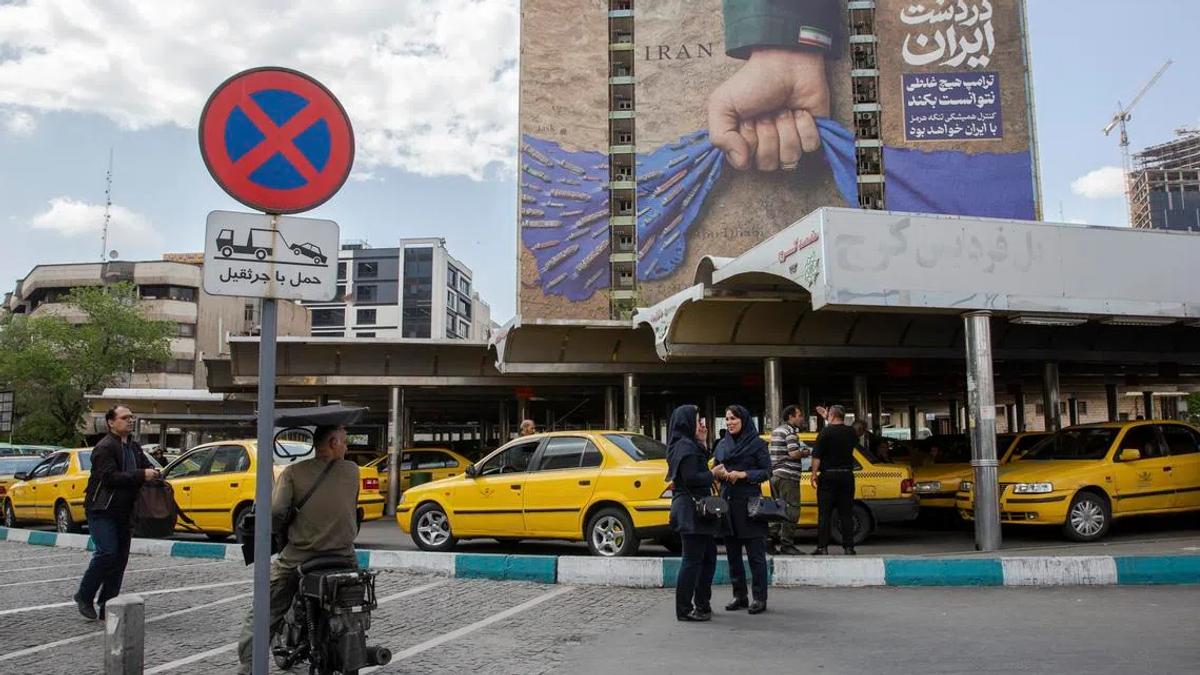
The recent revelation by Iran's oil ministry that it sold $23.2 billion worth of oil during the war and ceasefire with the US has significant strategic implications for the region and the global energy market.
The conflict between Iran and the US began in February with US-Israeli strikes on Iran, followed by a ceasefire in April. However, fighting resumed in July over control of the Strait of Hormuz, a vital waterway for global oil trade. The war has been ongoing for several months, with both sides suffering significant losses.
According to the oil ministry, Iran sold $11.5 billion worth of oil during the war and $6.5 billion worth of oil during the ceasefire. These sales covered over 60% of the oil revenue forecast in Iran's yearly budget, despite ongoing crises.
The ability of Iran to sell oil during the war and ceasefire has several strategic implications. Firstly, it demonstrates Iran's ability to adapt to changing circumstances and maintain its economic interests despite the conflict. Secondly, it highlights the importance of the Strait of Hormuz as a critical waterway for global oil trade. Finally, it underscores the need for the international community to address the ongoing conflict and find a peaceful resolution to prevent further destabilization of the region.
The conflict between Iran and the US has significant regional implications. The war has already led to a spike in oil prices, which has affected the global economy. Furthermore, the conflict has also led to a humanitarian crisis, with thousands of civilians displaced and injured. The ongoing conflict also poses a significant threat to regional stability, with the potential for further escalation and destabilization.
The future consequences of the conflict between Iran and the US are uncertain. However, it is clear that the ongoing conflict will have significant implications for the region and the global energy market. The international community must work towards a peaceful resolution to prevent further destabilization of the region and maintain global stability.
In conclusion, Iran's oil sales during the war and ceasefire have significant strategic implications for the region and the global energy market. The ability of Iran to adapt to changing circumstances and maintain its economic interests despite the conflict highlights the importance of finding a peaceful resolution to the ongoing conflict. The international community must work towards a peaceful resolution to prevent further destabilization of the region and maintain global stability.
Editor's Note: The analysis is based on publicly available information and does not contain any speculative or unsupported claims.
Source referenced: STRAITSTIMES
This brief was synthesized by our Editorial Engine and reviewed by The Ground Narrative team.