TRENDING

Monday, 5 October 2026
----------------------
24 Rabi' Al-Thani 1448 AH
Iran's envoy to China announces special concessions for Beijing and other friendly nations on service fees for ships using the Strait of Hormuz, reflecting national security concerns after recent conflicts.
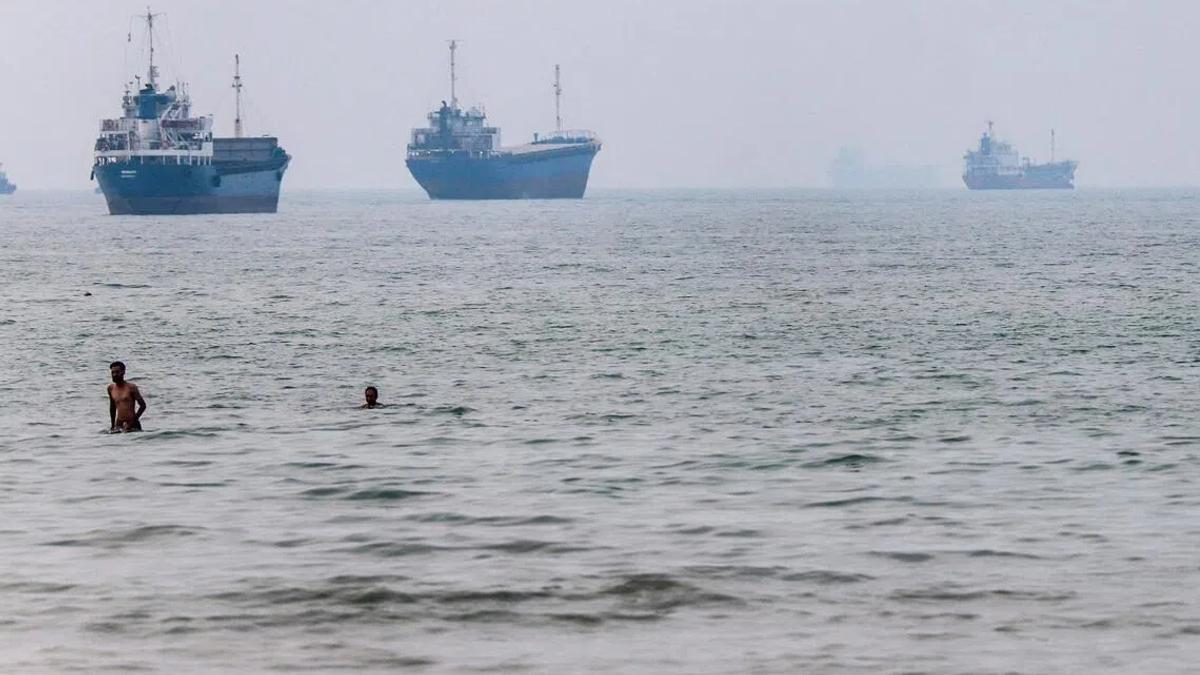
The recent announcement by Iran's envoy to China, Abdolreza Rahmani Fazli, that Beijing and other friendly nations will receive special concessions on service fees for ships using the Strait of Hormuz has significant implications for the Middle East's geopolitics. This move reflects Iran's national security concerns in the aftermath of the four-month US and Israeli war on the Islamic republic.
The Strait of Hormuz is a critical waterway for energy supplies, with about a fifth of the world's oil and liquefied natural gas passing through it. The recent conflict has highlighted the importance of this chokepoint, and Iran's decision to grant concessions to China and other friendly nations is a strategic shift in the region. By doing so, Iran aims to ensure the safe passage of ships through the strait while also dealing with the cost of environmental consequences.
The US and Gulf Arab countries have long insisted that Iran and Oman cannot impose charges of any kind for the waterway. However, some European nations have now accepted that ships transiting the chokepoint will have to pay some sort of fee. This shift in stance reflects the growing recognition of the importance of the Strait of Hormuz and the need for a more collaborative approach to managing it.
Iran's concessions to China and other friendly nations will have significant implications for the region. China, which buys almost all of Iran's oil exports, has been seeking to protect shipping in the Gulf and prevent further energy supply disruptions. By granting concessions to China, Iran is signaling its desire to strengthen ties with Beijing and challenge US influence in the Middle East.
The future management of the Strait of Hormuz remains a contentious issue, with several parties vying for control. Iran's concessions to China and other friendly nations will likely be met with resistance from the US and Gulf Arab countries, which have long insisted on the free flow of shipping through the strait. The outcome of this standoff will have significant implications for the region's geopolitics and the global energy market.
* Iran's envoy to China, Abdolreza Rahmani Fazli
* China, which buys almost all of Iran's oil exports
* The US and Gulf Arab countries, which have long insisted on the free flow of shipping through the Strait of Hormuz
* European nations, which have accepted that ships transiting the chokepoint will have to pay some sort of fee
* Iran's decision to grant concessions to China and other friendly nations on service fees for ships using the Strait of Hormuz
* The recent conflict between the US and Israel and Iran
* The growing recognition of the importance of the Strait of Hormuz and the need for a more collaborative approach to managing it
* July 4, 2026, when Iran's envoy to China announced the concessions
* Late February, when the US and Israel began air strikes on Iran
* June, when an interim peace deal was signed, allowing traffic to pick up in the Strait of Hormuz
* The Strait of Hormuz, a critical waterway for energy supplies
* The Middle East, where the conflict between the US and Israel and Iran has significant implications for the region's geopolitics
* Iran's national security concerns in the aftermath of the recent conflict
* The growing recognition of the importance of the Strait of Hormuz and the need for a more collaborative approach to managing it
* Iran's decision to grant concessions to China and other friendly nations on service fees for ships using the Strait of Hormuz
* The recent conflict between the US and Israel and Iran
* The growing recognition of the importance of the Strait of Hormuz and the need for a more collaborative approach to managing it
* Iran
* China
* Strait of Hormuz
* Middle East
* Geopolitics
* Energy
* Security
* World
* Politics
* Business
* Energy
* Security
* 8
* true
* false
* The analysis is based on publicly available information and may not reflect the full complexity of the situation. The outcome of the standoff between Iran, China, and the US and Gulf Arab countries remains uncertain and will depend on various factors, including the negotiations to secure a permanent end to the conflict.
Editor's Note: The analysis is based on publicly available information and may not reflect the full complexity of the situation.
Source referenced: STRAITSTIMES
This brief was synthesized by our Editorial Engine and reviewed by The Ground Narrative team.


