What Happened
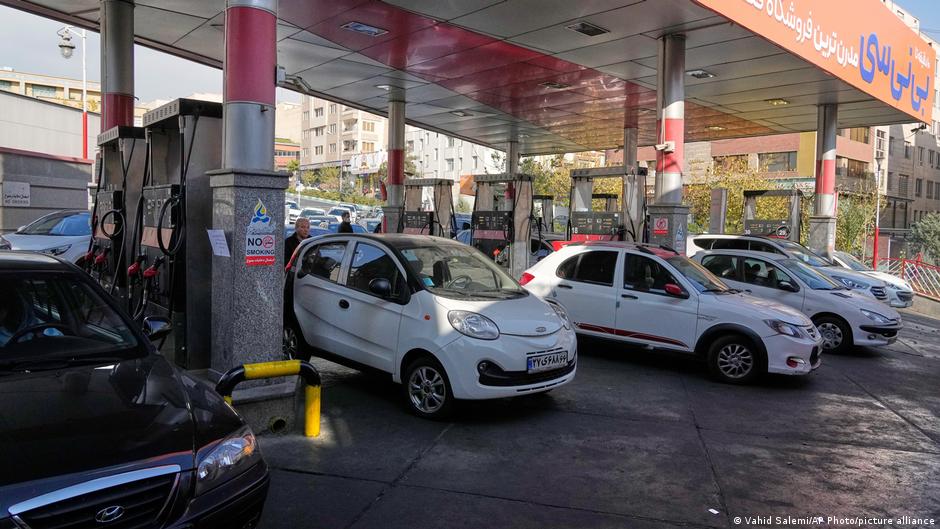
Iran is on the brink of a fuel crisis, with the government considering a significant increase in gasoline prices to curb consumption and manage a widening gap between domestic production and demand. The proposed price hike, which could see the top tier of subsidized fuel prices jump by nearly 100%, has sparked concerns about the impact on households and the potential for social unrest.
The Power Mechanics
The Iranian government's decision to raise fuel prices is driven by a complex interplay of factors, including the ongoing conflict with the US, economic sanctions, and a decline in domestic fuel production. The war has damaged fuel infrastructure, restricted imports, and disrupted shipping, making it harder and more expensive for Iran to manage its fuel supply. The government's reliance on subsidized fuel prices has also created a culture of dependency, making it difficult to implement reforms without sparking widespread discontent.
The Human Cost
The proposed fuel price hike will have a disproportionate impact on middle and lower-income households, who are already struggling to make ends meet. With the basic monthly minimum wage in Iran set at around 16.6 million tomans ($87), many families will be forced to make difficult choices between fuel, food, and other essential expenses. The ripple effects of the price hike will also be felt throughout the economy, with higher transport costs and increased prices for goods and services.
The Untold Story
What the Iranian government is downplaying is the fact that the fuel crisis is not just an economic issue, but a symptom of a deeper structural problem. The country's reliance on subsidized fuel prices has created a culture of inefficiency and waste, with many Iranians relying on fuel-guzzling vehicles and inefficient appliances. The government's failure to invest in public transport, renewable energy, and energy-efficient technologies has also exacerbated the crisis. Furthermore, the war with the US has added a layer of complexity to the issue, with sanctions and shipping disruptions making it harder for Iran to access the fuel it needs.
What to Watch
As the Iranian government navigates the treacherous waters of the fuel crisis, several key factors will determine the outcome. The government's ability to implement a gradual and targeted price increase, combined with financial support for poorer households and investments in public transport and energy-efficient technologies, will be crucial in mitigating the impact on the most vulnerable populations. The response of the international community, particularly the US, will also be important, as any easing of sanctions or support for Iranian energy sector reforms could help alleviate the crisis. Ultimately, the Iranian people will be watching closely to see if their government can find a solution to the fuel crisis that balances economic necessity with social justice and human dignity.