TRENDING

Monday, 9 November 2026
----------------------
29 Jumada Al-Awwal 1448 AH
France accuses Iran’s IRGC of hacking supermarket refrigerators, causing fires and food waste across Europe. The episode reveals how state‑linked cyber tools can turn everyday appliances into geopolitical leverage.
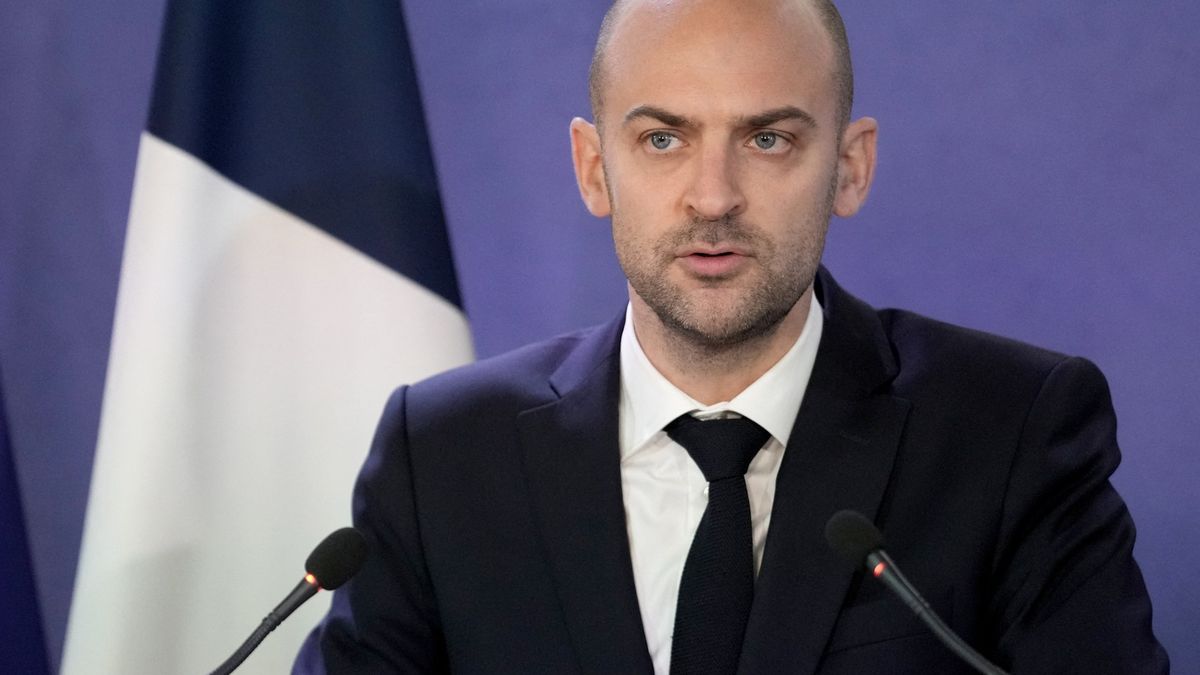
France’s foreign ministry announced on 9 November 2026 that a cyber unit tied to the Islamic Revolutionary Guard Corps (IRGC) was behind a series of attacks on supermarket refrigeration units in several European countries. The intrusion triggered overheating, fires and massive spoilage of perishable goods, prompting French prosecutors to seek international arrest warrants for the unit’s leader, Shahid Kaveh, and his deputies. In response, Paris summoned the Iranian ambassador and called for coordinated EU sanctions against Tehran.
The incident sits at the intersection of three strategic currents. First, the IRGC has cultivated a parallel cyber‑warfare capability that operates alongside Iran’s conventional military, allowing it to project power without crossing traditional thresholds of kinetic conflict. By targeting civilian infrastructure, the unit can inflict economic pain while preserving plausible deniability.
Second, France and its European partners view the hack as an opportunity to rally domestic opinion around a hardening stance on Iran. The French foreign minister’s public accusation serves both a diplomatic purpose—justifying the summoning of the ambassador—and a domestic one, signaling that the government can protect consumers from foreign threats.
Third, the broader sanctions calculus reflects a shift in how the EU leverages economic tools. Rather than targeting oil or banking alone, Brussels is now prepared to weaponize trade restrictions against entities that operate in the cyber domain, signaling that digital aggression will trigger the same punitive mechanisms as traditional aggression.
These forces combine into a feedback loop: Iran gains a low‑cost means to pressure Europe; Europe responds with sanctions that threaten Iran’s already strained economy; and both sides reinforce narratives that justify further escalation.
The immediate fallout fell on grocery chains that had to replace damaged refrigeration units, a capital expense that runs into millions of euros per outlet. Small‑scale retailers, lacking deep balance sheets, faced closures or severe cash‑flow crises, forcing staff layoffs and reducing local employment.
Food waste surged as thousands of tonnes of meat, dairy and produce spoiled. Prices for fresh items rose as suppliers scrambled to replenish stock, disproportionately affecting low‑income households that already allocate a larger share of income to food.
Truck drivers, warehouse staff and cold‑storage technicians saw their schedules disrupted. The scramble to move salvaged goods before spoilage added overtime pressures, while the need for rapid equipment replacement created a surge in demand for technicians, inflating wages but also stretching safety standards.
Overall, the episode turned a cyber‑security breach into a public‑health and economic shock that rippled through the everyday lives of ordinary Europeans.
Western officials focus on the external aggression, but Iranian officials rarely discuss the domestic pressures that drive the IRGC’s cyber agenda. Sanctions have crippled Iran’s oil revenues, pushing the regime to diversify its leverage. Cyber operations offer a way to extract concessions without risking lives on the battlefield, a tactic that aligns with hard‑liners seeking to demonstrate resilience.
The investigation points to Shahid Kaveh, a unit known to collaborate with regional militias and non‑state actors. By embedding the operation within a broader proxy ecosystem, Tehran can diffuse attribution and create plausible deniability, complicating any legal or diplomatic response.
French statements emphasize civilian safety, yet they downplay the fact that the EU’s forthcoming sanctions could further impoverish the very populations already suffering from food price spikes. By framing the response as a protective measure, policymakers sidestep the trade‑off between punitive diplomacy and domestic hardship.
International law still lacks clear definitions for state‑sponsored attacks on commercial appliances. This ambiguity allows actors like the IRGC to test the boundaries of acceptable behavior, betting that the international community will be slow to codify prohibitions.
- EU sanction rollout: Watch how quickly Brussels translates the French demand into concrete measures, and whether it targets only the cyber unit or expands to broader Iranian entities.
- Retaliatory cyber activity: Iran may respond with attacks on European logistics, energy grids, or even media platforms, testing the limits of its cyber playbook.
- Legislative moves on cyber norms: The United Nations and the EU are expected to convene working groups on civilian‑targeted cyber operations; outcomes could reshape accountability standards.
- Food‑price trends: Monitor supermarket price indices across the EU for spikes that could signal longer‑term economic fallout from the disrupted supply chain.
- Domestic Iranian discourse: Signals from Tehran’s hard‑liners versus reformists may indicate whether the cyber unit will be used as a bargaining chip in future negotiations.
By tracking these threads, readers can gauge whether the fridge hack remains an isolated incident or the opening move in a broader campaign that blends digital sabotage with traditional geopolitical pressure.
French investigators traced the malware signatures to a known IRGC cyber unit called Shahid Kaveh, and they have identified command‑and‑control servers previously associated with Iranian operations.
Sanctions could tighten financial channels for Iranian entities, but they may also raise energy and commodity costs in Europe, indirectly pushing food prices higher for households already facing inflation.
Source referenced: ALJAZEERA
This brief was synthesized by our Editorial Engine and reviewed by The Ground Narrative team.