TRENDING

Friday, 13 November 2026
----------------------
3 Jumada Al-Thani 1448 AH
Iran's claim of hitting a US early‑warning radar in Bahrain marks a new escalation in a war that has already scarred the Gulf. The analysis uncovers who gains, who suffers, and what the next moves might be.
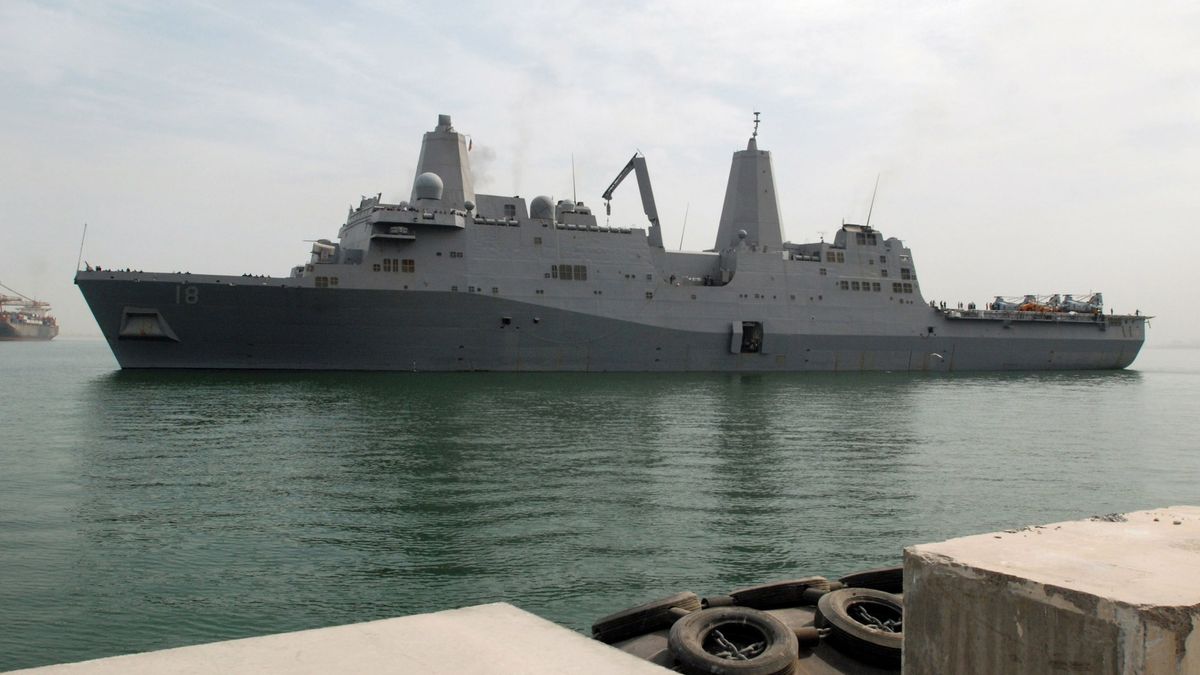
Iran’s Islamic Revolutionary Guard Corps announced on November 13 that it had struck a United States early‑warning radar installation in Bahrain. The claim follows a reported Iranian‑linked attack on a telecommunications tower in southern Iran, which Tehran described as an air assault by the United States. Satellite imagery released by Al Jazeera shows damage to several radar domes at the Naval Support Activity base in Manama, the headquarters of the US Fifth Fleet. No official comment from Washington or Manama was immediate, but the incident is the first Iranian claim of a direct hit on a US asset in the Gulf since early September.
The strike sits at the intersection of three overlapping incentive structures. First, the IRGC seeks to demonstrate operational reach beyond Iran’s borders, reinforcing its domestic legitimacy after years of economic pressure and internal dissent. By targeting a high‑visibility US sensor, Tehran signals that it can punish what it calls “aggressive aerial provocations” and oil‑smuggling in the Strait of Hormuz.
Second, the United States faces a dilemma between maintaining a forward‑deployed posture that underpins its regional credibility and avoiding a costly escalation that could draw public opposition at home. The Fifth Fleet’s radar network is a linchpin for missile‑defence and early‑warning across the Arabian Gulf, but the Pentagon’s recent inspector‑general report highlighted that dozens of US installations have already been rendered partially unusable. Reducing troop numbers and relocating diplomatic staff, as reported, is a cost‑saving move that also limits the political fallout of potential casualties.
Third, Bahrain itself is caught in a balancing act. The kingdom hosts the US naval hub that underwrites its security guarantees, yet it also depends on the flow of oil and container traffic through the Strait of Hormuz. Any perception that Bahrain is a battlefield invites economic risk—shipping insurers may raise premiums, and regional investors could pull back, eroding the small state’s fiscal base.
All three actors are locked into a classic security‑dilemma loop: Iran’s aggressive signaling forces the US to reinforce its presence, which in turn fuels Tehran’s narrative of defending sovereignty. The United States, meanwhile, must weigh the political cost of a deeper military response against the strategic necessity of keeping the Gulf’s maritime arteries open.
The retaliation narrative began with an alleged US strike on a telecom tower in Sirik, Hormozgan province. Residents reported shattered windows, disrupted communications, and a temporary halt to fishing activities that sustain the local economy. Casualties have not been independently verified, but the loss of a communications hub hampers emergency response and education services for a town of roughly 30,000.
The radar site employs a mix of American service members, Bahraini civilian staff, and contract workers from the Philippines, India, and Pakistan. Damage to the radar domes has forced temporary shutdowns, leaving dozens of technicians without pay and creating uncertainty for families that rely on base‑related income. The broader Bahraini economy, already strained by high unemployment, feels the ripple effect as security‑related contracts are delayed.
The Strait of Hormuz handles about 20 % of the world’s oil trade. Any perception of heightened risk forces ship owners to reroute vessels around the Cape of Good Hope, adding weeks to voyages and increasing fuel consumption. Crews, many of whom are from low‑income nations, face longer periods at sea, higher exposure to piracy, and reduced wages due to delayed cargo deliveries.
Heightened military activity raises the probability of stray missiles or mis‑identifications striking civilian infrastructure in neighboring Iran, Saudi Arabia, or the United Arab Emirates. Past incidents have shown that even a single errant missile can ignite fires in densely populated port districts, leading to civilian casualties and displacement.
Iranian state media frames the radar strike as a “serious warning” to an “aggressor enemy.” What is omitted is the internal pressure on the IRGC from hard‑liners who view the war’s economic toll as unsustainable. By showcasing a high‑profile hit, the leadership attempts to rally nationalist sentiment and distract from domestic shortages, inflation, and protests that have simmered since the war’s outset.
Washington’s silence on the specific incident serves a dual purpose. Publicly, it avoids confirming that a US asset was successfully neutralised, which could embolden Tehran. Privately, the Pentagon is likely assessing whether the radar’s degradation materially affects missile‑defence coverage. The broader narrative presented by officials like Secretary of State Marco Rubio emphasizes economic pressure over kinetic action, downplaying the operational risk to US forces.
Bahraini authorities have not issued a formal statement, reflecting a calculated decision to keep the spotlight on the US‑Iran confrontation rather than on the kingdom’s own vulnerability. By allowing the US to manage the diplomatic fallout, Bahrain sidesteps direct blame but also forfeits an opportunity to demand greater security guarantees or compensation for base‑related economic losses.
Shipping companies and insurers have issued generic advisories about “maintaining situational awareness” without detailing the specific threat to radar infrastructure. This omission masks the true cost of increased insurance premiums, which ultimately trickle down to consumers in the form of higher fuel prices and goods costs worldwide.
The next weeks will reveal whether the United States opts for a calibrated response—such as deploying additional air‑defence assets to Bahrain—or escalates with kinetic strikes on Iranian facilities. Watch for statements from the US Fifth Fleet commander, as any shift in posture will signal the threshold of acceptable risk for Washington.
Equally important is the reaction of Israel’s security cabinet, which has already signalled heightened readiness for a possible strike on Iran. Coordination—or lack thereof—between US and Israeli planners could open a new front that stretches regional air‑defence networks thin.
Finally, monitor the economic indicators tied to Gulf shipping: freight rates on the Red Sea‑Suez corridor, insurance premiums for vessels transiting the Strait of Hormuz, and any sudden changes in oil price spreads. These metrics will translate the military back‑and‑forth into tangible costs for ordinary consumers worldwide.
In sum, the radar strike is less about a single piece of hardware and more about the calculus of power, legitimacy, and profit that underpins the Gulf’s fragile peace. The human toll—whether in a small Iranian town, a Bahraini base, or a cargo ship’s crew—will be the true measure of who benefits and who bears the burden.
Iran says it hit a United States early‑warning radar installation at the Naval Support Activity base in Manama, which is part of the US Fifth Fleet's command centre.
Disruption to US radar coverage raises the perceived risk of missile attacks in the Strait of Hormuz, prompting insurers to raise premiums and shippers to consider longer, costlier routes, which ultimately lifts oil prices worldwide.
Washington may reinforce air‑defence assets in Bahrain, issue diplomatic protests, or consider limited retaliatory strikes, while also weighing domestic political pressure against further military escalation.
Editor's Note: Analysis based on publicly available reports and satellite imagery; on‑the‑ground verification remains limited.
Source referenced: ALJAZEERA
This brief was synthesized by our Editorial Engine and reviewed by The Ground Narrative team.