TRENDING

Sunday, 25 October 2026
----------------------
14 Jumada Al-Awwal 1448 AH
The International Olympic Committee (IOC) has rejected a complaint by human rights group FairSquare against FIFA President Gianni Infantino, citing jurisdictional issues. This decision has significant implications for global sports governance, particularly in the context of political neutrality and human rights.
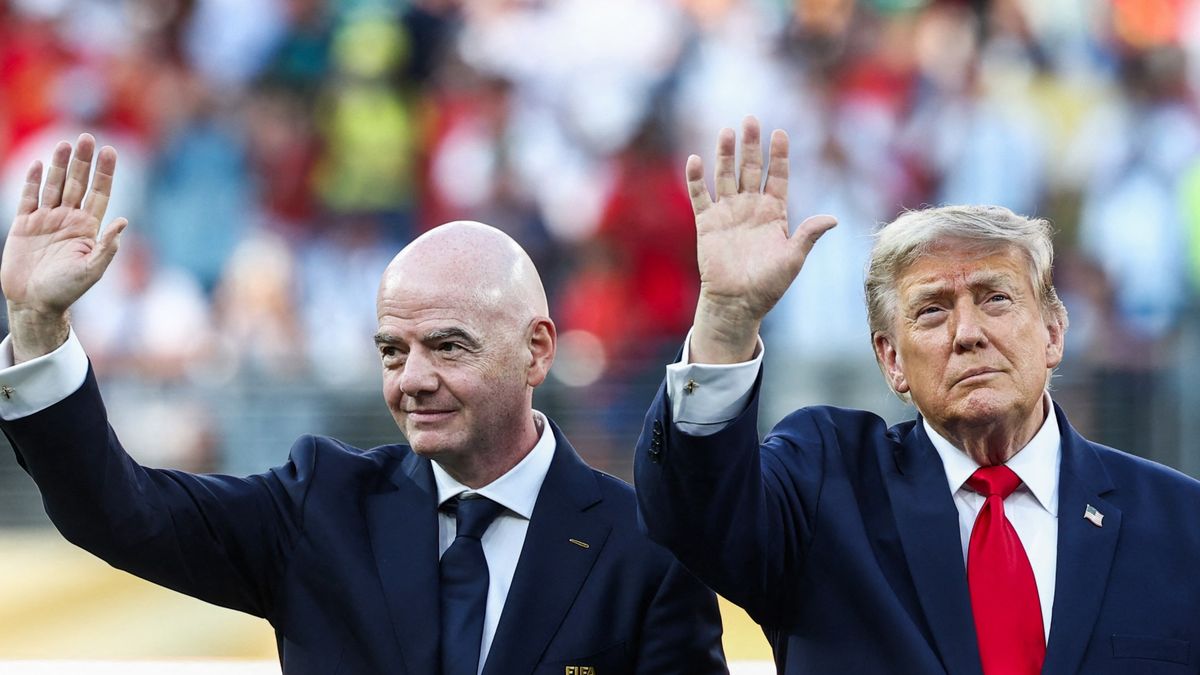
The International Olympic Committee (IOC) has rejected a complaint by human rights group FairSquare against FIFA President Gianni Infantino, citing jurisdictional issues. This decision has significant implications for global sports governance, particularly in the context of political neutrality and human rights.
The complaint, lodged by FairSquare on July 14, alleged that Infantino repeatedly breached the IOC's rules on political neutrality by offering his political support for US President Donald Trump. This is not the first time Infantino has faced scrutiny over his appearances alongside Trump, a key focus of FairSquare's complaint.
The IOC's decision to reject the complaint raises several questions about the jurisdiction of its Ethics Commission and the scope of its Code of Ethics. The IOC spokesperson stated that the complaint fell outside the commission's jurisdiction, as it referred to IF's decisions on governance and management, including relations with government, and the implementation of rules of its sport. However, this decision may be seen as a missed opportunity to address concerns about Infantino's political neutrality and its implications for global sports governance.
The rejection of the complaint has significant implications for the global sports community, particularly in the context of human rights and political neutrality. The IOC's decision may be seen as a green light for sports leaders to engage in political activities, potentially undermining the integrity of international sports competitions.
The rejection of the complaint may also have long-term consequences for the IOC's reputation and credibility. If the IOC is seen as failing to uphold its own rules and principles, it may damage its relationships with human rights groups and other stakeholders.
Editor's Note: The analysis is based on publicly available information and may not reflect the full complexity of the issue. Further investigation may be necessary to fully understand the implications of the IOC's decision.
Source referenced: ALJAZEERA
This brief was synthesized by our Editorial Engine and reviewed by The Ground Narrative team.