TRENDING

Monday, 5 October 2026
----------------------
24 Rabi' Al-Thani 1448 AH
Indian Prime Minister Narendra Modi's upcoming visit to Indonesia, Australia, and New Zealand underscores New Delhi's deepening commitment to its Indo-Pacific strategy and strengthening regional partnerships. The tour aims to bolster economic ties, enhance security cooperation, and reinforce India's diplomatic footprint in a strategically vital region.
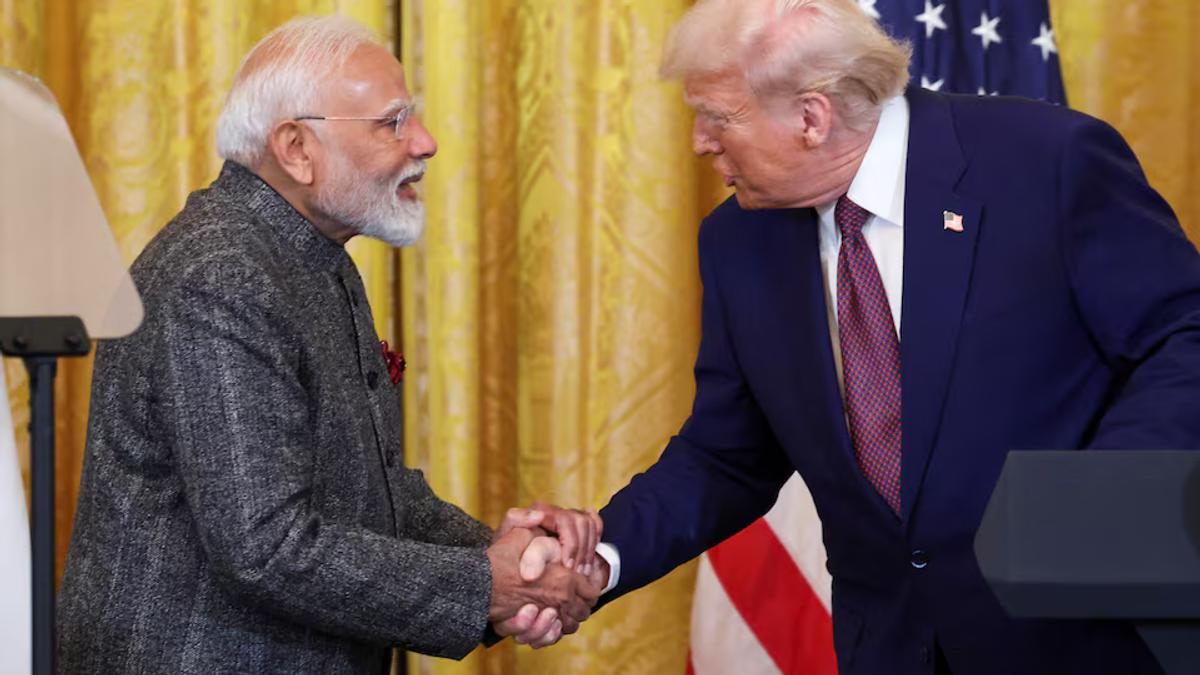
Indian Prime Minister Narendra Modi is set to embark on a significant diplomatic tour from July 6 to 11, 2026, visiting three key Indo-Pacific nations: Indonesia, Australia, and New Zealand. Announced by India's foreign ministry, this series of high-level engagements highlights New Delhi's proactive foreign policy, particularly its intensified focus on the Indo-Pacific region, which is increasingly central to global geopolitics, trade, and security.
The first leg of the tour, Indonesia, holds particular significance for India's 'Act East' policy. As the largest economy in Southeast Asia and a pivotal member of ASEAN (Association of Southeast Asian Nations), Indonesia is a crucial partner for India's regional engagement. The visit is expected to deepen bilateral relations across various sectors, including trade, investment, and maritime security. Both nations share a common interest in maintaining a free, open, and rules-based Indo-Pacific, making cooperation on maritime domain awareness, counter-terrorism, and disaster relief vital. India views ASEAN as the cornerstone of its Indo-Pacific vision, and strengthening ties with Indonesia reinforces this commitment, ensuring regional stability and economic integration.
Australia represents a critical strategic partner for India, particularly within the framework of the Quadrilateral Security Dialogue (Quad), which also includes the United States and Japan. Prime Minister Modi's visit to Australia will likely focus on enhancing defense cooperation, intelligence sharing, and joint military exercises, which have seen a significant uptick in recent years. The two nations share concerns regarding regional security dynamics and the importance of upholding international law, especially in the maritime domain. Economically, discussions are anticipated to cover trade diversification, critical minerals supply chains, and collaboration in emerging technologies. This visit will serve to consolidate the strategic convergence between India and Australia, projecting a united front on shared regional interests and values.
Concluding the tour in New Zealand, Prime Minister Modi aims to expand India's diplomatic and economic footprint in the broader Pacific region. While smaller in scale compared to the engagements with Indonesia and Australia, the visit to New Zealand is strategically important for fostering goodwill and cooperation with a like-minded democratic nation. Discussions are expected to encompass trade, tourism, education, and climate change, an area where both countries have expressed strong commitments. New Zealand's perspective on regional security and its engagement with Pacific Island nations will also be of interest to India, as New Delhi seeks to broaden its influence and partnerships across the entire Indo-Pacific arc.
This multi-nation tour is driven by several overarching strategic motivations. Firstly, it underscores India's ambition to be a net security provider and a leading voice in the Indo-Pacific, actively shaping the regional order rather than merely reacting to it. Secondly, it is a clear signal of India's commitment to diversifying its strategic partnerships and reducing over-reliance on any single power, particularly in the context of evolving geopolitical competition. The emphasis on economic cooperation also reflects India's drive to expand its trade linkages, secure critical resources, and attract investment, crucial for its sustained economic growth.
Furthermore, the visits implicitly address the broader geopolitical landscape, including the growing influence of China in the Indo-Pacific. By strengthening ties with key regional players, India, alongside its partners, seeks to promote a balance of power and ensure adherence to international norms and sovereignty. The collective message from these engagements is one of cooperation, resilience, and a shared vision for a prosperous and secure Indo-Pacific, free from coercion. The outcomes of this tour will likely have long-term implications for regional stability, economic integration, and the evolving architecture of Indo-Pacific security.
Source referenced: CGTN
This brief was synthesized by our Editorial Engine and reviewed by The Ground Narrative team.


