TRENDING

Monday, 21 September 2026
----------------------
10 Rabi' Al-Thani 1448 AH
Imran Khan’s three sisters were detained days before a planned march on Islamabad, exposing the military‑civilian tug‑of‑war that fuels Pakistan’s volatile politics and putting ordinary citizens at risk.
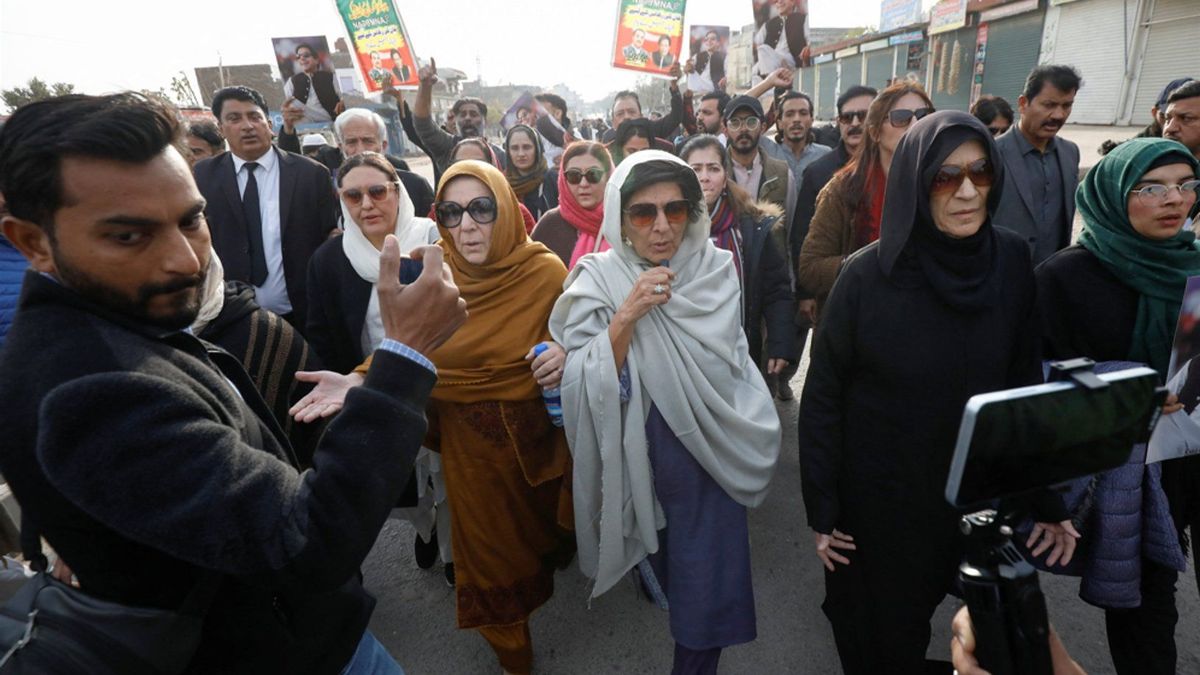
Three of former Prime Minister Imran Khan’s sisters were taken into custody in Lahore, with authorities confirming a 30‑day detention order for Aleema Khan. The arrests came as PTI officials prepared a mass march for September 27 in Islamabad, demanding Khan’s release from a sprawling corruption case that has kept him behind bars since 2024.
The episode sits at the intersection of three entrenched power structures in Pakistan. First, the military establishment continues to wield decisive influence over civilian politics, using legal mechanisms and selective arrests to neutralise opponents deemed threatening to its strategic agenda. Second, the judiciary, long criticized for its susceptibility to pressure, provides the veneer of legality that transforms a political crackdown into a procedural matter. Third, the Pakistan Tehreek‑e‑Insaf (PTI) relies on a charismatic, populist narrative that frames any state action against Khan as an assault on democracy, mobilising a broad base of disaffected voters, especially in Punjab and Khyber‑Pakhtunkhwa. The detention of Khan’s sisters serves a dual purpose: it signals to PTI supporters that the state can reach even the most protected family members, and it creates a personal stake that can be leveraged to either coerce compliance or inflame public outrage. The timing—just days before a high‑visibility march—suggests a calculated attempt to disrupt PTI’s mobilisation while also testing the limits of public tolerance for state‑sanctioned intimidation.
While the headlines focus on the Khan family, the real victims are far broader. PTI activists, many of whom are young, unemployed, or from rural constituencies, face the prospect of violent dispersal, mass arrests, and loss of livelihood if the march is suppressed. Small‑business owners in Lahore and Islamabad anticipate curfews and shutdowns that could cripple daily earnings. Women’s rights advocates watch the detention of three high‑profile sisters with alarm, fearing a precedent for targeting female relatives of political figures as a pressure tactic. Finally, ordinary Pakistanis—already burdened by inflation, energy shortages, and a fragile economy—are forced to navigate a political landscape where dissent can trigger security crackdowns, further eroding trust in state institutions.
Official statements from the Ministry of Interior frame the detentions as “necessary for national security,” yet they omit any reference to the political context of the upcoming march. What is left unsaid is the coordinated use of the anti‑terrorism courts to process politically sensitive cases swiftly, bypassing standard procedural safeguards. Moreover, the media silence on the role of intelligence agencies in monitoring PTI’s logistical preparations hints at a pre‑emptive intelligence operation designed to pre‑empt mass mobilisation. The narrative of “lawful detention” masks a broader strategy of intimidation through family pressure, a tactic historically employed to deter opposition leaders from rallying support.
The September 27 march will be a litmus test for the military‑civilian balance in Pakistan. Observers should watch for: (1) the scale and composition of the protest, especially whether PTI can sustain turnout despite the family arrests; (2) the state’s response, whether it opts for a heavy‑handed police crackdown or a negotiated de‑escalation; (3) any shift in the judiciary’s handling of Khan’s corruption case, which could signal either a hardening or a concession; and (4) regional reactions, particularly from India and the Gulf, who monitor Pakistani instability for its spill‑over effects on security and energy markets. The outcome will shape not only Khan’s political future but also the broader trajectory of Pakistan’s democratic institutions and the military’s role in civilian governance.
Source referenced: ALJAZEERA
This brief was synthesized by our Editorial Engine and reviewed by The Ground Narrative team.


