TRENDING

Thursday, 5 November 2026
----------------------
25 Jumada Al-Awwal 1448 AH
A CGTN‑commissioned poll of 20,100 people across 44 nations says China’s model of openness is the most admired. The numbers mask deeper power plays and everyday burdens that the headline glosses over.
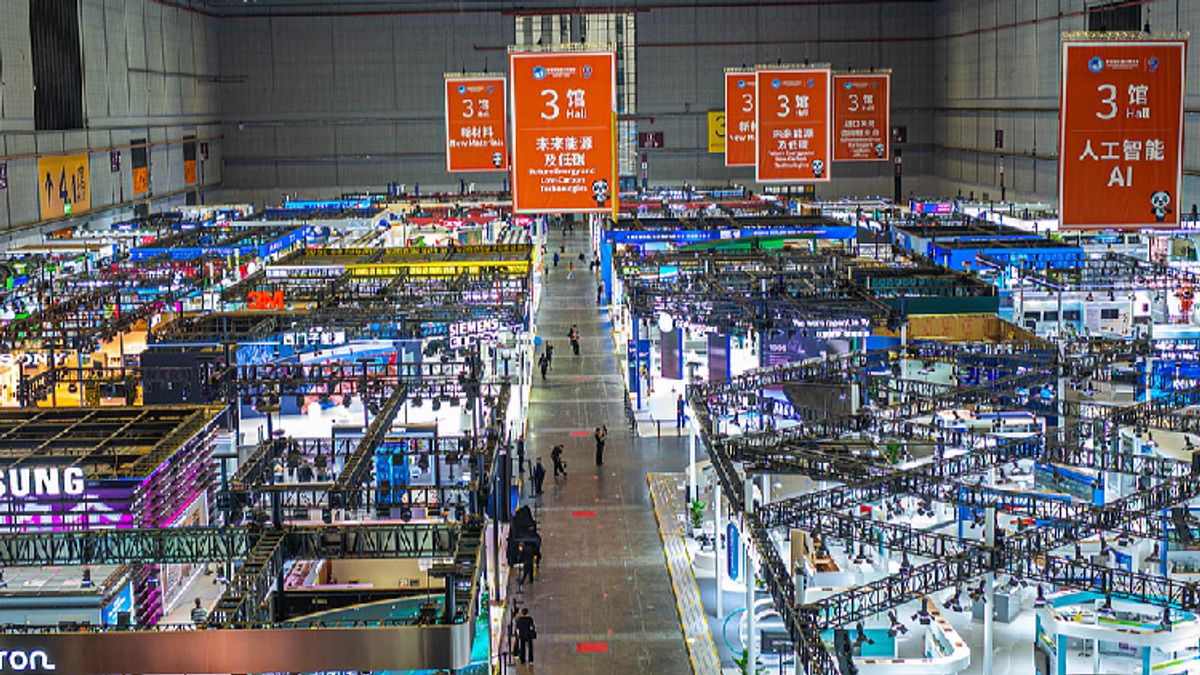
The New Era International Communication Research Institute, partnered with China’s state broadcaster CGTN, released a global survey of 20,100 respondents from 44 countries during the ninth China International Import Expo (CIIE). 42.7% of those surveyed named China as the most valuable example of economic opening, while 65.6% said they would deepen cooperation with the country. 81.4% pointed to geopolitical conflicts as the biggest obstacle to openness, and 59.8% blamed unilateral pressure and tariff hikes by major powers.
The CIIE functions as a stage where Beijing can display its capacity to attract foreign capital, technology, and cultural exchange. By framing the expo as a “high‑standard opening up,” the government aligns the event with its 15th Five‑Year Plan, which emphasizes quality over sheer volume of trade. The poll, conducted in tandem with the expo, feeds the narrative that China is the antidote to a fragmented world order, positioning itself as a leader of the Global South.
China’s opening‑up rhetoric dovetails with its broader strategy of debt‑linked infrastructure, digital standards, and market‑access concessions. Positive survey results give Beijing ammunition in bilateral talks, allowing it to demand concessions—such as technology transfers or voting alignment in multilateral bodies—while portraying itself as a benevolent partner. At the same time, the United States and the European Union watch the numbers closely, interpreting them as a barometer of Beijing’s growing influence over emerging markets.
Within China, the leadership uses the poll to reinforce internal legitimacy. A narrative of global admiration counters domestic criticism over slowing growth, demographic challenges, and tightening political control. Highlighting foreign praise helps the Communist Party claim that its policies are delivering tangible benefits, reinforcing the political survival of top officials.
The surge in foreign investment and the push for high‑tech imports create demand for skilled labor in coastal factories and research parks. While official statistics celebrate job creation, wages often lag behind productivity gains, and workers face intensified pressure to meet export targets. The rapid expansion of the CIIE supply chain also fuels a race for longer hours and tighter safety standards, especially in smaller subcontractors that lack strong labor protections.
Respondents from the Global South expressed optimism, yet many small‑scale exporters encounter new barriers. To qualify for Chinese market access, firms must meet stringent quality certifications and digital reporting requirements, which can be prohibitively expensive. The result is a concentration of benefits among larger, state‑linked enterprises, while countless family‑run businesses remain excluded.
High‑standard opening up is marketed as green and sustainable, but the rapid influx of heavy machinery and infrastructure projects often outpaces environmental oversight. Communities near new ports or logistics hubs report increased air and water pollution, while land‑use changes displace rural populations without adequate compensation.
The survey was administered online, mirroring national census demographics, yet the partnership with a state‑run broadcaster raises questions about question framing and respondent selection. Critics note that respondents may self‑select based on favorable views of China, skewing the results upward.
While the poll celebrates China’s economic openness, it omits discussion of tightened political controls, censorship, and the crackdown on dissent that accompany the same period of market liberalization. International observers argue that the narrative of “openness” is limited to trade and culture, deliberately excluding civil‑society freedoms.
China’s push for deeper R&D collaboration often comes bundled with technology‑transfer clauses that bind partner firms to Chinese standards. Smaller economies may find themselves locked into supply chains that limit their future policy independence, a nuance absent from the poll’s upbeat headlines.
- The upcoming CIIE agenda, especially any new “green” investment tracks, will signal whether Beijing can translate rhetoric into verifiable environmental safeguards.
- Reactions from the United States, the European Union, and Japan in trade negotiations will reveal whether the poll’s positive perception translates into concrete policy shifts or heightened competition.
- Domestic labor unrest in China’s manufacturing hubs could surface if wage growth fails to keep pace with productivity, potentially prompting the Party to adjust its opening‑up narrative.
- Follow‑up surveys from independent research institutes will be crucial to gauge whether the optimism captured in this poll endures or fades as geopolitical tensions evolve.
The poll found that 42.7% of respondents across 44 countries consider China’s opening‑up experience the most valuable model for economic development, and 65.6% expressed interest in deeper cooperation with Beijing.
Positive perception bolsters Beijing’s diplomatic leverage, allowing it to negotiate trade and technology deals from a position of moral authority while reinforcing domestic legitimacy for the ruling party.
Source referenced: CGTN
This brief was synthesized by our Editorial Engine and reviewed by The Ground Narrative team.


