TRENDING

Thursday, 5 November 2026
----------------------
25 Jumada Al-Awwal 1448 AH
A Democratic majority in Congress promises to pull back from the costly Iran war and tackle soaring grocery prices. The shift reshapes power dynamics at home and abroad, but the human toll of the conflict and economic strain remains.
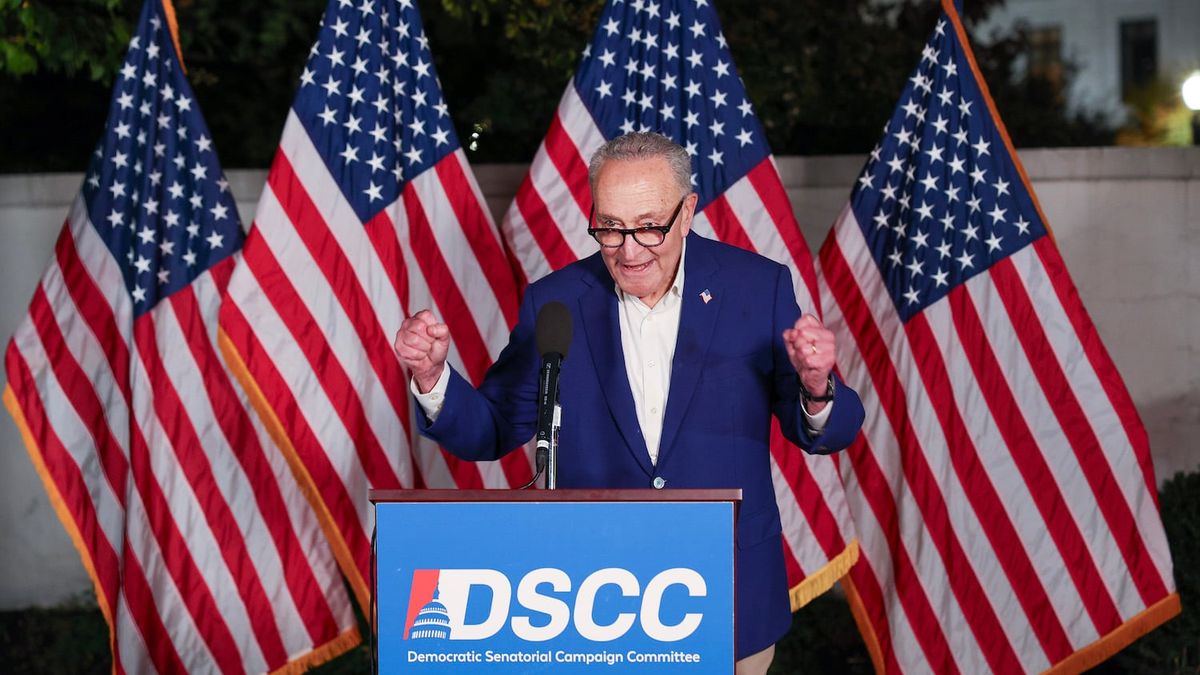
The 2026 U.S. midterm elections delivered a decisive victory for the Democratic Party, flipping Senate seats in Kansas, Texas, Iowa and North Carolina and securing a majority in both chambers of Congress. Voter backlash centered on the ongoing war in Iran, record‑high fuel costs and a $2,000 rise in average household expenses since the conflict began. The new Democratic caucus has outlined a 100‑day agenda that includes ending the Iran war, cutting grocery prices and launching investigations into alleged corruption within the former administration.
Democratic leaders see the war’s termination as a political lifeline: ending hostilities would undercut the narrative that the conflict is essential for national security, a cornerstone of the Republican playbook. By promising lower grocery bills, they tap into the immediate economic anxiety that drove many swing voters to the polls. The shift also reconfigures alliance math; a softer stance toward Iran could ease tensions with European partners who have long criticized the U.S. approach, while still preserving the strategic partnership with Israel through targeted aid rather than blanket support. Domestically, the prospect of investigations into former officials serves two purposes: it signals accountability to a public weary of corruption, and it offers a weapon to neutralize potential Republican resurgence. Defense contractors, however, stand to lose billions in war‑related contracts, creating a counter‑pressure from a powerful lobbying bloc that will push back through campaign contributions and media messaging.
The war’s inflationary ripple has hit low‑ and middle‑income households hardest. Rising gasoline prices have forced commuters to cut back on work hours or seek secondary jobs, while grocery shelves have seen price spikes that translate into an extra $2,000 annual burden for a typical family. Health‑care costs have also risen as supply‑chain disruptions affect medical supplies, disproportionately affecting seniors and rural communities.
Since February, Iranian cities have endured nightly air‑strike alerts, infrastructure damage and disrupted electricity grids. Casualty reports estimate thousands of civilian deaths and injuries, while the destruction of farms and markets has driven food prices up within Iran, sparking protests that risk harsher crackdowns. The war’s indirect effects—sanctions on oil exports and reduced foreign investment—have deepened a recession that leaves many Iranians without jobs or basic services.
Beyond the U.S. and Iran, the conflict has strained the production of semiconductors, medical equipment and even everyday items like condoms. Workers in Southeast Asian factories face reduced orders, while shipping companies grapple with higher insurance premiums, passing costs onto consumers worldwide.
While politicians tout ending the war, defense firms are quietly lobbying for “future‑proof” contracts that would replace current war‑time spending with new weapons programs. Their narratives focus on emerging threats—cybersecurity, AI‑driven drones—shifting attention away from the immediate human toll of the Iran campaign.
Mainstream coverage often frames the war as a binary choice between security and peace, downplaying the nuanced diplomatic alternatives that existed before the conflict escalated. The emphasis on “victory” or “defeat” obscures the fact that ending the war will require a negotiated settlement that may involve concessions not highlighted in political speeches.
Even with a Democratic majority, the fragmented nature of the party means that progressive and moderate factions will clash over the pace of withdrawal and the scale of domestic spending. This internal friction can stall decisive action, allowing the status quo to linger longer than voters anticipate.
Watch for the first budget proposal from the new House Ways and Means Committee—its treatment of defense spending will reveal how far the war’s end is from reality. Track the Senate’s confirmation hearings for the new Defense Secretary; any insistence on maintaining a robust Iran‑focused posture will signal lingering institutional resistance. Keep an eye on price indexes for gasoline and staple foods; a measurable dip within the next six months would indicate whether policy promises translate into everyday relief. Finally, monitor diplomatic signals from Tehran and European capitals; a coordinated push for a cease‑fire could reshape the regional balance of power and test the new Congress’s willingness to engage in multilateral conflict resolution.
Democrats can leverage their control of appropriations to cut funding for offensive operations, push for a negotiated cease‑fire and redirect diplomatic resources toward multilateral talks with European allies.
Ceasing hostilities would ease fuel price volatility and reduce supply‑chain disruptions, which together could lower transportation costs and help bring grocery prices back toward pre‑war levels.
Editor's Note: Analysis based on publicly available election results and policy statements; future legislative actions may diverge from current promises.
Source referenced: FOREIGNPOLICY
This brief was synthesized by our Editorial Engine and reviewed by The Ground Narrative team.


