TRENDING

Tuesday, 13 October 2026
----------------------
2 Jumada Al-Awwal 1448 AH
Federal agents searched Rep. Ilhan Omar’s Minneapolis home weeks before the 2026 midterms, sparking accusations of political intimidation. The episode reveals how law‑enforcement tools intersect with election politics and minority representation.
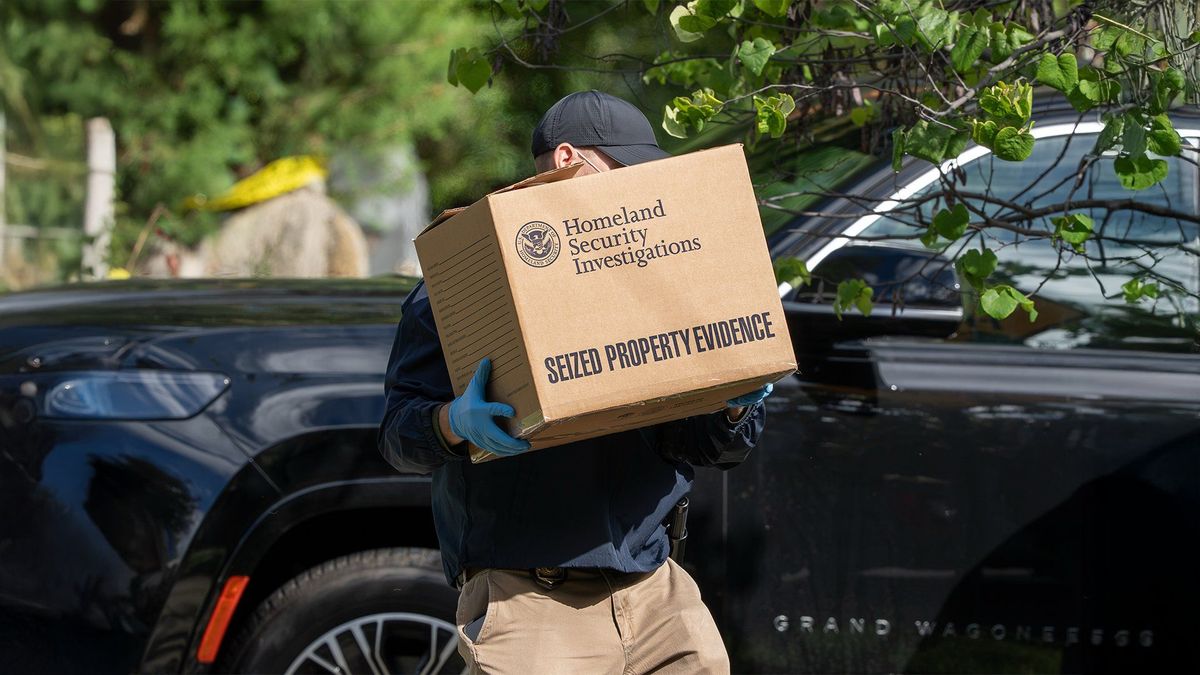
Federal Ilhan Omar’s residence in Minneapolis was entered by agents from Homeland Security Investigations on Oct. 12, 2026. The raid was described as part of an “undisclosed criminal investigation,” with officials refusing to reveal any charges or evidence. The operation unfolded just weeks before the midterm elections, adding a charged political backdrop to what would otherwise be a routine law‑enforcement action.
The timing of the search aligns with a broader Republican strategy to weaponize immigration enforcement against high‑profile Democrats. Since the 2020 election, the Republican Party has amplified rhetoric that frames immigration agencies as tools for political retribution, a narrative amplified by former President Trump and his allies. By deploying a federal investigative body, the administration signals that it can reach into the private lives of elected officials, a move that tests the limits of Congressional immunity—the long‑standing principle that legislators are protected from executive overreach while performing their duties. The investigation also serves an internal GOP calculus: portraying a hard‑line stance on immigration can energize the base in swing districts, especially in states where immigration is a hot‑button issue. Simultaneously, the administration can claim a “law‑and‑order” posture without naming a specific crime, preserving plausible deniability while keeping the political narrative focused on security rather than partisan targeting.
Beyond the headlines, the raid reverberates through the Somali‑American community that helped elect Omar in 2018. Many constituents view the search as a direct attack on their political representation, fostering fear that their voices could be silenced through intimidation. Local businesses near the home reported a dip in foot traffic as media crews swarmed the neighborhood, affecting daily wages for service workers. Moreover, the financial and emotional toll on Omar’s family—who had to relocate temporarily and secure legal counsel—diverts resources that could otherwise be spent on constituent services. The broader chilling effect extends to other minority lawmakers who may now weigh the personal risks of outspoken advocacy against the potential for federal scrutiny, potentially dampening robust debate in the House.
Official statements from DHS emphasize “routine investigative procedures,” yet they omit any discussion of the political context surrounding the raid. The media narrative has largely echoed the agency’s language, sidelining analysis of how similar searches have coincided with election cycles in the past. Legal experts note a legal opacity surrounding the warrant’s scope, raising questions about whether standard probable‑cause standards were met or if the investigation was pre‑textual. Moreover, the administration’s silence on the specific allegations fuels speculation that the search is less about a concrete crime and more about political weaponization of federal power. This omission shields the executive from accountability while allowing the story to be framed as a purely law‑enforcement matter, obscuring the underlying power play.
Watch for court filings from Omar’s legal team challenging the raid’s constitutionality; a decisive ruling could set a precedent for future executive actions against members of Congress. Legislative hearings in the House Judiciary Committee are likely to probe the scope of DHS authority, especially if bipartisan concern grows over the precedent set by this case. Finally, monitor the upcoming midterm elections for shifts in voter turnout among immigrant communities, which could either punish or reward the parties perceived as responsible for the raid. Future raids or subpoenas targeting other lawmakers would signal an escalation, turning a single incident into a systematic tool of political control.
The Department of Homeland Security said the search was part of an undisclosed criminal investigation, but no specific charges have been made public, leading many to suspect political motives tied to the upcoming midterms.
Congressional immunity traditionally shields legislators from executive interference while performing official duties, but the scope of that protection against criminal investigations remains contested and may be tested in court.
Source referenced: ALJAZEERA
This brief was synthesized by our Editorial Engine and reviewed by The Ground Narrative team.