TRENDING

Friday, 13 November 2026
----------------------
3 Jumada Al-Thani 1448 AH
Renewed Houthi drone raids have hit Saudi oil infrastructure while the UN extends sanctions on the rebel group. The clash deepens a humanitarian crisis that already forces hundreds of thousands from their homes.
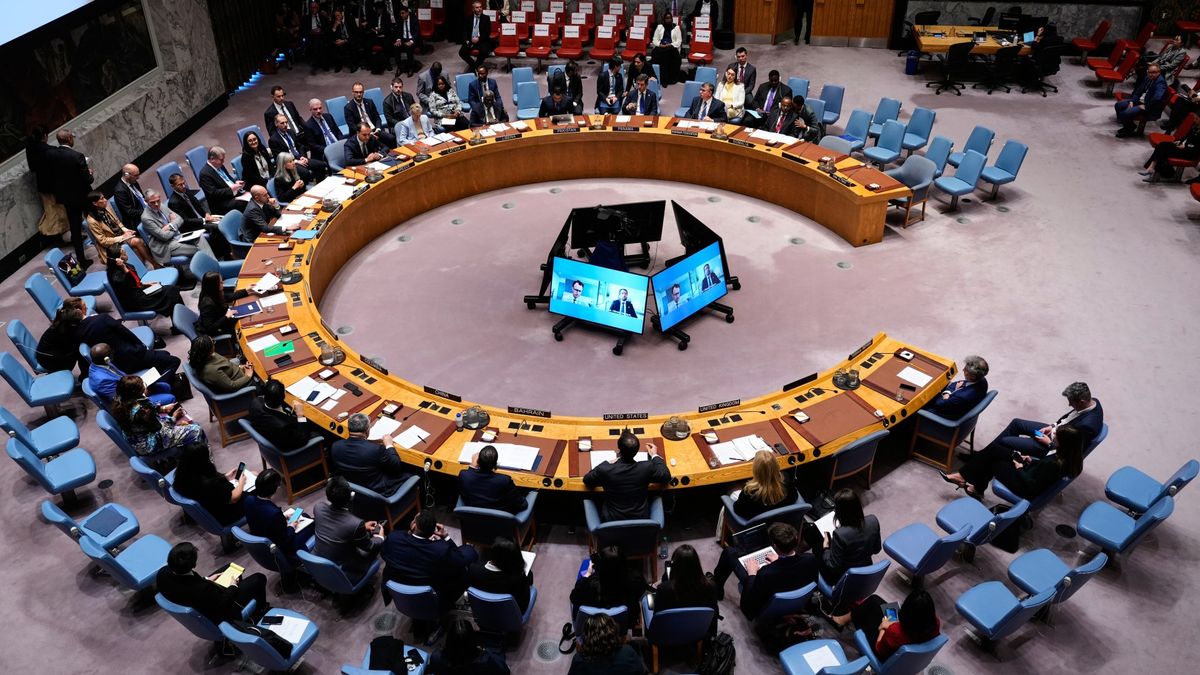
The Houthis launched a fresh wave of drone and missile attacks on Saudi targets on 11 November 2026, striking a pumping station on the East‑West Pipeline, the Yanbu refinery, and a cargo plane near Sharurah. Saudi‑led coalition forces reported intercepting several drones over Riyadh and the Eastern Province, while the UN Security Council voted unanimously to extend sanctions on the Iran‑aligned movement for another year. The council’s resolution condemned the cross‑border strikes, called for restraint, and reaffirmed support for the territorial integrity of both Saudi Arabia and Yemen.
The renewed Houthi offensive is driven by a blend of strategic, economic, and political calculations. First, the rebel movement relies on Iran for missiles, drones, and political cover; Tehran benefits from a proxy that can pressure the Saudi Gulf monarchies without direct confrontation. Second, targeting the East‑West Pipeline and Yanbu refinery strikes at the heart of Saudi oil revenue, a lever that can force Riyadh to reconsider its costly military involvement in Yemen. Third, the Saudi coalition faces domestic pressure to demonstrate results after years of stalemate; high‑profile interceptions allow the coalition to claim defensive success while maintaining its narrative of protecting national security. Fourth, the UN sanctions extension serves dual purposes: it signals international disapproval of the Houthi escalation and provides a legal tool for member states to freeze assets, yet it also offers a diplomatic veneer that allows Saudi Arabia to press for a terrorist‑designations push in the EU without appearing unilateral. Finally, the broader alliance math includes the United States, which supplies intelligence and air‑defense assets to the coalition, while China, represented by Ambassador Fu Cong, calls for de‑escalation, positioning itself as a neutral broker to protect its energy imports.
Since early August, more than 333,000 Yemenis have been forced from their homes, according to the UN OCHA. The latest wave of border fighting has pushed an additional 24,000 families into makeshift camps in Marib and Saada, where winter temperatures and limited water exacerbate health risks. Humanitarian convoys struggle to reach these sites because Houthi attacks on commercial shipping and Saudi‑controlled roads disrupt supply lines.
The East‑West Pipeline is a lifeline for thousands of Saudi technicians, security personnel, and ancillary service workers. When the pipeline was briefly shut down, about 4 million barrels of crude per day were rerouted, causing a temporary dip in global oil prices but also triggering overtime and hazard pay for the workforce tasked with rapid repairs. Local communities near Yanbu report heightened anxiety, as the refinery’s smoke plumes have been visible from residential districts, raising concerns about air quality and long‑term health impacts.
A 4 percent reduction in Saudi crude flow translates into modest price spikes on the world market, which disproportionately affect low‑income households in Europe and Africa. While the price movement appears small in headline figures, the cumulative effect of repeated disruptions adds up, feeding into broader inflationary pressures that already strain vulnerable populations worldwide.
Western outlets have largely framed the conflict as a binary battle between “terrorist Houthis” and a “defending Saudi coalition,” downplaying the role of Iran as a supplier of drones and missiles. This narrative obscures the proxy dimension and the way Saudi oil revenues fund the coalition’s extensive air‑campaign, a cost that is rarely quantified in mainstream reporting.
Saudi Arabia’s push to label the Houthis a “terrorist organisation” in the European Parliament is being quietly negotiated, but EU officials warn that such a designation could sabotage any future peace talks. The EU’s reluctance is not widely reported, allowing Riyadh to present the move as a unified international stance while the bloc hedges its diplomatic options.
The UN resolution explicitly states that sanctions should not impede humanitarian assistance, yet the language is vague. In practice, banks and logistics firms often over‑comply, freezing shipments that could be deemed “dual‑use” or “sensitive,” thereby slowing food, medicine, and shelter deliveries to the very civilians the resolution claims to protect.
Analysts should monitor three interlinked developments. First, the evolution of drone technology supplied by Iran and its potential diffusion to other non‑state actors in the region; a surge in low‑cost, high‑impact UAVs could widen the conflict’s geographic scope. Second, the enforcement of the extended sanctions: whether member states will actively pursue asset freezes or treat the measures as symbolic, which will affect the Houthis’ financial lifelines. Third, any shift in peace talks—particularly back‑channel negotiations involving the United Nations, Qatar, and Oman—that could be triggered by a change in Saudi‑Houthi calculus after sustained oil‑infrastructure damage. The coming weeks will reveal whether the current escalation is a temporary pressure tactic or the prelude to a longer‑term reshaping of the Yemen war’s power balance.
The attacks aim to pressure Saudi Arabia by threatening a key revenue stream, forcing the coalition to reconsider its costly military involvement while signaling Iran’s support for the proxy.
Sanctions freeze Houthi assets and limit travel, but the resolution’s vague humanitarian exemptions often lead to over‑cautious compliance, slowing aid deliveries to displaced civilians.
Source referenced: ALJAZEERA
This brief was synthesized by our Editorial Engine and reviewed by The Ground Narrative team.