TRENDING

Sunday, 1 November 2026
----------------------
21 Jumada Al-Awwal 1448 AH
An oil spill off the coast of the United Arab Emirates in late October 2026, reportedly caused by an 'unidentified projectile' striking an oil tanker, has brought the region's simmering conflicts to its shores. This incident underscores the escalating risks to maritime commerce and the environment in the Gulf, a critical artery for global energy.
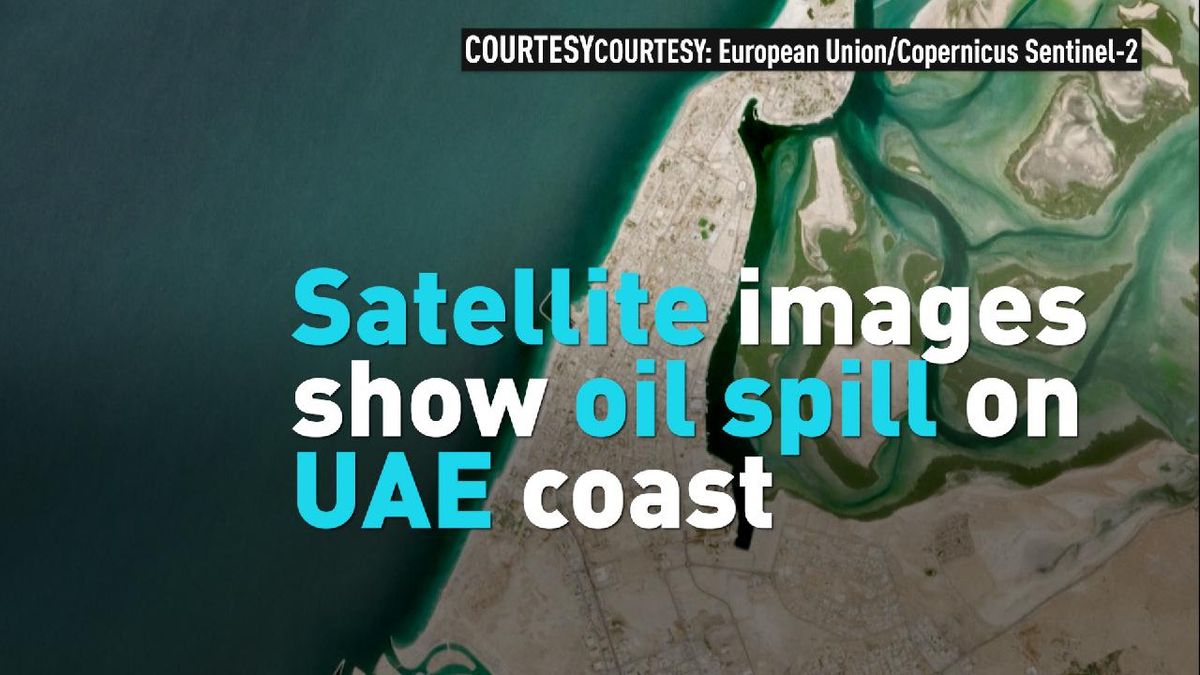
In early October 2026, a significant oil spill occurred off the shores of Umm Al Quwain, one of the northern emirates of the United Arab Emirates. Satellite imagery confirmed the widening slick, prompting UAE authorities to temporarily close all beaches and coastal areas around the city from October 23. While the official cause remains unconfirmed by UAE authorities, shipping sources indicated that the affected tanker, identified by experts as the Gem No.2, was struck by an “unidentified projectile.” This incident occurred amidst a documented increase in attacks on commercial vessels within Gulf waters, a trend linked by observers to the ongoing US- and Israeli-led conflict with Iran.
This oil spill, ostensibly an environmental disaster, is in fact a tangible manifestation of a deeper, often unseen struggle for power in the Middle East. The Gulf region, a global energy linchpin, has become a primary arena for a protracted shadow war, primarily between Iran and a coalition led by the United States and Israel. The mechanics at play are complex, involving economic leverage, military deterrence, and the strategic disruption of vital trade routes.
At its core, the conflict is about Iran's regional influence and its nuclear program, which the US and Israel aim to contain through sanctions, diplomatic isolation, and occasional covert actions. Iran, in turn, views these pressures as acts of aggression and responds by demonstrating its capacity to disrupt the flow of oil through the Strait of Hormuz and the wider Gulf. This is a classic asymmetric warfare strategy: targeting vulnerable points in the global economy to inflict costs on adversaries without engaging in direct, conventional warfare that Iran would likely lose.
The use of an “unidentified projectile” is a critical detail. It speaks to the deliberate ambiguity that characterizes this shadow war. For the aggressor, deniability is paramount; it allows them to inflict damage and send a message without crossing a clear red line that would necessitate a full-scale military response. For the victim, the lack of clear attribution complicates retaliation, preventing an immediate escalation that no party truly desires, yet keeping tensions simmering. This ambiguity serves as a controlled pressure valve, allowing for continued low-level conflict without triggering a regional conflagration.
The UAE, a major oil producer, trade hub, and tourist destination, finds itself caught in the crossfire. Its economic prosperity and stability are directly threatened by such incidents. While it maintains strong security ties with the US, the UAE also seeks to de-escalate regional tensions and protect its vital infrastructure. Its response to the spill, focusing on environmental containment and assessment rather than immediate attribution, reflects this delicate balancing act. The UAE must project an image of stability to attract investment and tourism, even as its waters become a battleground.
For global energy markets, the Gulf is indispensable. The constant threat to shipping in these waters translates into higher insurance premiums for vessels, increased operational costs for oil companies, and ultimately, greater volatility in global oil prices. Every incident, whether a spill or a direct attack, adds a layer of risk to the intricate global supply chain, impacting economies far beyond the region.
While the headlines focus on geopolitical rivalries and strategic maneuvers, the immediate and long-term consequences of incidents like the Umm Al Quwain oil spill are borne by ordinary people and the fragile ecosystems they depend on. The human cost is often obscured by the language of power politics, but it is deeply felt on the ground.
For the residents of Umm Al Quwain and neighboring coastal communities, the oil spill is not an abstract geopolitical event; it is a direct threat to their way of life. Fishermen, whose livelihoods depend on healthy marine ecosystems, face immediate economic losses as fishing grounds are contaminated and catches become unsafe. The closure of beaches, while necessary for cleanup, devastates the local tourism industry, impacting hotels, restaurants, and small businesses that rely on coastal visitors. Beach vendors, tour operators, and countless service workers experience a sudden loss of income, pushing many into financial precariness. These are the individuals who bear the direct economic brunt of decisions made by powerful actors far removed from their daily struggles.
The environmental toll is profound and long-lasting. Oil spills suffocate marine life, from microscopic plankton to large fish, turtles, and seabirds. Coral reefs, vital nurseries for countless species and critical for coastal protection, are highly vulnerable to oil contamination, which can bleach and kill them. The UAE's coastline also features extensive mangrove forests, crucial carbon sinks and habitats, which are particularly susceptible to oiling. Beyond the immediate deaths, oil can persist in sediments and food chains for years, leading to chronic health problems for marine organisms and disrupting the entire ecosystem. Furthermore, the UAE relies heavily on desalination plants for its fresh water supply; an oil slick near intake pipes poses a severe risk to essential public utilities, threatening the availability of potable water for millions.
Beyond the immediate physical and economic impacts, the constant threat of such incidents fosters a pervasive sense of anxiety and insecurity among the region's populations. Living in an environment where vital infrastructure can be targeted by “unidentified projectiles” creates a climate of fear. This psychological burden, though harder to quantify, erodes public trust and stability, making long-term planning difficult for individuals and businesses alike. The human cost extends to the constant vigilance, the worry for the future, and the silent acceptance of living on the edge of escalating conflict.
In the aftermath of an incident like the Umm Al Quwain oil spill, official statements and media narratives often present a carefully curated version of events. What remains unsaid, downplayed, or framed away by powerful actors often reveals more about the true power dynamics and underlying agendas.
The most striking omission is the lack of definitive attribution for the “unidentified projectile.” While shipping sources quickly pointed to an attack, neither the UAE nor international bodies have publicly named a perpetrator. This silence is strategic. For the presumed aggressor, likely Iran or an affiliated proxy, deniability is crucial to avoid direct military retaliation and maintain the ambiguity that allows the shadow war to continue. For the US and Israel, publicly attributing the attack to Iran would force a more robust response, potentially escalating the conflict beyond their desired scope. For the UAE, a clear accusation could draw it deeper into a conflict it wishes to navigate cautiously. This collective ambiguity, while preventing immediate escalation, perpetuates a cycle of low-level aggression where accountability is elusive, and the true costs are distributed widely.
While UAE authorities have not officially confirmed the cause, shipping sources and experts believe an oil tanker, likely the Gem No.2, was struck by an 'unidentified projectile' in early October 2026.
Local communities in Umm Al Quwain, including fishermen and tourism workers, face immediate economic losses. The spill also severely impacts marine life, coral reefs, mangroves, and potentially the UAE's critical desalination plants.
Attacks on commercial vessels in Gulf waters have risen due to the ongoing shadow conflict between Iran and a coalition led by the US and Israel. These incidents are often part of a strategy to exert economic pressure and demonstrate regional influence without triggering direct military confrontation.
Editor's Note: The analysis is based on the provided raw intelligence, contextualized with broader geopolitical understanding of the Gulf region's conflicts and power dynamics. The 'unidentified projectile' aspect is key to the analysis of the shadow war.
Source referenced: CGTN
This brief was synthesized by our Editorial Engine and reviewed by The Ground Narrative team.


