TRENDING

Thursday, 12 November 2026
----------------------
2 Jumada Al-Thani 1448 AH
A sentinel’s sharp reprimand of Pete Hegseth at Arlington sparked a debate over military decorum and policy accountability. The episode shines a light on who benefits from the current defense agenda and who pays the price.
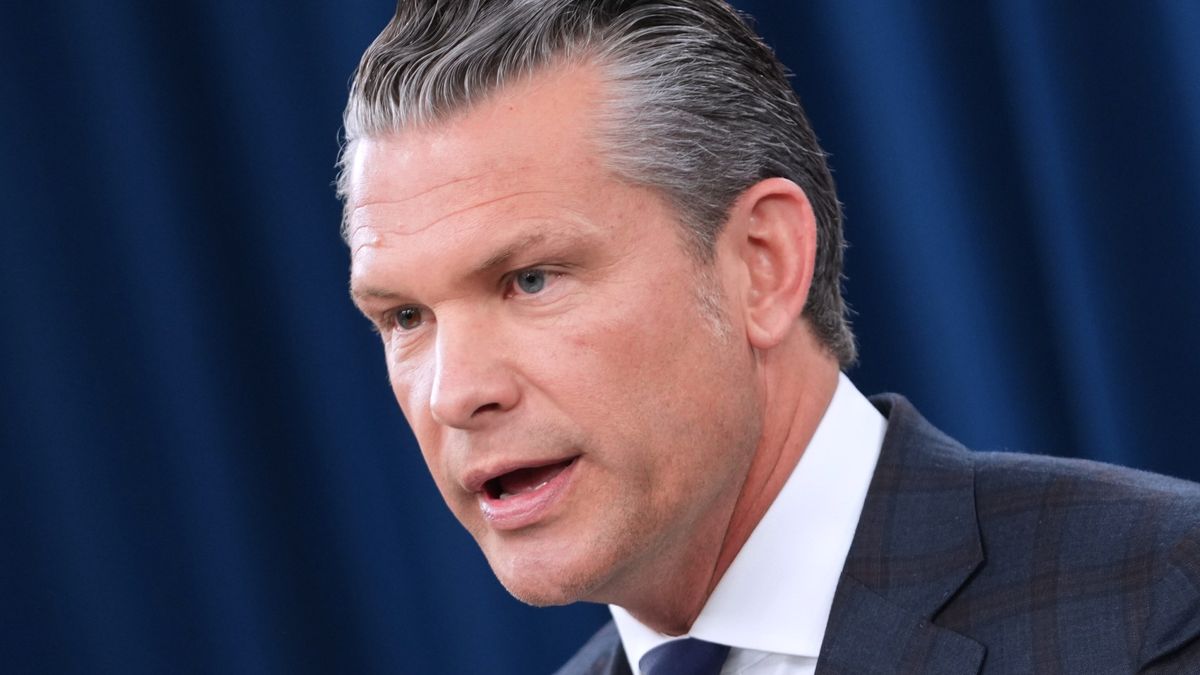
On Veterans Day, Pete Hegseth, the U.S. Defense Secretary, toured the Tomb of the Unknown Soldier with a small entourage. While the group paused for photos, laughter broke the solemn atmosphere. An Army sentinel from the Old Guard stepped forward, raised his voice, and demanded silence, reminding the visitors that "all visitors will maintain an atmosphere of silence and respect at all times." The clip quickly spread across social platforms, prompting official statements and a wave of public commentary.
The incident is more than a breach of protocol; it sits at the intersection of institutional authority, political survival, and policy ambition. Donald Trump’s administration has positioned the Defense Department as a frontline of cultural and geopolitical assertiveness. Hegseth’s recent push for a unilateral strike campaign against Iran, without congressional approval, illustrates a broader trend of executive overreach. By framing military actions as necessary for national security, the secretary garners support from hawkish lawmakers and defense contractors who profit from expanded budgets and new weapons contracts. At the same time, the guard’s admonition reflects the military’s internal code, a tradition that predates any political agenda. The Old Guard’s role is to preserve the symbolic purity of national sacrifice, a duty that can clash with a cabinet member whose public persona often celebrates aggressive posturing. The power calculus therefore involves: - The Pentagon’s desire to project decisive leadership; - Congressional factions weighing impeachment threats against party loyalty; - Defense industry lobbyists eyeing continued funding; - The military’s own institutional legitimacy, which depends on public reverence for its rituals.
The Tomb stands as a collective memory for families who lost loved ones in wars ranging from World War I to recent conflicts. When the sanctity of that space is perceived as compromised, it can feel like a betrayal of the sacrifices made by those families. The laughter captured in the video resonated as a painful reminder that political theater sometimes eclipses personal grief.
Hegseth’s policy choices—particularly the unauthorized Iran campaign and the aggressive anti‑drug strikes in the Caribbean and Pacific—have direct consequences for troops deployed abroad. Extrajudicial strikes increase the risk of civilian casualties, which in turn fuels anti‑U.S. sentiment and endangers soldiers who must operate in hostile environments. Moreover, the push to ban transgender service members and impose testosterone testing creates an additional layer of exclusion, affecting morale and unit cohesion.
Legal scholars have labeled the Caribbean anti‑drug operations as a series of unlawful killings. Communities in coastal Central America and the Pacific face heightened insecurity, loss of livelihood, and the trauma of sudden violence. The ripple effect includes displaced families, disrupted economies, and a growing distrust of U.S. intervention.
Official Pentagon spokespeople quickly framed the sentinel’s reaction as a "correct" enforcement of protocol, while simultaneously emphasizing Hegseth’s respect for the military. This dual messaging attempts to isolate the guard’s conduct from the broader controversies surrounding the secretary’s tenure. By focusing on decorum, the administration diverts attention from the substantive policy debates about war powers and civil‑rights rollbacks.
While Republicans in the House rallied to block impeachment articles, the internal calculus includes concerns about electoral fallout. A high‑profile rebuke of a cabinet member could energize opposition voters, especially veterans who feel their symbols are being disrespected. The party’s decision to protect Hegseth is therefore less about legal merit and more about preserving a fragile coalition ahead of upcoming elections.
Major defense contractors have remained largely silent in public statements about the incident, but internal lobbying efforts have intensified. The industry benefits from the very policies Hegseth champions—expanded strike capabilities, new surveillance platforms, and increased procurement for border‑security operations. By keeping the focus on a moment of perceived disrespect, they avoid scrutiny of the profit streams tied to the secretary’s agenda.
The guard’s reprimand may seem like a fleeting footnote, but it signals deeper fault lines. Observers should monitor: - Any congressional hearings that link the Tomb incident to broader questions of executive war powers; - Shifts in Pentagon messaging that either downplay or amplify the importance of military tradition in policy debates; - Reactions from veteran advocacy groups, which could mobilize around the symbolism of the Tomb to pressure lawmakers; - The trajectory of Hegseth’s policy initiatives, especially any moves to formalize the Iran strike plan or expand anti‑drug operations without congressional oversight. The next few weeks will reveal whether this moment remains a viral clip or becomes a catalyst for substantive accountability.
---
*The Ground Narrative* continues to track how symbols of national sacrifice intersect with the real‑world decisions that affect soldiers, civilians, and the political elite.
The sentinel from the Old Guard is tasked with preserving the solemnity of the Tomb. He intervened because the entourage’s laughter violated the strict decorum required at the site.
It highlights the tension between Hegseth’s aggressive defense agenda and traditional military values, underscoring how his political survival is linked to both policy wins and public perception.
Source referenced: ALJAZEERA
This brief was synthesized by our Editorial Engine and reviewed by The Ground Narrative team.


