TRENDING

Monday, 5 October 2026
----------------------
24 Rabi' Al-Thani 1448 AH
Two people have died and hundreds were evacuated as wildfires swept through the Greek island of Salamis, near Athens. The disaster is a stark reminder of the human cost of climate change, which is exacerbating wildfires in the region. As the country struggles to contain the blazes, it's essential to examine the power dynamics at play and the untold stories behind the headlines.
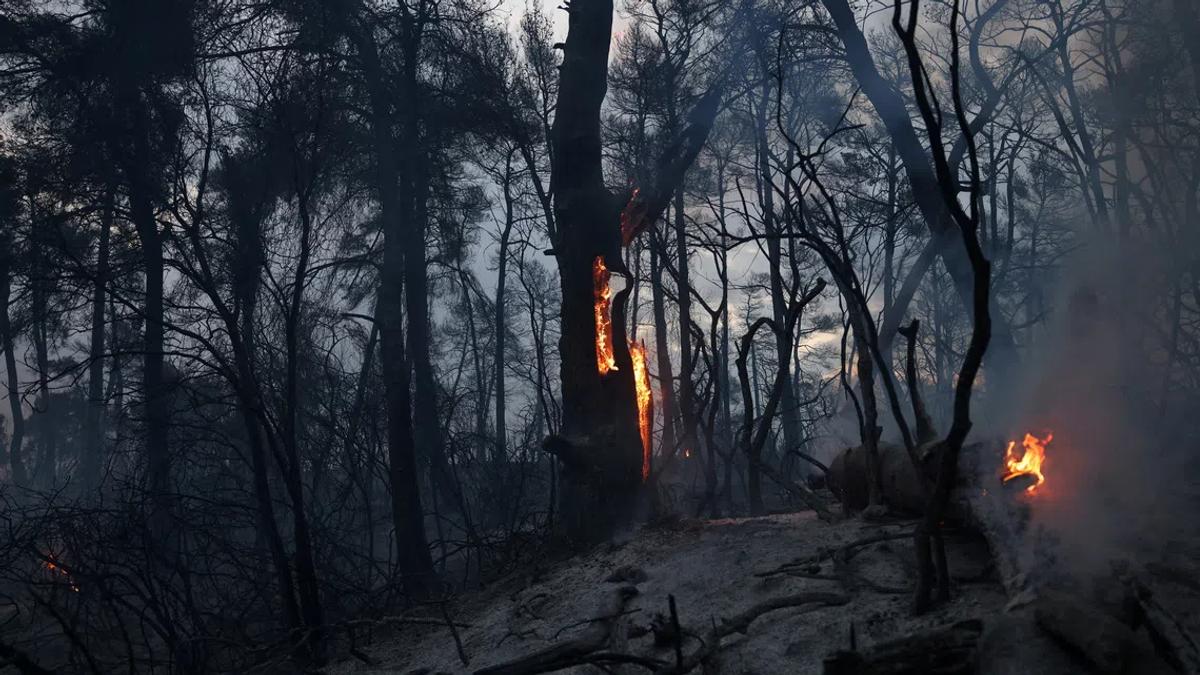
A devastating wildfire broke out on the Greek island of Salamis, near Athens, resulting in two deaths and the evacuation of hundreds. The fire department deployed a significant force to combat the blaze, including 200 personnel, 50 engines, aircraft, helicopters, and vessels. The incident is part of a larger pattern of wildfires that have been sweeping through Greece since late July, fueled by strong winds and a heatwave.
The Greek government is facing intense pressure to respond to the crisis, with the country's civil protection ministry issuing evacuation orders and mobilizing resources to combat the fires. However, the underlying causes of the wildfires, including climate change and drought, are more complex and require a coordinated international response. The European Union has a critical role to play in supporting Greece and other affected countries, but the bloc's efforts have been hindered by internal divisions and a lack of cohesion.
The people of Salamis, many of whom are elderly, are bearing the brunt of the disaster. The island's residents have been forced to evacuate their homes, and some have suffered severe burns. The economic impact of the wildfires will also be significant, with the tourism industry, a crucial sector for the Greek economy, likely to be affected. Furthermore, the disaster has highlighted the vulnerability of Greece's infrastructure and the need for more effective disaster preparedness and response measures.
What is being downplayed in the official narrative is the role of climate change in exacerbating the wildfires. While the Greek government has acknowledged the link between climate change and the increased risk of wildfires, more needs to be done to address the root causes of the problem. The international community must also recognize the disproportionate impact of climate change on vulnerable communities, such as the elderly and low-income households, and provide targeted support to these groups.
As the situation in Greece continues to unfold, it's essential to monitor the government's response to the crisis and the effectiveness of its disaster preparedness measures. The international community must also be vigilant in providing support to affected countries and addressing the underlying causes of climate change. In the coming weeks and months, readers should watch for updates on the Greek government's efforts to rebuild and recover from the disaster, as well as the EU's response to the crisis and its implications for regional climate policy.
Editor's Note: The analysis is based on publicly available information and may not reflect the full complexity of the situation on the ground.
Source referenced: STRAITSTIMES
This brief was synthesized by our Editorial Engine and reviewed by The Ground Narrative team.


