TRENDING

Monday, 5 October 2026
----------------------
24 Rabi' Al-Thani 1448 AH
A devastating wildfire is sweeping through Greece's Halkidiki peninsula, forcing tourists to flee and highlighting the country's vulnerability to climate change. As the region struggles to contain the blaze, the human cost and power mechanics behind this disaster are coming into focus.
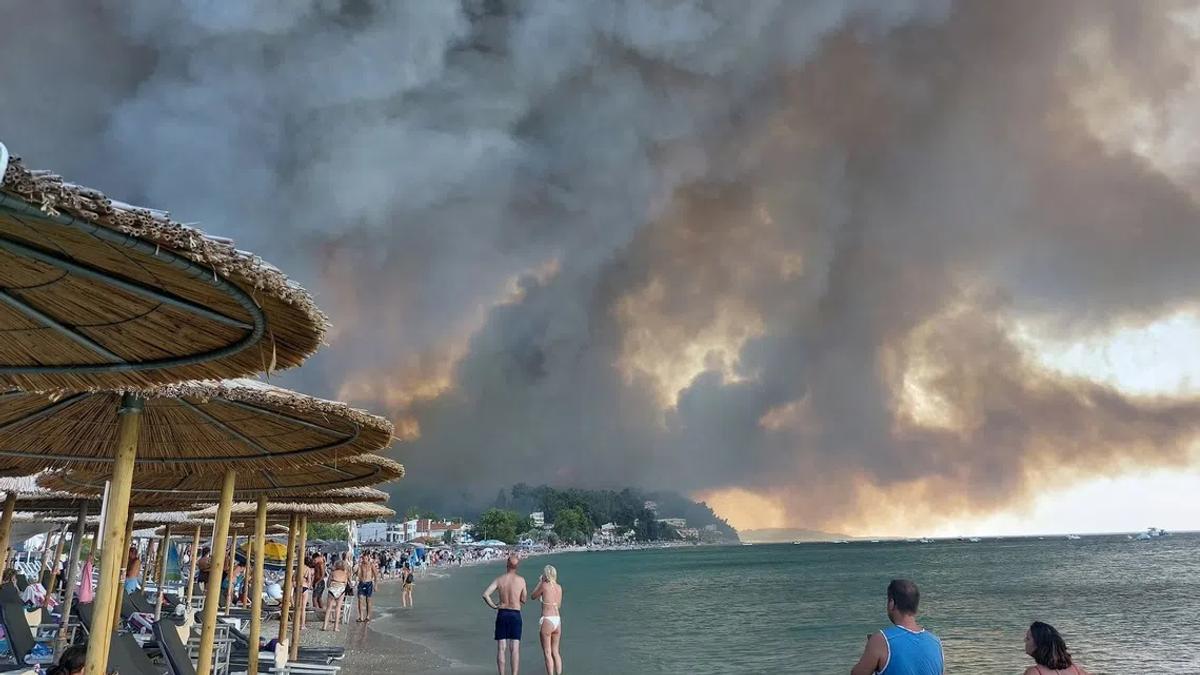
A massive wildfire is raging across Greece's Halkidiki peninsula, threatening popular resorts and forcing tourists to evacuate. The fire, fueled by strong winds and dry conditions, has already injured two firefighters and destroyed significant portions of the region's pine forests.
Greece's susceptibility to wildfires is not a new phenomenon, but the increasing frequency and severity of these events are. Human-fueled climate change has created a perfect storm of droughts, heatwaves, and extreme weather patterns, making the country's forests more prone to ignition. The Greek authorities' decision to issue a maximum five alert for fires and ban public access to the region's pine forests is a clear indication of the government's awareness of the risks. However, the fact that these measures were not enough to prevent the current disaster raises questions about the effectiveness of the country's disaster preparedness and response strategies.
The people most affected by this disaster are the tourists who were forced to flee the resorts, often with limited notice and in chaotic conditions. Families with children were among those evacuated by sea, highlighting the human cost of this crisis. The region's residents, including homeowners like Sophia, are also bearing the brunt of the disaster, watching as flames engulf their homes and communities. The economic impact on the local tourism industry, a significant contributor to Greece's economy, will likely be substantial.
What is being downplayed in the official narrative is the role of climate change in exacerbating these wildfires. While the Greek authorities are acknowledging the risks posed by human-fueled climate change, the international community's response to this crisis has been relatively muted. The fact that Greece is not alone in facing these challenges – Europe is experiencing its fifth heatwave this summer – suggests a broader, more systemic issue that requires a coordinated response. The lack of investment in climate resilience and disaster preparedness in countries like Greece is a critical factor in the human cost of these disasters.
As the situation in Halkidiki continues to unfold, readers should watch for updates on the fire's containment and the government's response to the crisis. The long-term impact on the local economy and the effectiveness of the country's disaster preparedness strategies will also be crucial in determining the full extent of this disaster. Furthermore, the international community's response to this crisis will be a key indicator of the global commitment to addressing the root causes of climate change and supporting vulnerable countries like Greece.
Editor's Note: The analysis is based on publicly available information and may not reflect the full complexity of the situation on the ground.
Source referenced: STRAITSTIMES
This brief was synthesized by our Editorial Engine and reviewed by The Ground Narrative team.


