TRENDING

Monday, 5 October 2026
----------------------
24 Rabi' Al-Thani 1448 AH
A diplomatic dispute has erupted between Ghana and South Africa following the death of a Ghanaian national, with Accra attributing it to anti-immigrant protests while Pretoria vehemently denies the claim. The incident exacerbates long-standing tensions surrounding irregular migration and xenophobia in South Africa, straining inter-African relations.
A significant diplomatic row has emerged between Ghana and South Africa, two prominent African nations, following the death of a Ghanaian national in South Africa. The dispute centers on conflicting accounts regarding the circumstances of the death, set against a backdrop of heightened anti-immigrant sentiment and protests across South Africa. This incident, reported around July 3, 2026, underscores the persistent challenges of irregular migration, xenophobia, and the complexities of inter-African relations.
Ghana's Foreign Ministry formally protested to the South African government, asserting that 40-year-old Bashiru Isak was shot dead during anti-immigrant demonstrations in Cape Town's Khayelitsha township. Accra's stance suggests a direct link between the fatality and the ongoing unrest targeting foreign nationals, prompting concerns for the safety of its citizens residing in South Africa.
Conversely, South Africa has vehemently rejected Ghana's allegations, labeling them as "factually incorrect." Justice Minister Mmamoloko Kubayi stated that no fatalities were recorded during the protests and criticized Ghanaian authorities for spreading what she termed "false information" and portraying South Africa as xenophobic through misinformation. Foreign affairs spokesperson Chrispin Phiri further admonished Ghana for releasing unverified information without prior diplomatic consultation. South African police investigations suggest a different narrative, indicating that a 35-year-old Ghanaian man was shot during an attempted extortion at a barbershop on Monday (June 30, 2026), with details differing from those provided by Ghana.
This latest dispute is not an isolated incident but rather a symptom of deeper, systemic issues. South Africa has a well-documented history of xenophobic violence, particularly against migrants from other African countries, who are often accused of taking jobs and contributing to crime. This historical context lends gravity to Ghana's claims and places South Africa under intense scrutiny regarding its handling of foreign nationals and its commitment to regional solidarity.
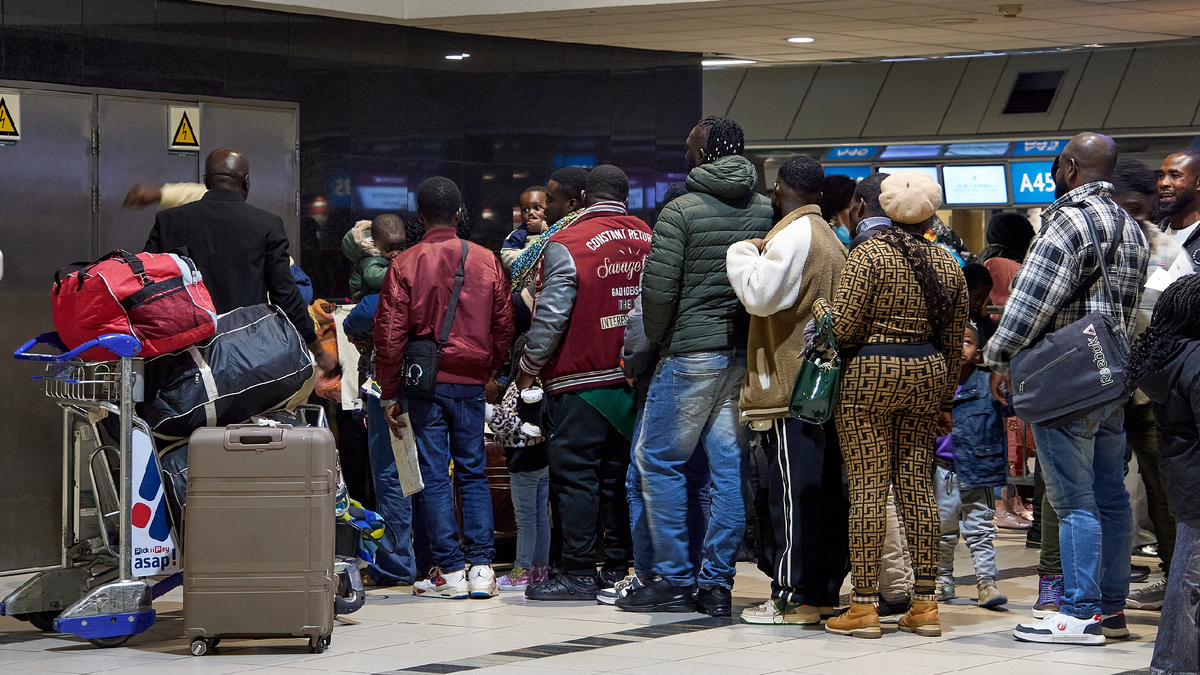
The recent weeks leading up to this incident saw a significant escalation of anti-immigrant tensions in South Africa. Nationwide protests erupted on Tuesday (July 1, 2026), following an unofficial June 30 deadline for undocumented foreigners to leave the country. This deadline, though unofficial, highlights the organized nature of some anti-immigrant movements and the pressure on the South African government to address public concerns about irregular migration. In response to these security concerns, over 25,000 foreign nationals have reportedly left South Africa in recent weeks, with several African governments, including Ghana, repatriating their citizens.
From a geopolitical perspective, this dispute strains relations between two key players in African diplomacy and economics. Ghana, a stable democracy with a growing economy, and South Africa, a regional powerhouse, are both influential voices in continental affairs. A prolonged diplomatic spat could undermine efforts towards greater African integration and cooperation, potentially impacting trade, investment, and regional security initiatives. The accusation of xenophobia, particularly when leveled by another African nation, is damaging to South Africa's international standing and its aspirations for leadership on the continent.
The incident also brings to the forefront the complex challenges associated with intra-African migration. While migration can be a driver of economic growth and cultural exchange, irregular migration often leads to social tensions, particularly in countries facing high unemployment and economic inequality. Host nations grapple with balancing humanitarian concerns, national security, and the demands of their own citizens.
South Africa's insistence on the factual inaccuracy of Ghana's claims and its criticism of Ghana's diplomatic conduct underscore its assertion of national sovereignty in managing internal affairs and controlling the narrative surrounding its domestic challenges. However, the broader issue of protecting human rights and ensuring the safety of all residents, regardless of their immigration status, remains a critical concern for the international community and regional bodies like the African Union.
Moving forward, a diplomatic resolution will be crucial to de-escalate tensions. This would likely involve transparent investigations into the death of Bashiru Isak, open communication channels, and potentially a re-evaluation of migration policies and public awareness campaigns to combat xenophobia in South Africa. The incident serves as a stark reminder of the delicate balance required to manage migration flows while upholding human dignity and fostering harmonious inter-state relations on the African continent.
Source referenced: CGTN
This brief was synthesized by our Editorial Engine and reviewed by The Ground Narrative team.


