TRENDING

Sunday, 25 October 2026
----------------------
14 Jumada Al-Awwal 1448 AH
Germany has significantly increased arms export licenses to Israel, totaling nearly €800 million in the first five months of 2026, with a substantial portion allocated to a potentially nuclear-capable submarine. This surge highlights the complex interplay of long-standing strategic alliances, economic drivers, and evolving geopolitical landscapes amidst regional conflicts.
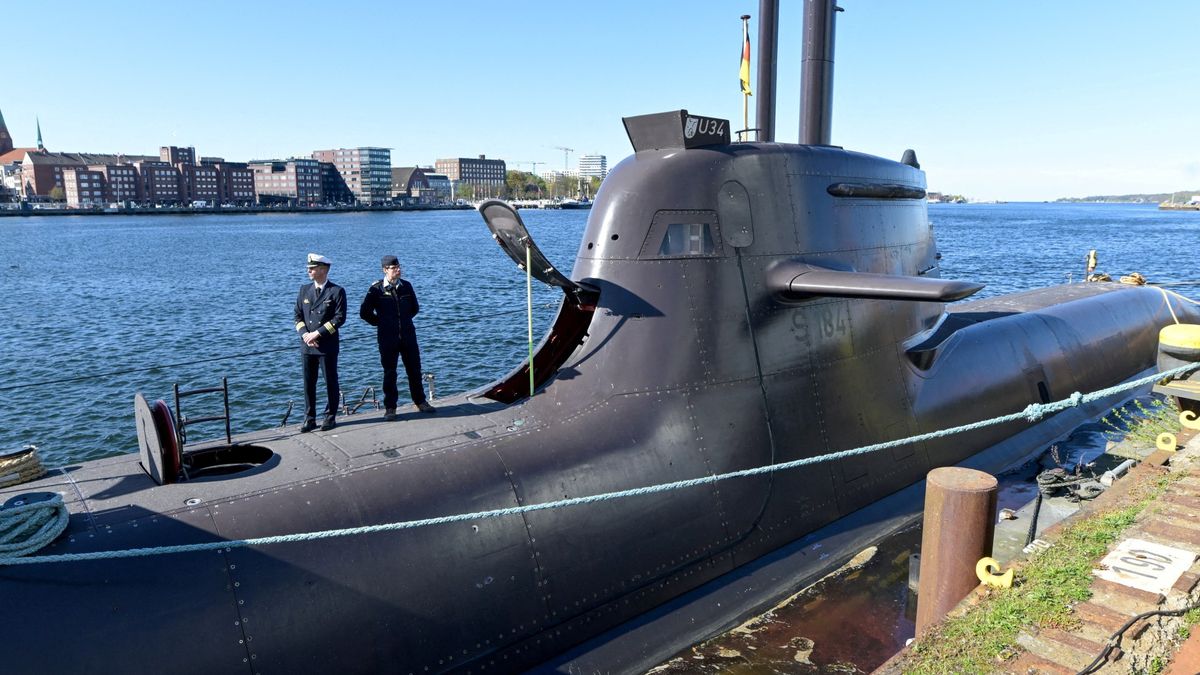
Germany has dramatically escalated its arms export approvals to Israel, sanctioning nearly €800 million ($913 million) in licenses during the first five months of 2026. This figure surpasses the total value of approvals from the preceding 20 months combined, with the majority cleared in April and May. This significant increase, confirmed by the German government in response to a parliamentary inquiry, underscores a complex geopolitical dynamic, balancing historical alliances, economic interests, and international scrutiny amidst the ongoing conflict in Gaza.
A substantial portion of these approvals, over 60 percent of the total value, is earmarked for an unnamed "major maritime project." Analysts widely identify this as the INS Drakon, a Dolphin II-class submarine manufactured by the German firm TKMS. The INS Drakon, which underwent its maiden voyage last year and was recently handed over to the Israeli Navy, is estimated to be worth €480 million ($548 million). Reports suggest this advanced submarine could feature a Vertical Launching System (VLS), a capability that would enable it to launch nuclear-tipped cruise or ballistic missiles. If confirmed, Israel would become only the second navy globally, after South Korea, to operate a conventionally powered, air-independent propulsion (AIP) submarine equipped with a VLS.
Strategically, a VLS-equipped submarine provides a critical sea-based second-strike capability. This refers to a nation's ability to retaliate with nuclear weapons even after enduring a first nuclear attack, thereby significantly enhancing its deterrence posture. For Israel, this capability would reinforce its perceived qualitative military edge in a volatile region, potentially altering the strategic balance of power in the Middle East. The secrecy surrounding the submarine's configuration during sea trials, with its tower covered, further highlights the sensitive nature of its potential armaments.
The surge in arms exports comes despite the German government's stated concerns regarding the humanitarian situation in Gaza and a notable shift in German public opinion, which has largely turned against arms exports to Israel. Germany's policy has been marked by reversals; an announced suspension of licenses for equipment usable in Gaza in early August was short-lived, with restrictions lifted by November. This suggests a tension between ethical considerations, international legal proceedings (such as those at the International Court of Justice), and deeper strategic and economic imperatives.
Economically, Germany's defense industry is experiencing a boom. In the first six months of 2026, Germany granted arms export licenses worth €13.87 billion ($15.8 billion), more than four times the amount in the same period of 2025. While Ukraine remains the primary recipient, the overall increase reflects a broader trend. Experts like Max Mutschler of the Bonn International Centre for Conflict Studies note that arms exports are often viewed by federal governments primarily from an economic perspective, strengthening the defense industry. This is particularly pertinent as Germany's export-reliant economy faces challenges, making the booming defense sector a significant contributor.
Pieter D Wezeman, a senior researcher at the Stockholm International Peace Research Institute, highlights a global trend of increasing arms demand, particularly in Europe following Russia's invasion of Ukraine. Germany itself is set to significantly increase its military spending, aiming for 3.5 percent of its GDP, making it the largest military spender in Europe (excluding Russia) and a core component of the European military-industrial base. This economic calculation appears to heavily influence Berlin's arms export policy, even when confronted with human rights concerns.
The long-standing nature of these deals, with the submarine order dating back to 2012, indicates a consistent strategic partnership between Germany and Israel. Germany also contributes to the financing of these vessels, covering approximately 30 percent of the costs for the Drakon and a third for future Dakar-class submarines. This financial commitment further solidifies the strategic bond.
However, the exports have drawn sharp criticism. Ruth Rohde from Shadow World Investigations argues that these exports provide Israel with "another tool in its arsenal of mass destruction" amidst the conflict in Gaza. Critics also point to a lack of transparency surrounding these exports, making it difficult to fully assess their implications. Furthermore, submarine deals with Germany have been subject to bribery allegations involving close associates of Israeli Prime Minister Benjamin Netanyahu, adding another layer of controversy.
In conclusion, Germany's substantial increase in arms exports to Israel, particularly the advanced submarine project, reflects a multifaceted policy driven by historical commitments, robust economic interests, and a strategic desire to support a key ally. This policy navigates a complex landscape of international relations, regional stability concerns, and domestic ethical debates, underscoring the intricate balance nations must strike in their foreign and defense policies.
Source referenced: ALJAZEERA
This brief was synthesized by our Editorial Engine and reviewed by The Ground Narrative team.