TRENDING

Sunday, 25 October 2026
----------------------
14 Jumada Al-Awwal 1448 AH
Gaza faces an alarming surge in premature births and infant mortality, a direct result of the ongoing conflict, siege, and the systemic collapse of its healthcare infrastructure. This humanitarian catastrophe underscores the profound geopolitical implications of sustained conflict on civilian populations and future generations.
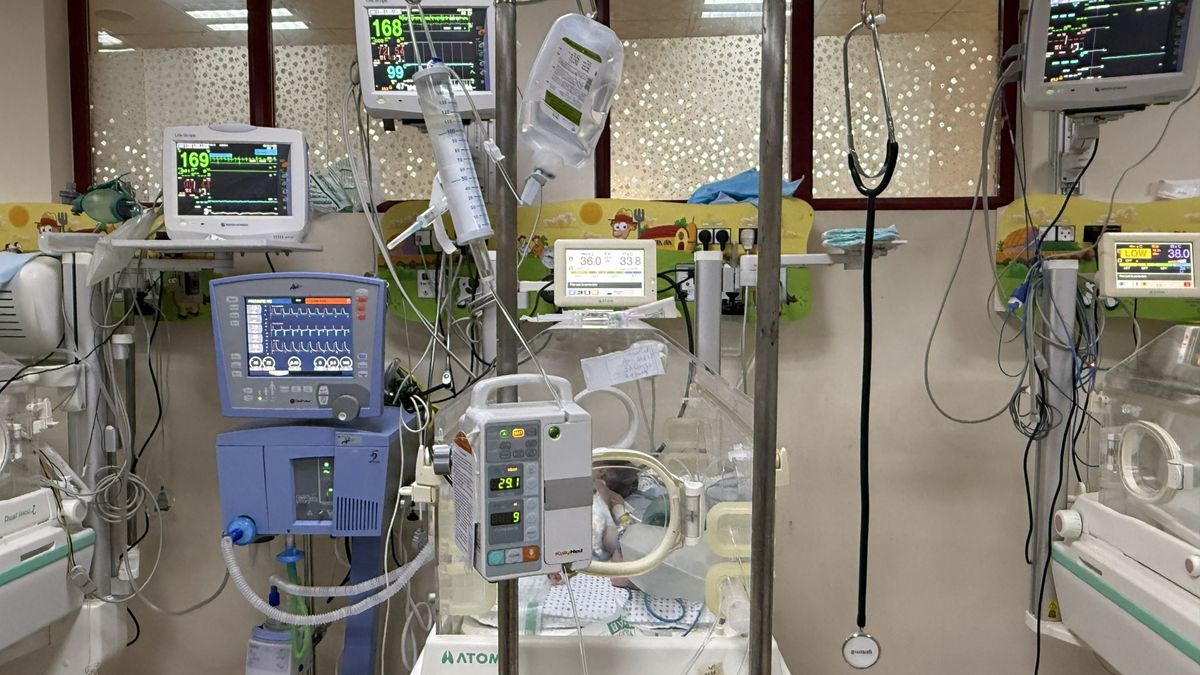
The Gaza Strip is grappling with a profound humanitarian crisis, marked by a dramatic surge in premature births, underweight newborns, stillbirths, and congenital defects. This escalating health emergency, directly linked to the ongoing conflict and the protracted siege, underscores the devastating human cost of geopolitical strife and the systemic collapse of essential services in the enclave.
Since October 7, 2023, Gaza has witnessed an alarming increase in adverse birth outcomes. Medical professionals, including Dr. Afnan Abu Hasaballah, an obstetrician and gynecologist working with UNRWA and Al-Awda Health Hospital, attribute this dire trend to a confluence of conflict-induced factors. Maternal malnutrition, stemming from severe food shortages, is a primary driver. Pregnant women are unable to access sufficient or balanced nutrition, directly impacting fetal development and increasing the risk of premature birth and low birthweight. Furthermore, prolonged psychological stress from constant displacement, bombardment, and the pervasive fear of violence significantly contributes to complications during pregnancy.
Critically, drastically diminished access to prenatal care services exacerbates these issues. The Israeli siege on Gaza has severely restricted the entry of essential goods, including food, clean water, and vital medical supplies. This widespread deprivation directly impacts the physical and mental health of pregnant women, leading to a higher incidence of anemia, exhaustion, and pregnancy complications, all of which elevate the risk of premature births and infant morbidity.
The remaining healthcare infrastructure in Gaza is overwhelmed and on the brink of collapse. Al-Aqsa Martyrs Hospital in Deir el-Balah, the sole facility with a neonatal unit in central Gaza, faces immense pressure. It struggles with critical shortages of incubators, ventilators, essential medications, and basic medical supplies. Frequent power outages and fuel scarcity further jeopardize the lives of premature infants who are dependent on continuous medical support for survival. As Dr. Abu Hasaballah highlights, the unavailability of these resources dramatically increases the risk of serious complications, including breathing difficulties, infections, and low blood sugar, leading to preventable infant deaths.
This systemic failure means that many babies who could otherwise survive are lost due to a lack of fundamental care. The emotional toll on mothers, forced to witness their newborns transferred directly to intensive care units amidst the chaos of war, is immense, compounding the trauma of childbirth in a conflict zone.
This crisis extends beyond a mere health emergency; it represents a critical geopolitical concern with profound long-term implications. The conditions described raise serious questions about adherence to international humanitarian law, particularly regarding the protection of civilians, access to essential aid, and the responsibilities of parties to a conflict to ensure the well-being of populations under their control. The deliberate or indirect creation of conditions leading to such high rates of infant mortality and morbidity has profound consequences for the demographic and societal fabric of Gaza.
The crisis fuels regional instability, complicates diplomatic efforts for a lasting peace, and places immense strain on international humanitarian organizations like UNICEF and UNRWA, whose resources are stretched thin against overwhelming needs. The inability of families to secure basic post-discharge care, such as sterilization kits, baby formula, and clean water, further compounds the crisis, threatening the survival and healthy development of an entire generation. The long-term health and developmental challenges faced by surviving premature infants will place an enduring burden on an already devastated society, impacting future productivity, social cohesion, and the potential for recovery.
While organizations like Qutoof Al-Khair Foundation strive to provide vital nutritional supplements and medical supplies, their efforts are dwarfed by the scale of the crisis. The international community's response, though present, appears insufficient to mitigate the catastrophic health outcomes stemming from the conflict and siege. The ongoing challenges in delivering aid effectively underscore the complex interplay of political will, logistical hurdles, and security concerns in a war zone, highlighting the urgent need for unhindered humanitarian access and a more robust global intervention.
In conclusion, the plight of premature babies in Gaza serves as a stark indicator of the broader humanitarian catastrophe unfolding in the enclave. It highlights the urgent need for sustained humanitarian access, protection of healthcare facilities, and a resolution to the underlying conflict. The long-term consequences of this crisis, impacting the health and future of Gaza's children, will resonate for decades, making it a critical focus for global attention and diplomatic action.
Source referenced: ALJAZEERA
This brief was synthesized by our Editorial Engine and reviewed by The Ground Narrative team.