TRENDING

Monday, 5 October 2026
----------------------
24 Rabi' Al-Thani 1448 AH
Scorching summer temperatures are intensifying the humanitarian crisis in Gaza's displacement camps, with families in Khan Younis struggling without electricity, fans, or reliable water. This dire situation underscores the profound geopolitical implications of ongoing conflict, infrastructural collapse, and restricted aid access.
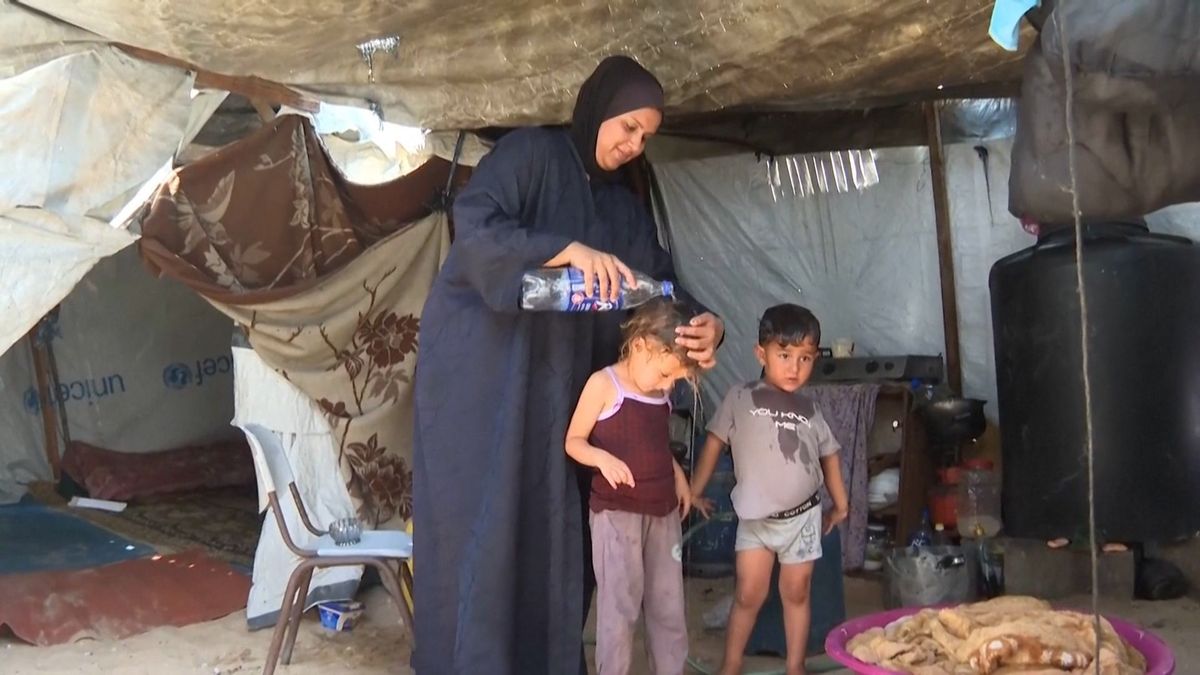
The Gaza Strip, a territory long grappling with the profound consequences of conflict and blockade, is currently facing a severe humanitarian crisis exacerbated by extreme summer temperatures. As of July 6, 2026, families displaced by ongoing hostilities and sheltering in makeshift tents in southern Gaza, particularly in Khan Younis, are struggling to survive without fundamental necessities such as electricity, fans, or reliable access to clean water. This dire situation underscores the complex interplay of geopolitical conflict, infrastructural collapse, and environmental challenges, with significant implications for regional stability and international humanitarian law.
The immediate impact of the scorching heat is felt most acutely by the hundreds of thousands of Palestinians who have been displaced from their homes and now reside in overcrowded, unsanitary displacement camps. These temporary shelters, often constructed from flimsy materials, offer little protection against the intense summer sun, with temperatures soaring to dangerous levels. The absence of electricity means no fans or air conditioning, making the tents unbearable during the day and offering little respite at night. Furthermore, the lack of reliable water sources not only poses a severe dehydration risk but also compromises hygiene, increasing the likelihood of waterborne diseases in an already vulnerable population. Children, the elderly, and those with pre-existing health conditions are particularly susceptible to heatstroke and other heat-related illnesses.
This immediate suffering is a direct consequence of systemic failures rooted in the protracted conflict. Years of hostilities have severely damaged or destroyed critical infrastructure, including power plants, water desalination facilities, and sewage systems. The ongoing blockade on Gaza further restricts the entry of essential materials needed for reconstruction and maintenance, preventing the restoration of basic services. Consequently, the population's ability to cope with predictable environmental challenges, such as summer heat, has been critically undermined, transforming a seasonal discomfort into a life-threatening ordeal.
The humanitarian catastrophe unfolding in Gaza is not merely a local issue but a significant geopolitical concern that reverberates across the Middle East and beyond. The conditions in the displacement camps highlight the broader failure to protect civilian populations in conflict zones and uphold international humanitarian law. Under these laws, all parties to a conflict have obligations to ensure the basic needs of civilians are met, and an occupying power, if applicable, bears primary responsibility for the welfare of the civilian population under its control. The severe deprivation in Gaza raises serious questions about the adherence to these principles by all involved actors.
The crisis also serves as a potent symbol in the ongoing Israeli-Palestinian conflict, fueling international condemnation and diplomatic pressure. Images of suffering civilians, particularly children, resonate globally, impacting public opinion and influencing the foreign policy stances of various nations. This humanitarian imperative often becomes a central point in calls for ceasefires, increased aid access, and a long-term political resolution. The inability to provide basic human dignity to the displaced population further complicates efforts towards peace and reconciliation, potentially fostering deeper resentment and radicalization among those who feel abandoned by the international community.
Moreover, the situation in Gaza places immense pressure on neighboring countries, particularly Egypt, which shares a border with the Strip. The potential for mass displacement into Egypt, or the destabilizing effects of a complete societal collapse in Gaza, are significant concerns for regional security. International aid organizations, already stretched thin, face immense logistical and political hurdles in delivering sufficient assistance, often navigating complex bureaucratic and security restrictions imposed by various authorities.
The long-term consequences of the current conditions are profound. A generation of children growing up in displacement camps, deprived of adequate nutrition, education, and healthcare, and exposed to extreme environmental stressors, faces severe developmental challenges. This trauma and deprivation can have lasting impacts on mental and physical health, educational attainment, and future economic prospects, perpetuating a cycle of poverty and instability. From a strategic perspective, such conditions can create a fertile ground for future unrest and extremism, making a durable peace even more elusive.
Addressing the crisis requires a multi-faceted approach that extends beyond immediate humanitarian relief. It necessitates a sustained political effort to achieve a lasting ceasefire, ensure unhindered humanitarian access, and facilitate the massive reconstruction of Gaza's infrastructure. Furthermore, any long-term solution must address the root causes of the conflict, including the political status of Gaza and the broader Israeli-Palestinian dispute, to prevent a recurrence of such catastrophic humanitarian situations. The international community's response to the suffering in Gaza, particularly in the face of escalating environmental challenges like extreme heat, will be a critical test of its commitment to humanitarian principles and global stability.
Source referenced: ALJAZEERA
This brief was synthesized by our Editorial Engine and reviewed by The Ground Narrative team.