TRENDING

Tuesday, 6 October 2026
----------------------
25 Rabi' Al-Thani 1448 AH
As Israel rejects the Gaza roadmap, the humanitarian crisis deepens, and the power struggle between Netanyahu and his allies intensifies. Meanwhile, the human cost mounts, with over 73,000 Palestinians killed since October 2023. The situation remains precarious, with both sides maneuvering for control.
The Israeli government has rejected the 15-point Gaza roadmap proposed by the US, citing concerns over Hamas' disarmament. This move has been accompanied by a decrease in violence, with the number of Palestinians killed in Gaza dropping sharply. However, the situation remains volatile, with Israeli forces still conducting operations in the territory.
The rejection of the Gaza roadmap is a calculated move by Netanyahu to appease his far-right allies while navigating the pressure from his US counterparts. The Israeli government is walking a fine line, trying to balance its relationships with its allies while maintaining control over the Gaza Strip. The involvement of international forces and the proposed construction of a temporary housing initiative in eastern Rafah are attempts to consolidate Israel's grip on the territory.
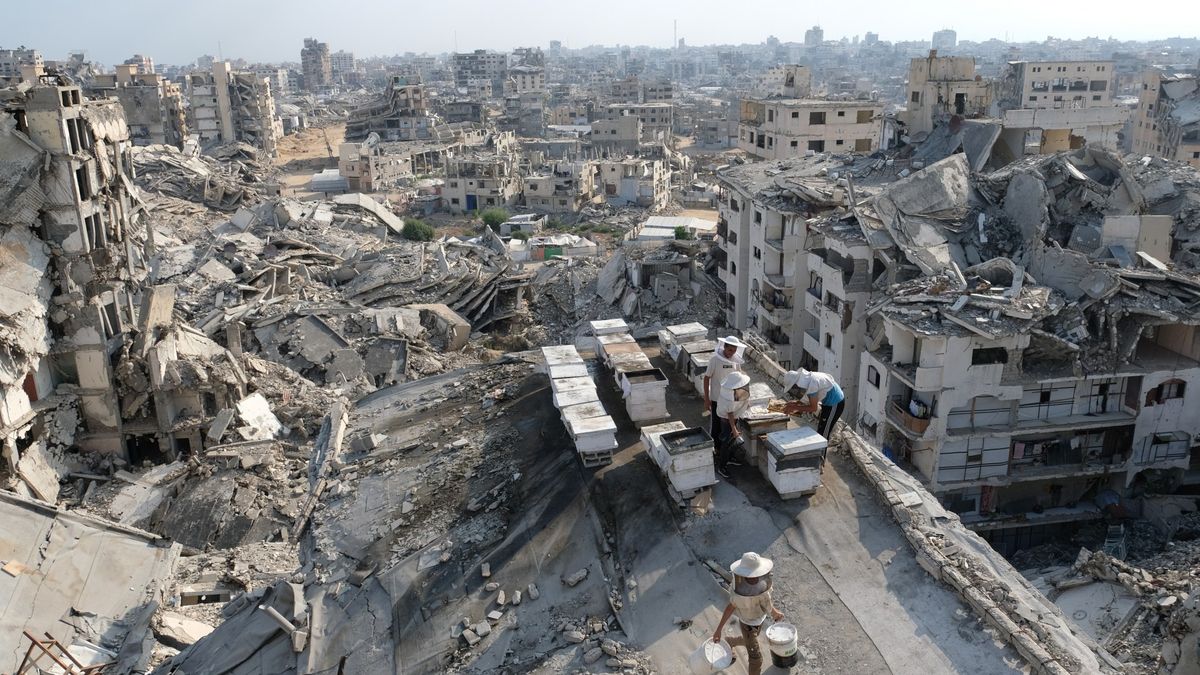
The people of Gaza continue to bear the brunt of the conflict, with over 73,000 killed and 174,000 wounded since October 2023. The recent recovery of 19 bodies, mostly women and children, from a collapsed building is a stark reminder of the humanitarian crisis unfolding in the territory. The blockade and restrictions on movement have exacerbated the suffering, with many Palestinians still missing under rubble.
What is being downplayed by powerful actors is the extent of the humanitarian crisis in Gaza and the West Bank. The international community is not doing enough to address the issue, and the Israeli government is using the rejection of the Gaza roadmap as a pretext to further entrench its control over the territory. The construction of new settlements and the expansion of existing ones are clear indications of Israel's intentions to consolidate its grip on the West Bank.
As the situation in Gaza and the West Bank continues to unfold, it is essential to watch for the next moves by the Israeli government and its allies. The construction of the temporary housing initiative in eastern Rafah and the proposed expansion of settlements in the West Bank will be crucial indicators of Israel's intentions. The international community must also be vigilant in its response to the humanitarian crisis, ensuring that the needs of the Palestinian people are addressed and that a lasting solution to the conflict is found.
Editor's Note: The analysis is based on publicly available information and may not reflect the full complexity of the situation on the ground.
Source referenced: ALJAZEERA
This brief was synthesized by our Editorial Engine and reviewed by The Ground Narrative team.