TRENDING

Saturday, 19 September 2026
----------------------
8 Rabi' Al-Thani 1448 AH
As children return to schools in Gaza, their parents grapple with the constant fear for their safety amidst ongoing violence. Meanwhile, the West Bank sees continued actions by Israeli settlers and soldiers, highlighting the enduring human cost of the conflict.
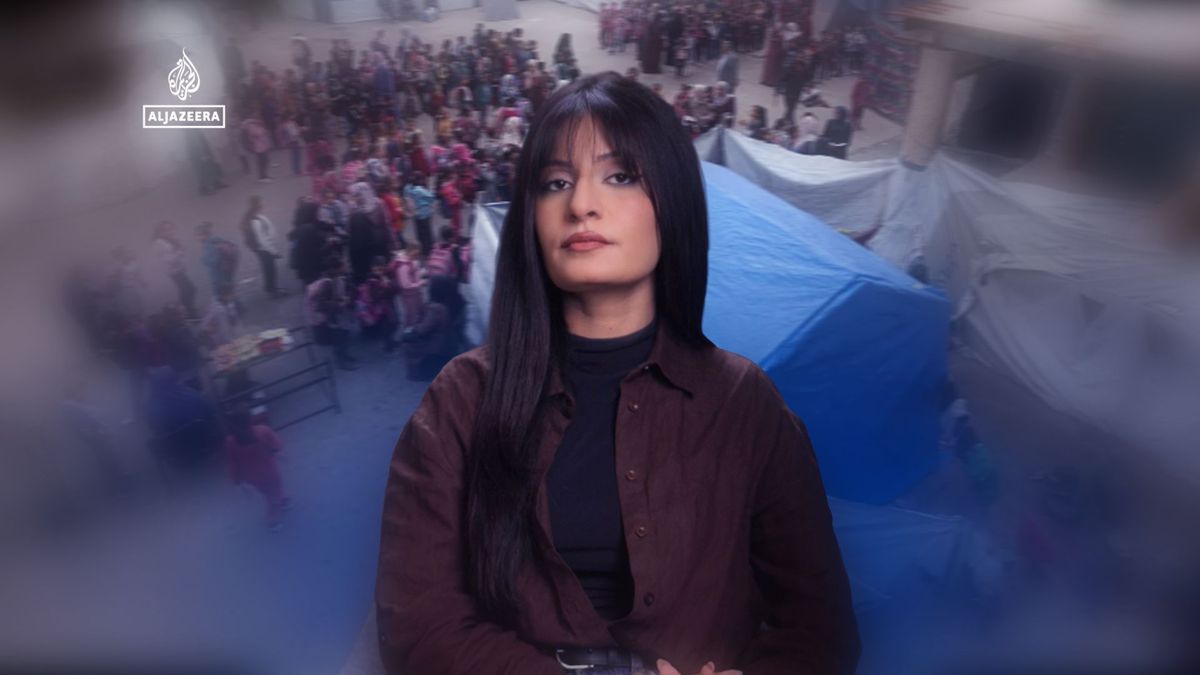
Children across Gaza have returned to school, marking the official start of a new academic year. For parents in the besieged territory, however, this annual milestone is overshadowed by a pervasive and profound anxiety: the fear that their children might not return home alive. This backdrop of daily life in Gaza is further complicated by reports of continued violence and actions by Israeli settlers and soldiers in the occupied West Bank.
Power in this context is starkly asymmetric. Israel maintains a comprehensive blockade on Gaza, controlling its borders, airspace, and sea access, effectively turning the strip into an open-air prison. This control dictates the flow of goods, people, and resources, profoundly impacting the daily lives of its two million residents. In the West Bank, Israeli military occupation and the expansion of settlements incrementally erode Palestinian land and sovereignty, creating a fragmented landscape where movement and daily routines are subject to military checkpoints and settler activity. For Palestinian factions, their power is largely derived from resistance, often leading to cycles of violence that further entrench the status quo. The international community, while often providing humanitarian aid, largely operates within the existing power structures, offering little in the way of a political solution that would fundamentally alter the dynamics of control and confinement.
The most acute human cost is borne by the children of Gaza and the West Bank. For them, childhood is not a sanctuary of innocence but a landscape of constant threat. The return to school, a universal symbol of hope and normalcy, is instead a daily gamble. They grow up witnessing violence, experiencing displacement, and living under conditions of extreme stress and deprivation. This environment fosters deep-seated trauma, impacting their psychological development, educational attainment, and future prospects. Parents, in turn, are forced to navigate an impossible choice: send their children to school, knowing the risks, or keep them home, denying them what little normalcy remains. Beyond the immediate physical dangers, the long-term cost is a generation scarred by conflict, struggling with mental health issues, and facing a future defined by limited opportunities and persistent instability.
What is routinely downplayed or omitted in official narratives is the normalization of this existential fear and the systemic nature of the conditions that perpetuate it. Governments and international bodies often focus on immediate escalations or humanitarian crises, but rarely address the underlying mechanisms of control and deprivation that make daily life a struggle for survival. The psychological toll of living under constant siege or occupation, the erosion of hope, and the slow, grinding destruction of civil society are often sidelined. Furthermore, the strategic objectives behind settlement expansion in the West Bank—to create irreversible facts on the ground and make a contiguous, viable Palestinian state impossible—are rarely framed as the deliberate political acts they are, but rather as isolated incidents or security responses. The international community's selective outrage and inconsistent application of international law also contribute to this silence, allowing the powerful to continue framing the conflict in terms that serve their own interests.
Readers should watch for several key indicators. Firstly, observe the frequency and intensity of violence in both Gaza and the West Bank, particularly around educational institutions or during daily commutes. Any significant escalation will further destabilize an already fragile situation. Secondly, monitor the international community's response: Will it move beyond humanitarian aid to exert meaningful political pressure for a lasting resolution, or will it continue to manage the conflict rather than resolve it? Thirdly, pay attention to internal Palestinian dynamics, including any shifts in governance or resistance strategies, which could impact the daily lives of civilians. Finally, the long-term impact on the mental health and educational outcomes of children in these areas will be a critical measure of the true human cost, shaping the future of the region for decades to come.
Source referenced: ALJAZEERA
This brief was synthesized by our Editorial Engine and reviewed by The Ground Narrative team.


