TRENDING

Tuesday, 6 October 2026
----------------------
25 Rabi' Al-Thani 1448 AH
Years after a declared famine, Gaza's children continue to suffer from chronic malnutrition, with warnings of another widespread food crisis looming. This analysis explores the systemic forces perpetuating scarcity and the silent human cost.
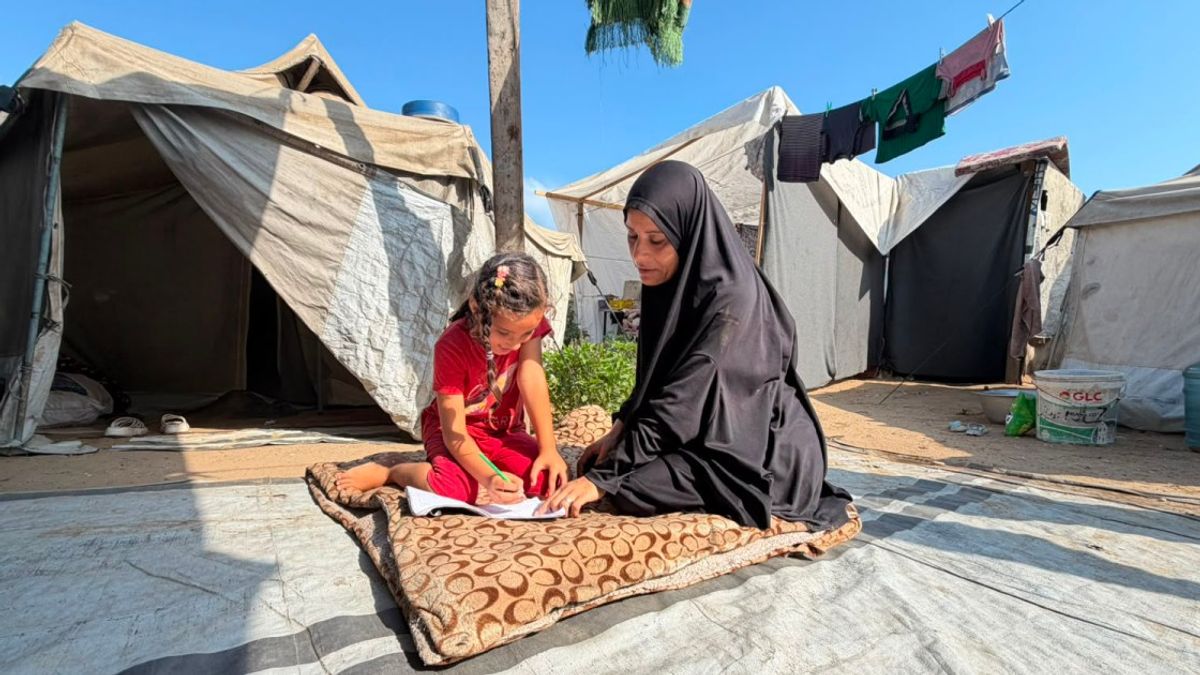
In central Gaza, families like Sahar al-Bardini's grapple daily with the specter of hunger, a struggle intensified by the memory of a famine that ravaged the region just last year. Despite a temporary reprieve, the United Nations Office for the Coordination of Humanitarian Affairs (OCHA) warns that 67 percent of Gaza’s population now faces severe food insecurity, with over 200,000 people living on the brink of another formal famine declaration. For children like Omar and Sama, who endured severe malnutrition in 2025, the long-term health consequences persist, making every meal a desperate effort to rebuild what was lost, while their parents navigate soaring food prices and limited access to vital nutrients.
This recurring food crisis is not a natural disaster; it is a direct outcome of a protracted geopolitical struggle. Israel's long-running siege on Gaza, coupled with ongoing military operations and the destruction of civilian infrastructure, systematically restricts the flow of goods, including essential foodstuffs and humanitarian aid. This control over borders and access points dictates what enters the strip, often leading to artificial scarcity and inflated prices for the few items that make it through. The rejection of international peace plans, as recently seen with proposals like the 'Gaza Board of Peace,' further illustrates a persistent political impasse where the fundamental needs of the population are secondary to strategic objectives and security concerns. For powerful actors, maintaining control over Gaza's borders and resources is a critical leverage point in the broader conflict, irrespective of the humanitarian toll.
The human cost of this engineered scarcity falls disproportionately on Gaza's most vulnerable: its children. Families, often led by single parents like Sahar, whose husband was killed in shelling, are forced to rely on community kitchens offering basic meals of rice and lentils. While these stave off immediate starvation, they critically lack the proteins, vitamins, and minerals essential for healthy growth, brain development, and a robust immune system. Nutrition specialists confirm that children who experienced severe malnutrition require sustained, varied diets and follow-up care to recover, a luxury rarely afforded in Gaza. The long-term impact is a generation with stunted physical and cognitive development, chronic health issues, and a diminished capacity to thrive, creating a cycle of vulnerability that extends far beyond the immediate crisis. Mothers like Shimaa, who resorted to feeding her infant lentils instead of milk, bear the profound emotional and physical burden of watching their children suffer from preventable illnesses and developmental setbacks.
What is consistently downplayed or omitted by powerful actors, both regional and international, is the systemic nature of the food crisis as a consequence of policy, not merely an unfortunate side effect of conflict. Official statements often frame the problem as one of 'aid delivery challenges' or 'humanitarian needs,' rather than acknowledging the active role of a blockade and military actions in dismantling Gaza's economic capacity and food systems. The destruction of agricultural land, fishing fleets, and water infrastructure, coupled with severe restrictions on reconstruction materials, means that Gaza cannot sustain itself. Furthermore, the political will to genuinely address the root causes – the siege, the ongoing conflict, and the lack of a viable political solution – is consistently absent. Instead, the focus remains on emergency aid, which, while critical, treats the symptom without curing the disease. The international community, often providing aid, struggles to exert sufficient pressure to alter the underlying power dynamics that perpetuate the crisis, effectively becoming a manager of a chronic humanitarian disaster rather than an agent of its resolution.
Readers should closely watch for any shifts in aid access and quantity, particularly the types of food allowed into Gaza, as a barometer of political will. Beyond immediate food supplies, observe the availability of diverse nutritional items like fresh produce, dairy, and protein, which are crucial for child development. Pay attention to international diplomatic efforts – or the lack thereof – to lift the siege and facilitate reconstruction, rather than merely negotiating temporary humanitarian corridors. Finally, monitor public health reports on child development and long-term malnutrition rates. These statistics will reveal the true, enduring cost of the current power dynamics, long after the headlines fade, shaping the future of an entire generation within Gaza. The ongoing rejection of comprehensive peace proposals will signal a continued preference for managing the conflict over resolving the humanitarian catastrophe it creates.
Source referenced: ALJAZEERA
This brief was synthesized by our Editorial Engine and reviewed by The Ground Narrative team.