TRENDING

Sunday, 25 October 2026
----------------------
14 Jumada Al-Awwal 1448 AH
Keiko Fujimori's inauguration as Peruvian president marks a significant shift in the country's foreign policy, as she seeks to balance her alignment with the US and other conservative governments with her country's economic dependence on China.
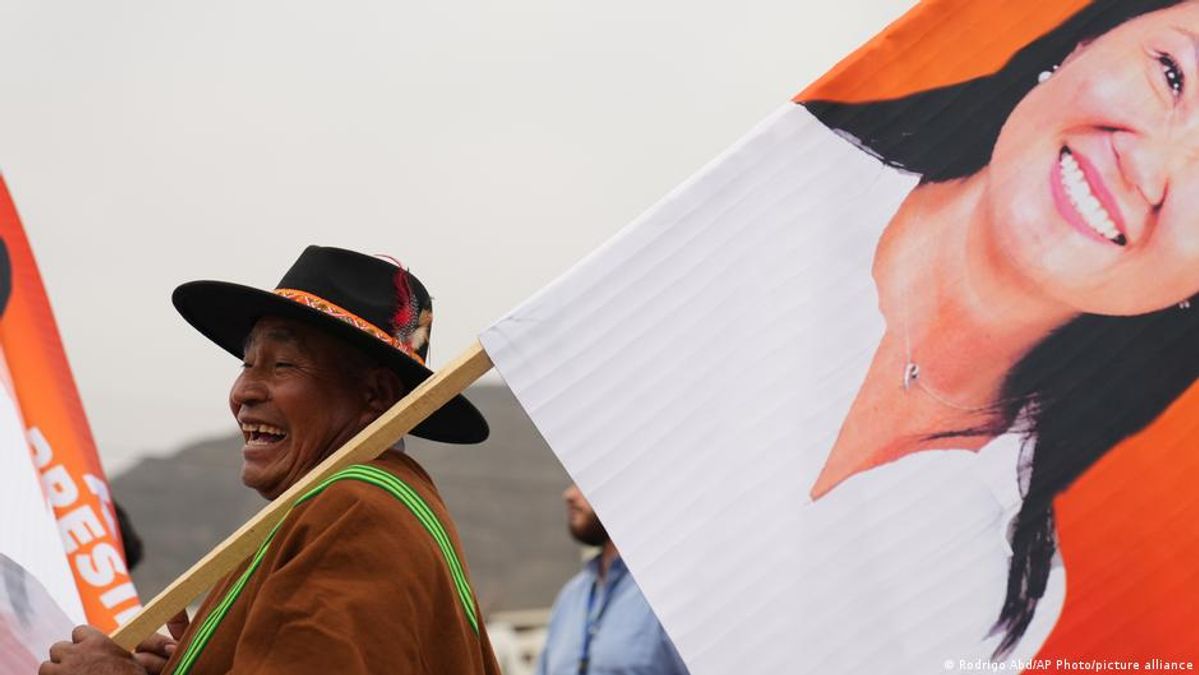
Peru's strategic location in South America, bordering the Pacific Ocean and the Amazon rainforest, makes it a crucial player in regional trade and geopolitics. The country's recent economic growth, driven by investments in infrastructure and natural resources, has transformed it into a key battleground in the competition between the United States and China for influence in the region.
Keiko Fujimori's presidency is marked by a strong focus on domestic issues, including security, economic recovery, and improvements in healthcare and education. Her plans to increase video surveillance, police presence, and punishment for crimes and organized gangs have raised concerns about human rights. However, Fujimori's administration also aims to advance infrastructure projects, attract private investment, and modernize the country with technology and artificial intelligence.
China's Belt and Road Initiative (BRI) has transformed Peru into a strategic player in regional trade, with the Chancay port and logistics hub being a key component. The estimated $3.5 billion project has reduced shipping times between Peru and China from 40 to 23 days, making Chancay a new gateway to Asia. Bilateral trade between the two countries exceeded $40 billion in 2024, with China becoming Peru's most important trading partner.
Fujimori's administration faces a delicate balancing act between its alignment with the US and its economic dependence on China. The Chancay port is a part of China's BRI, and Peru's participation in the "Shield of the Americas" alliance, initiated by Donald Trump, would demonstrate a closeness to the Trump administration. However, a break with Beijing would not be realistic, given Peru's economic ties with China.
Fujimori's presidency comes at a time when conservative forces have gained influence in several Latin American countries. However, Peru's case is unique, with Fujimori shaping Peruvian politics for many years and the country pursuing a pragmatic course. A foreign policy shift is expected, with Fujimori aligning more closely with the US and other conservative governments. However, a break with China is unlikely, given the country's economic dependence on Beijing.
The consequences of Fujimori's presidency will be far-reaching, with implications for regional trade, geopolitics, and economic stability. The balance between China and the US will be crucial, with Peru's participation in the "Shield of the Americas" alliance and its economic ties with China being key factors. The country's domestic agenda, including security and economic recovery, will also be closely watched.
Keiko Fujimori's inauguration as Peruvian president marks a significant shift in the country's foreign policy, as she seeks to balance her alignment with the US and other conservative governments with her country's economic dependence on China. The consequences of her presidency will be far-reaching, with implications for regional trade, geopolitics, and economic stability. The balance between China and the US will be crucial, with Peru's participation in the "Shield of the Americas" alliance and its economic ties with China being key factors.
Editor's Note: The analysis is based on publicly available information and may not reflect the full complexity of the situation.
Source referenced: DW
This brief was synthesized by our Editorial Engine and reviewed by The Ground Narrative team.