TRENDING

Tuesday, 28 July 2026
----------------------
14 Safar 1448 AH
France is grappling with extensive wildfires and an impending heatwave, underscoring the escalating challenges of climate change for national security and economic stability. The crisis highlights the urgent need for enhanced climate adaptation strategies across Europe.
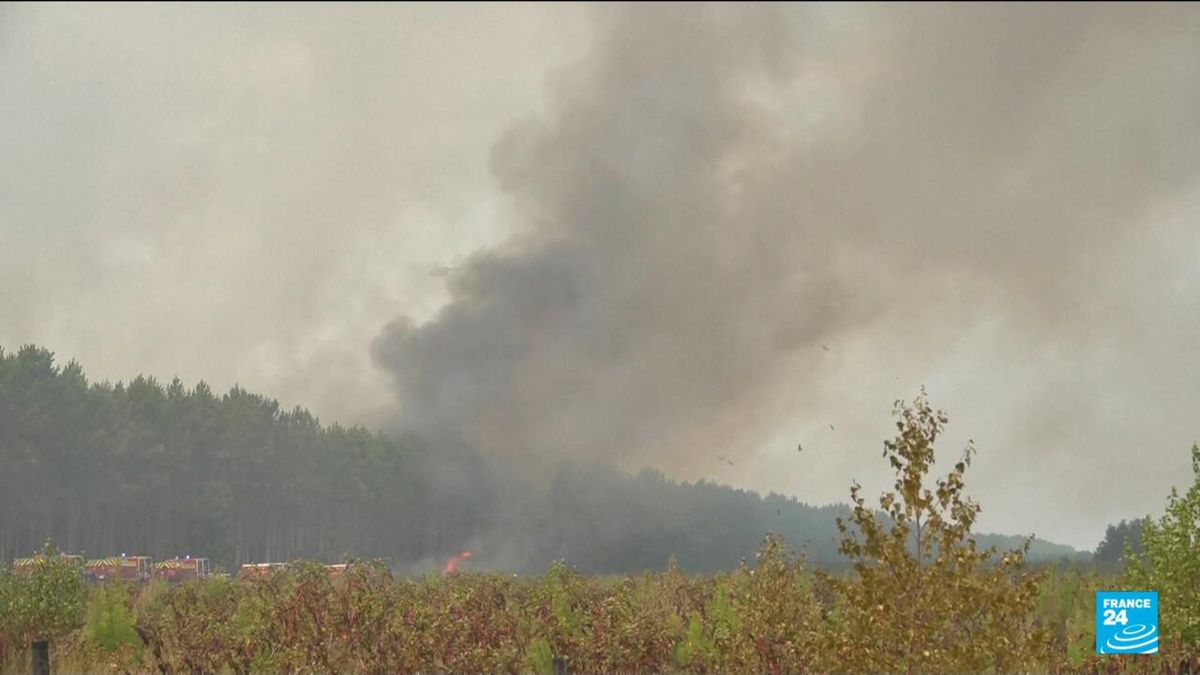
France is currently engaged in a critical battle against massive wildfires, particularly in its southwestern region, even as Western Europe braces for a new wave of extreme heat. The situation, unfolding around late July 2026, has seen French authorities, led by President Emmanuel Macron, mobilize extensive resources to contain blazes that have already devastated vast tracts of land and forced the evacuation of over 220,000 people. This crisis is not merely a domestic environmental challenge but a significant geopolitical event, exposing vulnerabilities in national infrastructure, economic resilience, and regional stability in the face of accelerating climate change.
The most severe fires are concentrated in the Gironde department, near the city of Bordeaux, a region known for its extensive forests and agricultural importance. While President Macron announced the containment of one significant fire, another, larger blaze continues to rage, demanding continuous firefighting efforts. The French Interior Minister has also provided updates, indicating that while the 'monster wildfire' had stopped growing at one point, it remained uncontained, highlighting the persistent and unpredictable nature of these events. The sheer scale of evacuations underscores the immediate humanitarian and logistical challenges faced by the French government, requiring coordinated efforts from civil protection agencies, emergency services, and local authorities.
The article explicitly links these wildfires and extreme heat to "climate change & lack of prevention," framing the crisis as "unprecedented but unsurprising." This connection is crucial for a geopolitical analysis. Climate change is increasingly recognized not just as an environmental issue but as a direct threat to national security, economic stability, and social cohesion. For a major European power like France, recurring and intensifying climate disasters strain national budgets, divert military and civil defense resources, and can impact public trust in governmental capacity.
The economic implications of these wildfires are substantial. The local economy in affected regions faces a massive rebuilding and reforestation bill, impacting agriculture, forestry, and tourism—key sectors for France. The destruction of natural landscapes also has long-term ecological consequences, affecting biodiversity and ecosystem services. Socially, mass evacuations, even if temporary, can lead to displacement, psychological trauma, and disruption of daily life, potentially exacerbating existing social inequalities. The recurring nature of such events also raises questions about the long-term viability of certain economic activities and residential patterns in vulnerable regions.
This crisis in France is not isolated. The article notes that Spain is also racing to contain blazes before a new heatwave, indicating a broader regional challenge across Western Europe. This shared vulnerability to extreme weather events necessitates enhanced European Union (EU) cooperation mechanisms, such as the EU Civil Protection Mechanism, which facilitates mutual assistance in disaster response. The collective experience of member states facing similar climate-induced crises could drive further integration of climate adaptation and mitigation strategies at the EU level, influencing policy, resource allocation, and diplomatic efforts on the global stage. The ability of European nations to effectively manage these internal challenges will also shape their credibility and influence in international climate negotiations.
The French wildfire crisis serves as a stark reminder of the evolving geopolitical landscape shaped by climate change. It underscores the strategic imperative for nations to invest heavily in climate resilience, including improved early warning systems, enhanced firefighting capabilities, sustainable land management practices, and robust infrastructure capable of withstanding extreme weather. The "lack of prevention" highlighted in the article suggests a need for a more proactive, long-term strategic approach to climate adaptation, moving beyond reactive disaster response. As these events become more frequent and intense, they will increasingly influence national budgets, defense planning, energy policy, and international aid, making climate resilience a core component of national and regional security strategies for decades to come.
Source referenced: FRANCE24
This brief was synthesized by our Editorial Engine and reviewed by The Ground Narrative team.