TRENDING

Sunday, 25 October 2026
----------------------
14 Jumada Al-Awwal 1448 AH
A colossal forest fire near Bordeaux, France, has forced the evacuation of over 220,000 people and disrupted critical infrastructure, highlighting the escalating challenge of extreme weather events in Europe. The incident underscores significant domestic and regional implications for governance, economy, and environmental security.
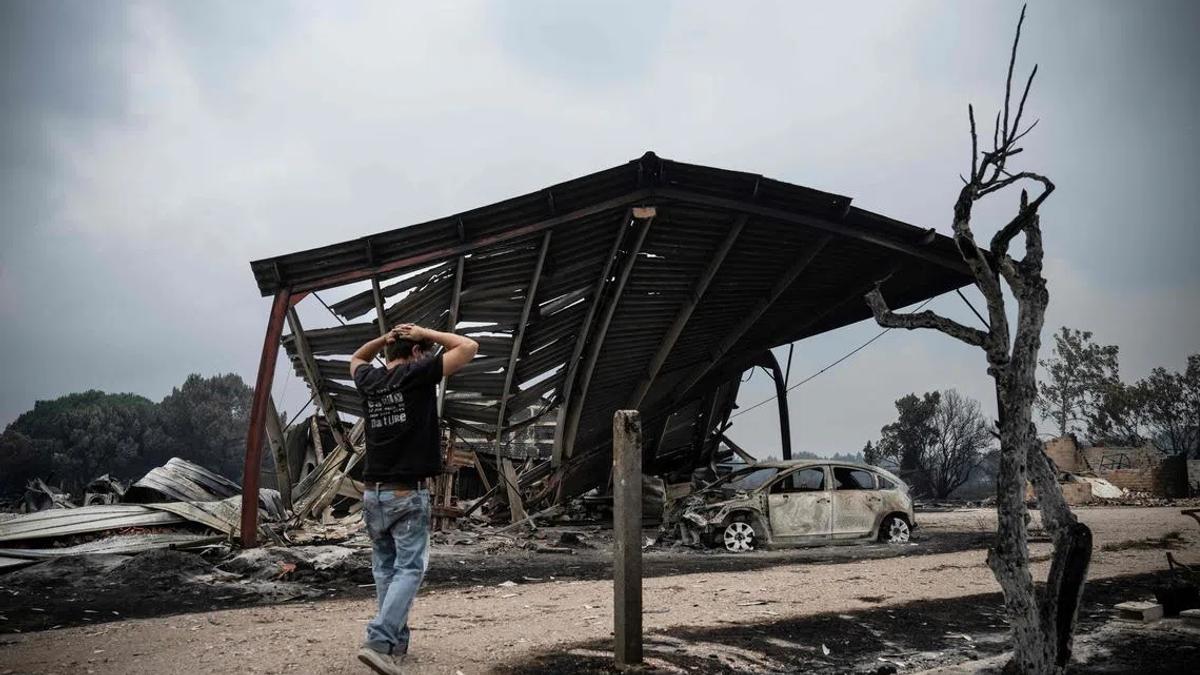
A massive forest fire, described by French authorities as one of the largest since World War II, continues to rage across southwest France, particularly in the region near Bordeaux. As of July 26, 2026, more than 220,000 people have been evacuated from their homes and holiday accommodations, a staggering figure that underscores the immense scale of the crisis. The blaze has consumed approximately 42,000 hectares of land, an area comparable to the devastating fires of 1949, and shows no immediate signs of abatement. This event is not merely a local emergency but a significant test of national resilience and a stark indicator of broader environmental challenges facing Europe.
The wildfire's rapid and erratic spread is attributed to a combination of high winds and heat-induced whirlwinds, which firefighter captain Nicolas Braz described as making the blaze "unmanageable." The intensity of the flames has overwhelmed local firefighting capabilities, necessitating the deployment of 1,500 soldiers from the French army to assist hundreds of exhausted civilian firefighters who have been battling the inferno for nearly a week. This military intervention highlights the severity of the situation and the strain on conventional emergency services, signaling a national-level crisis response. Interior Minister Laurent Nunez has indicated that the fire will "take a long time to bring under control," with no immediate return for evacuated residents and tourists, emphasizing the prolonged disruption expected.
The immediate economic impact of the fire is substantial. Key transportation arteries have been severely affected; 60 kilometers of the main A63 highway, a vital link connecting Bordeaux to the Spanish border, have been closed. Similarly, the SNCF rail company has halted train traffic south of Bordeaux. These closures disrupt both domestic travel and international trade routes, impacting supply chains and potentially causing significant economic losses for businesses reliant on these corridors. The Bordeaux region, renowned for its vineyards and tourism, faces considerable economic fallout. Agricultural losses, particularly in the wine industry, could be severe, while the disruption to tourism during peak season will have a cascading effect on local economies, including hospitality and related services.
This French wildfire is not an isolated incident. Reports of tens of thousands more evacuations from other wildfires in France and central Spain underscore a regional pattern of extreme weather events across Southern Europe. This trend points to the escalating impact of climate change, manifesting in more frequent and intense heatwaves and droughts, which create ideal conditions for such catastrophic blazes. From a geopolitical perspective, these events place increasing pressure on national governments to invest in climate adaptation strategies, enhance disaster preparedness, and potentially foster greater cross-border cooperation in emergency response and environmental management. The diversion of military assets for domestic disaster relief also raises questions about resource allocation and national security priorities in an era of evolving threats.
The long-term consequences extend beyond immediate damage and economic losses. The destruction of vast forest areas contributes to biodiversity loss, alters ecosystems, and exacerbates carbon emissions, creating a feedback loop that could intensify future climate challenges. For France, a nation with significant agricultural and tourism sectors, the recurring nature of such disasters necessitates a re-evaluation of land management policies, urban planning in fire-prone areas, and investment in advanced firefighting technologies. The event serves as a critical reminder for European policymakers about the urgent need for comprehensive climate action and robust national resilience strategies to mitigate the human, economic, and environmental costs of a changing climate.
Source referenced: STRAITSTIMES
This brief was synthesized by our Editorial Engine and reviewed by The Ground Narrative team.