TRENDING

Monday, 5 October 2026
----------------------
24 Rabi' Al-Thani 1448 AH
A devastating wildfire in southwestern France has burned over 1,500 hectares, forcing hundreds to evacuate and leaving local communities to pick up the pieces. As firefighters struggle to contain the blaze, the French government faces mounting pressure to address the root causes of these disasters. The Landes region, known for its picturesque forests and rural landscapes, is now a stark reminder of the human cost of climate change.
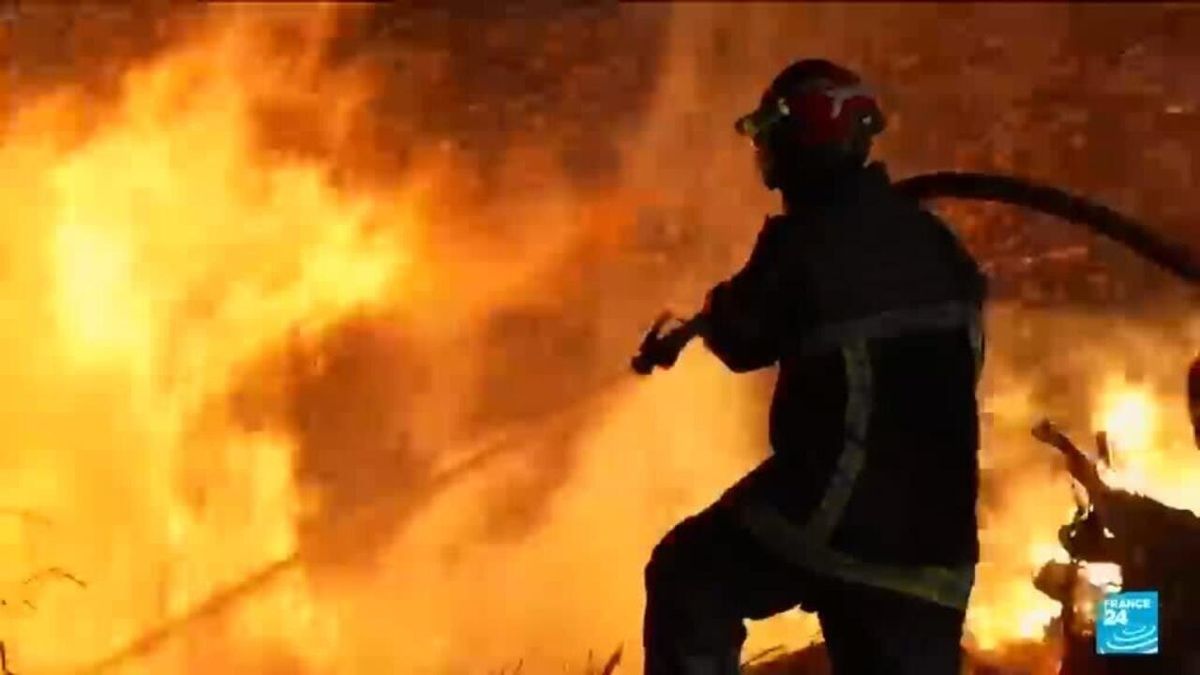
A massive wildfire has been raging in the Landes region of southwestern France, consuming over 1,500 hectares of land and prompting the evacuation of 520 people. Firefighters and local farmers have been working tirelessly to contain the blaze, but hot spots continue to threaten homes and livelihoods.
The French government has been criticized for its response to the wildfire, with many arguing that the disaster is a direct consequence of climate change and the country's lack of preparedness. Climate change has created a perfect storm of conditions that fuel these devastating wildfires, from rising temperatures to droughts and heatwaves. The government's inability to address these underlying issues has left local communities vulnerable to the whims of nature.
The true cost of the wildfire is not just measured in hectares burned or homes destroyed, but in the lives of the people affected. Local farmers, who have spent generations working the land, are now faced with the possibility of losing their livelihoods. The evacuation of 520 people has also raised concerns about the long-term impact on mental health and community cohesion. As the French government struggles to respond to the disaster, it is essential to remember that the human cost of climate change is not just a statistic, but a harsh reality for those on the ground.
While the French government has been quick to respond to the immediate crisis, there is a growing sense that the root causes of the wildfire are being downplayed. The role of climate change in exacerbating these disasters is well-documented, yet the government's response has been criticized for being reactive rather than proactive. The lack of investment in climate resilience and disaster preparedness has left France vulnerable to these types of disasters, and it is essential that the government takes a more comprehensive approach to addressing the issue.
As the situation in the Landes region continues to unfold, there are several key developments to watch for. The French government's response to the disaster will be crucial in determining the long-term impact on local communities. The government's ability to address the root causes of the wildfire, including climate change and disaster preparedness, will be a key indicator of its commitment to protecting its citizens. Additionally, the international community will be watching to see how France responds to the crisis, and whether it will serve as a catalyst for greater action on climate change.
Editor's Note: The analysis is based on publicly available information and may not reflect the full complexity of the situation on the ground.
Source referenced: FRANCE24
This brief was synthesized by our Editorial Engine and reviewed by The Ground Narrative team.


