TRENDING

Monday, 26 October 2026
----------------------
15 Jumada Al-Awwal 1448 AH
Flavio Bolsonaro's nomination for Brazil's presidency sets the stage for a highly polarized election, pitting the right-wing against incumbent Luiz Inacio Lula da Silva. The contest highlights deep ideological divisions within Brazil and draws significant international attention from aligned conservative leaders.
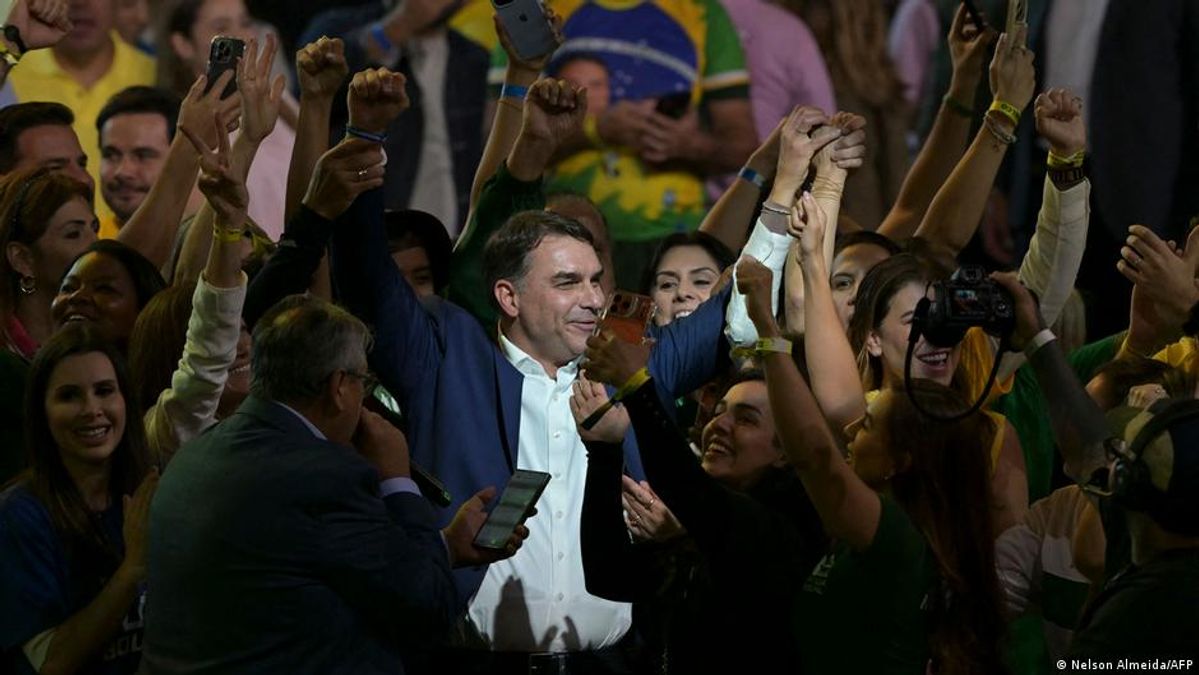
Flavio Bolsonaro, son of former Brazilian President Jair Bolsonaro, has been formally nominated by the Liberal Party to contest the upcoming presidential election against incumbent Luiz Inacio Lula da Silva. This development, confirmed at a party convention in Sao Paulo, signals a continuation of the deeply polarized political landscape that has characterized Brazil in recent years. The election, scheduled for October 4, with a potential runoff on October 25, is poised to be a critical test of the enduring influence of right-wing populism in Latin America's largest nation.
Flavio Bolsonaro's candidacy is inextricably linked to his father's legacy, a connection he explicitly acknowledged by declaring, "Bolsonaro's blood flows here." This statement underscores a strategy to mobilize the conservative base that propelled Jair Bolsonaro to power in 2018. The context of this election is further complicated by Jair Bolsonaro's recent conviction and 27-year prison sentence for plotting a coup following his 2022 electoral defeat to Lula. This legal outcome not only removes the elder Bolsonaro from direct political contention but also frames the upcoming election as a battle over the nation's democratic institutions and future direction.
The nomination of Flavio Bolsonaro has garnered significant international attention, particularly from leaders aligned with conservative and populist ideologies. Argentine President Javier Milei publicly endorsed Bolsonaro's bid, stating his belief that "there is no one else capable of putting an end to the Lula risk hanging over Brazil." Milei's presence at the convention and his strong rhetoric highlight a growing ideological solidarity among certain right-wing leaders in South America, potentially influencing regional dynamics and integration efforts like Mercosur. This alignment suggests a potential strengthening of a conservative bloc in the region, contrasting with the current left-leaning governments in several South American nations.
Further international backing came in the form of a video message from Israeli Prime Minister Benjamin Netanyahu. This support reflects the strong diplomatic ties forged between Brazil and Israel during Jair Bolsonaro's presidency, a period that saw a notable shift in Brazil's foreign policy away from its traditional non-aligned stance. Should Flavio Bolsonaro succeed, it could signify a return to these closer ties, impacting Brazil's position on Middle Eastern affairs and its engagement with multilateral organizations.
Flavio Bolsonaro has also cultivated relationships with US conservatives and the administration of former President Donald Trump. While these ties suggest an attempt to align with a broader global right-wing movement, the article notes that the Trump administration previously imposed tariffs on Brazilian exports. This nuance indicates that ideological alignment does not always translate into favorable economic policy, underscoring the complex interplay between geopolitics, trade, and domestic interests.
Despite the international endorsements, Flavio Bolsonaro's campaign faces considerable domestic challenges. He currently lacks a running mate and has struggled to build a broad centrist alliance, a necessity for winning a national election in Brazil's diverse political landscape. The absence of major political figures at the Liberal Party convention further highlighted these difficulties. Furthermore, recent polls indicate that Lula would defeat Flavio Bolsonaro in a potential runoff, with the incumbent currently holding a lead. Lula's left-wing Workers' Party (PT) is expected to formally nominate him in August, setting the stage for a direct ideological confrontation.
Brazil's presidential election holds substantial geopolitical significance. As a member of BRICS, the G20, and the largest economy in Latin America, Brazil's political trajectory has far-reaching implications. The outcome will influence the country's stance on critical global issues such as climate change, international trade, and multilateralism. A victory for Lula would likely solidify Brazil's current foreign policy direction, emphasizing environmental protection and engagement with the Global South. Conversely, a Bolsonaro presidency could shift Brazil's focus towards more conservative alliances and potentially alter its approach to environmental regulations and international agreements. The election serves as a crucial barometer for the ongoing global contest between populist nationalism and established democratic governance, with its results resonating far beyond Brazil's borders.
Source referenced: DW
This brief was synthesized by our Editorial Engine and reviewed by The Ground Narrative team.