TRENDING

Thursday, 10 September 2026
----------------------
28 Rabi' Al-Awwal 1448 AH
FIFA's plan to create a $20 billion company to run the World Cup with private investors, including the Kushner family, has sparked outrage from European soccer body UEFA. The move raises questions about the ownership and control of the beautiful game. As the controversy unfolds, it's essential to examine the power dynamics at play and the potential human impact on the sport and its fans.
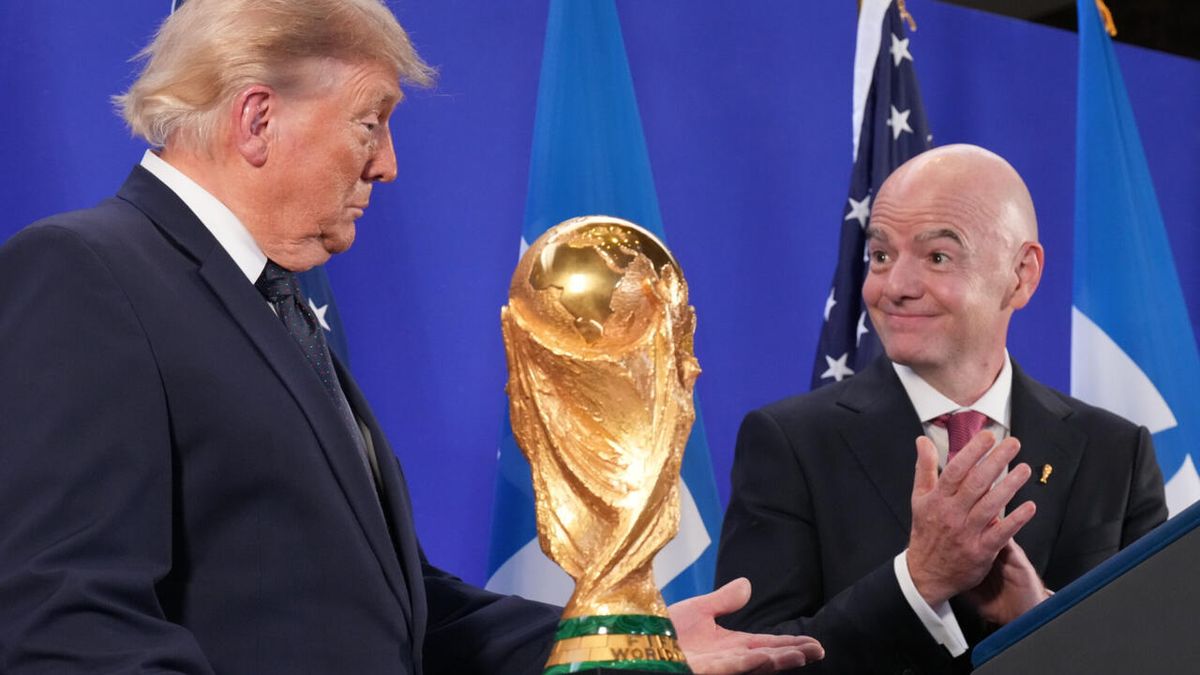
FIFA President Gianni Infantino's announcement to create a $20 billion company to run the World Cup with private investors, including the Kushner family, has been met with fierce opposition from UEFA. The European soccer body has argued that the World Cup is not FIFA's to sell, emphasizing that none of the organizations are the owners of football.
The proposed deal highlights the complex web of interests and alliances within the world of international soccer. The involvement of the Kushner family, with their close ties to the Trump administration, adds a layer of geopolitical intrigue to the situation. FIFA's push for privatization can be seen as an attempt to consolidate power and generate massive profits, potentially at the expense of the sport's integrity and global accessibility. The opposition from UEFA, on the other hand, may be driven by a desire to protect European soccer interests and maintain control over the sport's governance.
The people who stand to be most affected by this deal are the fans and the local communities that host the World Cup. The commercialization of the tournament could lead to increased ticket prices, reduced accessibility, and a diminished sense of community and national pride. Furthermore, the influx of private investment may prioritize profit over the development of the sport, potentially neglecting grassroots programs and talent development initiatives. The fans, who are the lifeblood of the sport, may find themselves priced out or marginalized in the pursuit of profit.
What is being downplayed in the official statements is the potential for corruption and cronyism that can arise from the involvement of private investors with close ties to political power. The lack of transparency and accountability in the deal-making process raises concerns about the distribution of funds and the potential for embezzlement or mismanagement. Additionally, the emphasis on profit over people may lead to the exploitation of local resources, labor, and infrastructure, without providing adequate benefits or compensation to the host communities.
As the situation unfolds, it is essential to keep a close eye on the negotiations between FIFA, UEFA, and the private investors. The outcome of this controversy will have far-reaching implications for the future of the World Cup and the governance of international soccer. Readers should watch for any developments in the following areas: the response from other soccer federations and governing bodies, the potential for legal challenges or regulatory interventions, and the impact on the sport's global popularity and revenue streams.
Editor's Note: The analysis is based on publicly available information and may not reflect the full complexity of the situation. Further developments and statements from the parties involved may alter the assessment of the situation.
Source referenced: FRANCE24
This brief was synthesized by our Editorial Engine and reviewed by The Ground Narrative team.


