TRENDING

Monday, 5 October 2026
----------------------
24 Rabi' Al-Thani 1448 AH
FIFA's apology for a controversial private investment plan signals a deeper struggle for control over football's most lucrative asset. This move highlights the ongoing tension between sport's public identity and its immense commercial value.
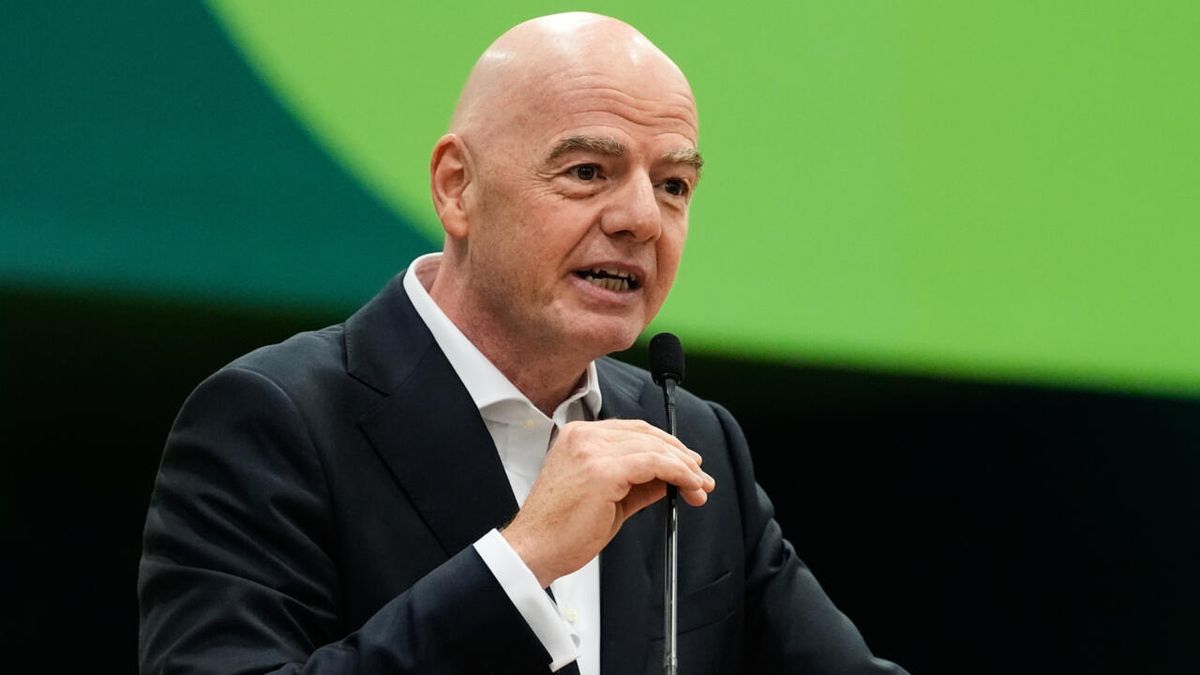
FIFA President Gianni Infantino recently issued an apology following a crisis meeting in Morocco, acknowledging "mistakes" and a "lack of consultation" regarding a proposal to open the World Cup to private investors. Despite the public controversy and calls for his resignation, FIFA officials reiterated their "full support" for Infantino, effectively shelving the specific investment plan while maintaining leadership stability.
This episode is less about a genuine mea culpa and more about the intricate power dynamics within global football's governing body. FIFA, under Infantino, operates as a quasi-sovereign entity, controlling an event (the World Cup) that generates billions and holds unparalleled cultural sway. The drive to bring in private investment was a clear attempt to further maximize revenue, potentially by selling off stakes in future World Cup commercial rights or creating new financial vehicles. Such a move would have injected significant capital but, crucially, would also have introduced external shareholders with their own profit motives, potentially diluting FIFA's ultimate control and the influence of its member federations.
Infantino's apology, coupled with the immediate reaffirmation of support, reveals a tactical maneuver. It suggests that while the specific proposal was too contentious to proceed publicly, the underlying ambition to tap into new revenue streams remains. The apology serves to defuse immediate pressure, consolidate his position by demonstrating responsiveness (even if superficial), and buy time to recalibrate how private capital might be integrated into FIFA's operations without sparking another internal rebellion. The structural power lies with the FIFA executive, which, despite its constituent national federations, often operates with significant autonomy, balancing the need for broad support with its own commercial imperatives.
The human cost of such commercialization often falls disproportionately on the ordinary football fan and the smaller national federations. When private investors enter the fray, the primary objective invariably shifts towards maximizing returns. This can manifest in higher ticket prices, more exclusive broadcasting deals, and a general commodification of the fan experience, making the sport less accessible to the very people it claims to serve. For smaller federations, their share of World Cup revenues, which are vital for developing football in their countries, could be jeopardized or diluted if new private entities demand a larger slice of the pie. The essence of football as a universal game, accessible to all, risks being eroded, transforming it into a premium entertainment product for a global elite, rather than a public good.
The official statements downplay the true depth of the internal power struggle that led to this apology. What remains largely unsaid is the nature of the proposed private investment – how much control would have been ceded, what specific assets were on the table, and how this would have reshaped FIFA's long-term financial architecture. The apology is a public concession, but the swift reiteration of support for Infantino indicates that an internal bargain was struck. This bargain likely involved sacrificing the immediate, controversial plan in exchange for continued leadership, allowing the core strategy of revenue expansion to persist, albeit through different means. The powerful actors are omitting the extent to which private capital's influence was already being considered and the ongoing internal debate about balancing financial growth with the sport's traditional governance structure.
Moving forward, observers should watch for FIFA's next approach to revenue generation. While the direct private investment plan has been scrapped, the underlying financial pressures and ambitions have not disappeared. Expect more subtle or indirect attempts to engage private capital, perhaps through new commercial partnerships, joint ventures, or restructuring of specific World Cup assets. The balance of power between FIFA's central administration and its six continental confederations will also be crucial, as any future initiatives will require more careful consultation to avoid another backlash. Furthermore, the implications for future World Cup hosting bids will be significant; commercial viability and potential returns for investors may increasingly become a dominant factor, potentially overriding other considerations like sporting development or legacy for host nations. The game's future hinges on whether FIFA can reconcile its immense commercial potential with its role as the custodian of a global sport loved by billions.
Editor's Note: Analysis is based on the provided raw intelligence and general knowledge of FIFA's operational history and financial pressures.
Source referenced: FRANCE24
This brief was synthesized by our Editorial Engine and reviewed by The Ground Narrative team.


