TRENDING

Thursday, 17 September 2026
----------------------
6 Rabi' Al-Thani 1448 AH
The Federal Reserve raised rates for the first time in three years, defying President Trump’s demand for cheap money. The move reflects war‑driven energy shocks, lingering trade battles, and a test of the Fed’s independence.
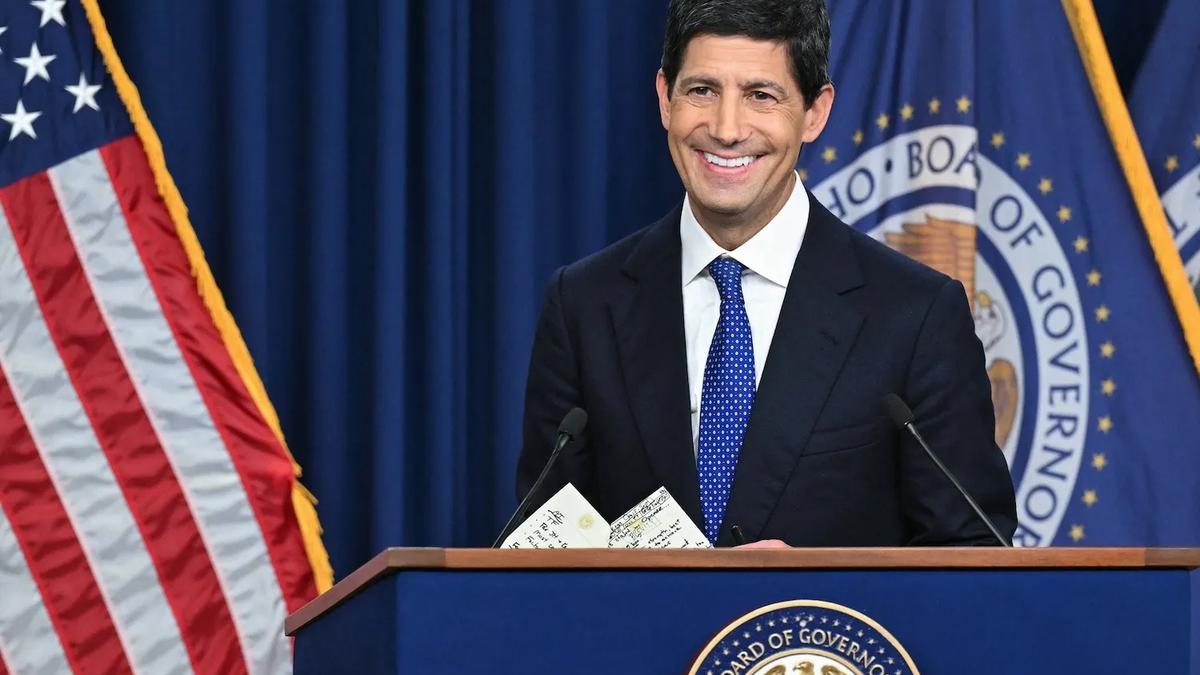
On September 16, 2026, the Federal Reserve, chaired by Kevin Warsh, voted unanimously to lift the policy rate by a quarter point – the first increase since 2023. The decision came after August inflation data showed a 3.4% annual rise, and officials signaled at least one more hike before year‑end and further tightening into 2027.
The Fed’s move sits at the intersection of three structural forces. First, geopolitical shockwaves: the war in Iran and Houthi attacks on the Bab el‑Mandeb have pushed crude above $100 a barrel, inflating gasoline and diesel prices that ripple through the whole economy. Second, domestic political pressure: President Donald Trump, who appointed Warsh to lower rates, has repeatedly threatened the central bank, even hinting at new tariffs if the Fed does not comply. White House adviser Kevin Hassett warned that a pre‑election hike could be framed as partisan, yet a hold‑steady policy would betray the Fed’s credibility. Third, macro‑financial dynamics: soaring long‑term Treasury yields, driven by massive fiscal deficits and a waning confidence among even allied nations in the dollar’s role, have already raised borrowing costs for households and corporations. The Fed’s limited toolkit can temper demand‑side inflation, but it cannot fully offset supply‑side shocks from energy, tariffs, and a surge in AI‑driven capital spending that pushes producer prices higher.
The headline‑level decision masks a cascade of everyday hardships. Low‑income renters will see higher mortgage and home‑loan rates, tightening already scarce housing budgets. Truck drivers and farm operators face diesel at record $6.30 per gallon, eroding profit margins and raising food prices for consumers nationwide. Small‑business owners reliant on short‑term credit confront steeper loan costs, curbing expansion plans and prompting layoffs. Students with variable‑rate loans will feel a sharper bite in monthly payments, while retirees see bond‑portfolio yields rise but risk capital losses on existing holdings. The cumulative effect is a widening gap between those who can absorb higher costs and those who cannot, deepening economic insecurity at a time when the labor market remains solid but fragile.
Official statements focus on “price stability” and “inflation control,” but they downplay the political calculus behind the Fed’s independence. Warsh’s refusal to name any White House threats does not erase the reality that the chair’s appointment was a political bargain: Trump expected a dovish stance to fuel his growth narrative. Moreover, the analysis omits the long‑term fiscal strain from the Iran war and ongoing trade disputes, which are inflating the national debt and eroding the dollar’s reserve‑currency status. The AI investment boom is cited as a price driver, yet the narrative sidesteps how corporate lobbying for cheap credit shapes policy choices. Finally, the global ripple—foreign governments reconsidering dollar‑denominated debt amid rising yields—is barely mentioned, even though it threatens the very foundation of the U.S. financial system.
Watch for three converging signals. First, the Fed’s minutes from the November meeting will reveal how much the committee attributes inflation to external shocks versus domestic demand, hinting at the pace of future hikes. Second, any escalation in the Iran conflict—especially renewed attacks on oil chokepoints—could force the Fed to tighten faster, while also prompting congressional debates on defense spending and debt financing. Third, the 2026 midterm elections will test whether political actors attempt to curtail the Fed’s autonomy, either through legislative reforms or overt pressure on the chair. The interplay of these factors will determine whether the rate hike is a temporary brake or the start of a sustained tightening cycle that reshapes borrowing, investment, and everyday life in the United States.
Source referenced: FOREIGNPOLICY
This brief was synthesized by our Editorial Engine and reviewed by The Ground Narrative team.