TRENDING

Thursday, 17 September 2026
----------------------
6 Rabi' Al-Thani 1448 AH
Iran’s security forces have raided homes of Baha'i believers, confiscating gold, electronics, and even children’s toys. The seizures reveal a widening strategy that blends economic desperation with political repression.
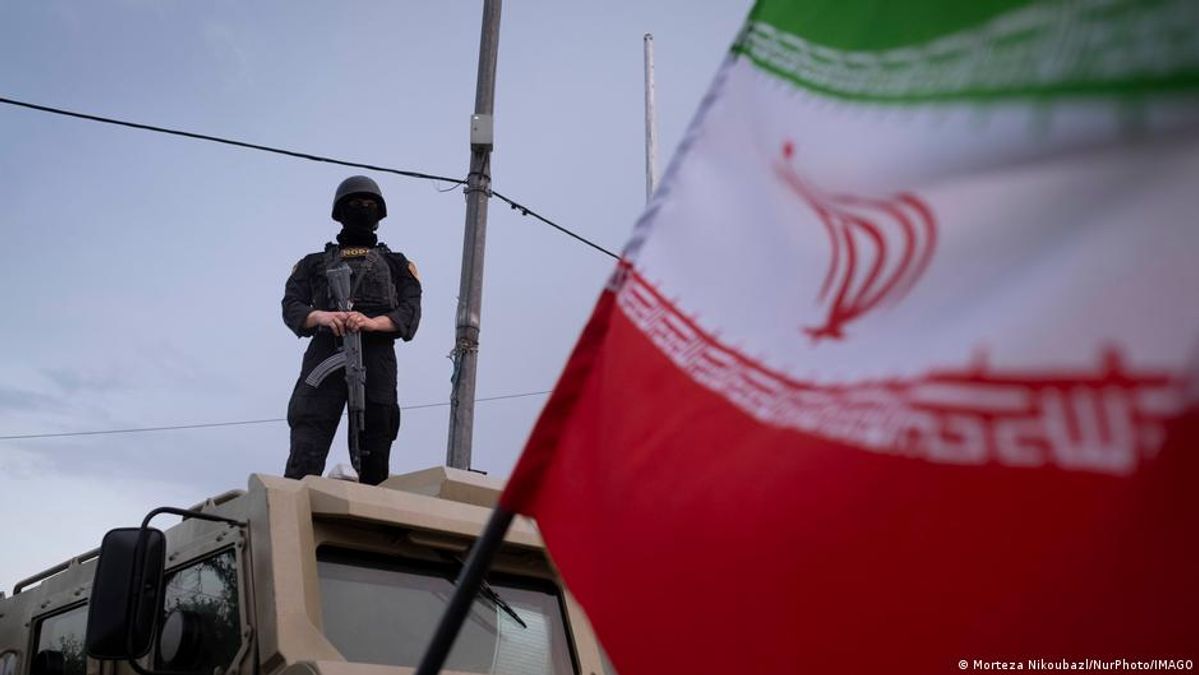
Iranian security forces conducted a wave of home raids in late August, targeting members of the Baha'i religious minority and a broader set of dissidents. Officers seized gold, electronics, work tools, wedding rings, and children’s toys, while also arresting activists and confiscating assets of over 400 expatriates labeled as "supporters of the enemy."
The regime is juggling three intersecting pressures. First, economic strain: sanctions, a collapsing currency, and dwindling oil revenues have left the state budget in a deep deficit. Traditional revenue streams are insufficient, prompting the judiciary to weaponize poverty—demanding bail amounts that equal a century’s wages for an average citizen. Second, political survival: after the June 2025 Iran‑Israel war, the leadership intensified nationalist rhetoric, casting Baha'is as Israeli spies to rally domestic support and justify crackdowns. Third, control of the diaspora: by seizing assets of expatriates, the state extends its reach beyond its borders, signaling that dissent abroad will not be tolerated. The confiscated items are auctioned below market value to insiders, reinforcing patronage networks that keep the security apparatus funded, albeit marginally.
For the Baha'i community, the raids are a continuation of decades‑long marginalization—no constitutional protection, barred from higher education, and excluded from public sector jobs. Families now lose not only sentimental objects like wedding rings but also the tools needed for daily livelihoods. A carpenter’s set of drills, a teacher’s laptop, a child’s toy—each loss compounds an already precarious existence under soaring inflation. Outside the Baha'i circle, café owners like Sadegh Saedinia face prison sentences and total asset confiscation for merely sharing protest footage, while diaspora journalists see bank accounts frozen. The broader Iranian populace, already grappling with hyperinflation, witnesses the state’s willingness to strip ordinary citizens of personal property, eroding any remaining trust in legal institutions.
Official statements frame the seizures as a fight against "foreign‑backed espionage" and a necessary step to protect national security. What is omitted is the economic calculus: the regime’s coffers are not being substantially replenished by these raids. Analysts note that the value of seized goods is negligible compared with the budget shortfall, suggesting the primary goal is intimidation, not fiscal rescue. Moreover, the narrative sidesteps the systemic bias that exempts recognized religious minorities (Christians, Jews, Zoroastrians) from such persecution, reinforcing a hierarchy that the state uses to divide society and distract from its own policy failures.
Watch for three developments. 1) Monetary policy shifts: if the Central Bank continues aggressive money printing while subsidies are rolled back, hyperinflation could erupt, amplifying public unrest. 2) International pressure: heightened U.S. sanctions may push the regime to lean further on asset seizures as a low‑cost repression tool, prompting diplomatic protests from human‑rights bodies. 3) Diaspora mobilization: as more expatriates are targeted, transnational activist networks could coordinate legal challenges and asset‑recovery campaigns, potentially exposing the regime’s illegal practices on a global stage. The convergence of economic collapse and political repression will test whether the state can sustain its coercive model or face a broader societal backlash.
Source referenced: DW
This brief was synthesized by our Editorial Engine and reviewed by The Ground Narrative team.