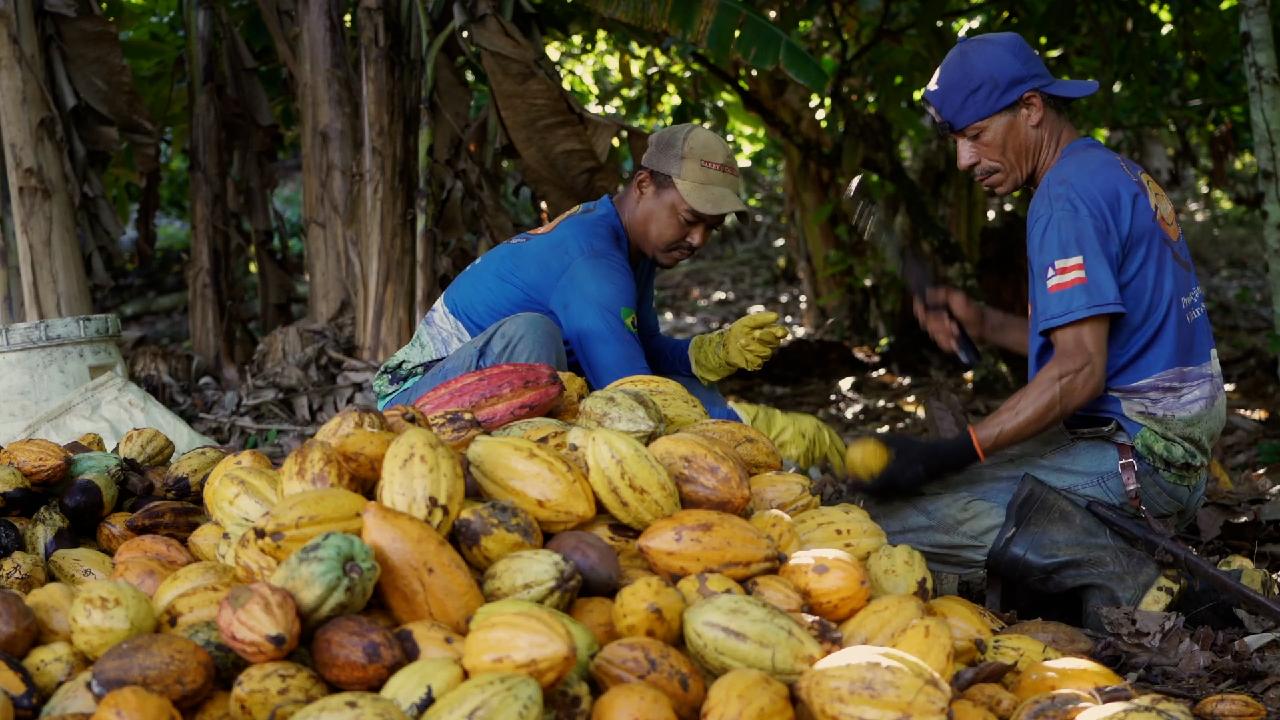
What's Behind the Chocolate Rush
Brazil's decision to ramp up chocolate exports to China is not just about meeting the growing demand for premium chocolate. It's also about Brazil's efforts to diversify its economy, reduce its dependence on traditional commodity exports, and tap into the vast Chinese market. With China's growing middle class and increasing demand for luxury goods, Brazilian cocoa producers see an opportunity to capitalize on this trend.
The Power Mechanics at Play
The expansion of Brazil's chocolate exports to China is driven by a combination of factors, including the growing demand for premium chocolate in China, Brazil's need to diversify its economy, and the desire to reduce dependence on traditional commodity exports. However, this move also comes with risks, including the impact of climate change on cocoa production and the potential for trade disruptions. Brazil's ability to navigate these challenges will be crucial in determining the success of its chocolate export strategy.
The Human Cost of Climate Change
The effects of climate change on cocoa production are already being felt in Brazil, with farmers in Bahia adapting to the long-term effects of witches' broom fungus and developing drought-resistant cocoa plants. The human cost of these changes is significant, with many farmers struggling to maintain their livelihoods in the face of uncertain weather patterns and crop diseases. As Brazil expands its chocolate exports to China, it will be important to ensure that the benefits of this trade are shared fairly among all stakeholders, including farmers and rural communities.
The Untold Story of Trade Dependencies
While Brazil's decision to expand its chocolate exports to China may seem like a straightforward business move, it also reflects a deeper dependence on Chinese trade. Brazil's economy is increasingly tied to China's, with China being one of Brazil's largest trading partners. This dependence creates risks, including the potential for trade disruptions and the impact of Chinese economic policies on Brazilian industries. As Brazil navigates its trade relationships with China, it will be important to consider the potential risks and benefits of this dependence.
What to Watch Next
As Brazil expands its chocolate exports to China, there are several factors to watch, including the impact of climate change on cocoa production, the development of new trade agreements between Brazil and China, and the response of other countries to Brazil's growing presence in the global cocoa market. Readers should also watch for signs of increasing trade tensions between Brazil and China, as well as the potential for other countries to enter the premium chocolate market. These factors will all play a role in determining the success of Brazil's chocolate export strategy and its position in the global cocoa market.