TRENDING

Monday, 5 October 2026
----------------------
24 Rabi' Al-Thani 1448 AH
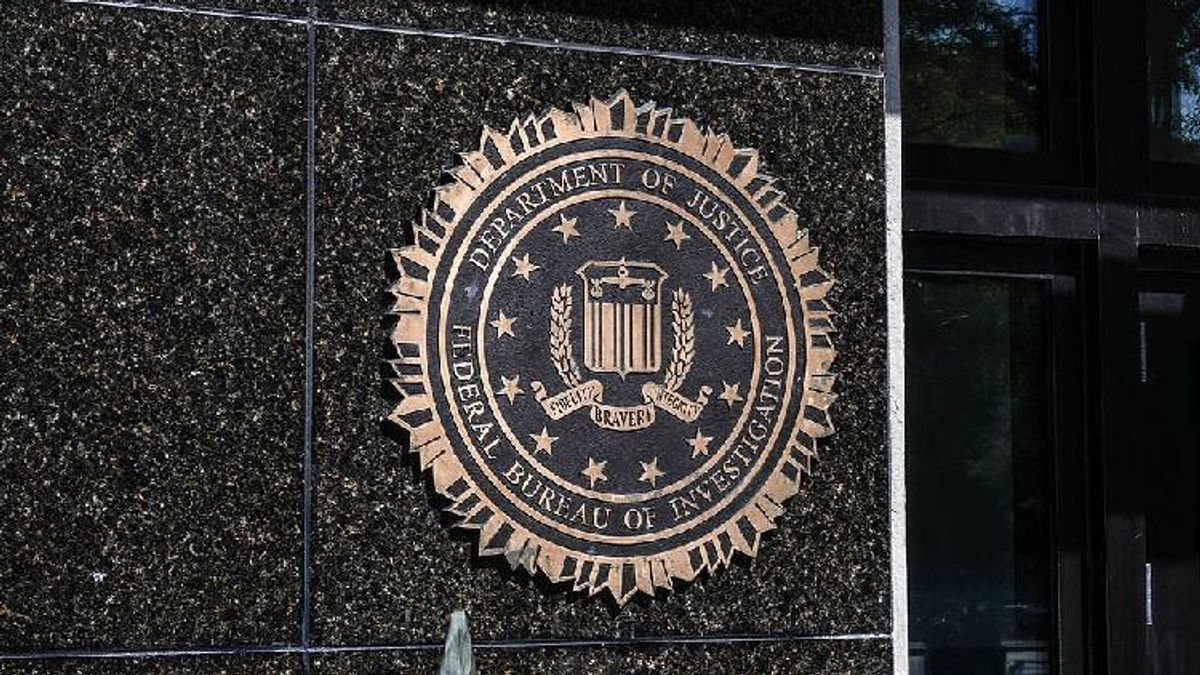
A week‑long standoff between the **FBI** and the notorious **ShinyHunters** crew has exposed personal data of thousands of agents and applicants. The agency’s public invitation to the hackers reveals deeper power calculations and hidden costs for everyday Americans.
#WHAT HAPPENED
On September 22, the hacking collective ShinyHunters announced it had infiltrated the FBI's job portal, exfiltrating medical records, Social Security numbers, family details, and intelligence‑related data of current and former staff. The group posted a screenshot of a defaced site and claimed to possess information on "almost all" agents, later sharing a sample set covering roughly 5,000 individuals. In response, FBI Assistant Director Brett Leatherman posted a video on X, warning that anonymity offers no protection and urging the hackers to contact the bureau before the agency decides the next step. The message was framed as a threat, but it also opened a rare channel of communication between law‑enforcement and a criminal syndicate.
#THE POWER MECHANICS
The breach sits at the intersection of three structural forces: domestic political pressure, the commercialisation of cyber‑crime, and the evolving doctrine of public‑private partnership in digital security. First, the United States government faces mounting congressional scrutiny after a series of high‑profile leaks exposed gaps in federal cyber‑defences. Lawmakers demand visible action, and the FBI’s public video serves as a performative show of resolve, signalling to both critics and allies that the agency is actively confronting the threat.
Second, groups like ShinyHunters have turned data theft into a branding exercise. By announcing the breach, releasing a teaser dataset, and dubbing the operation a "marketing campaign," the crew seeks notoriety that can be monetised through extortion, ransomware sales, or recruitment of new talent. Their willingness to negotiate—if only to preserve that brand—creates leverage that the FBI can exploit without resorting to a full‑scale cyber‑counterattack that might expose classified methods.
Third, the incident underscores the blurred lines between state‑run cyber units and private security firms. Former FBI official Cynthia Kaiser, now at Halcyon, warned that stolen data becomes a perpetual weapon, reused by criminals and foreign actors alike. The agency’s decision to address the hackers publicly rather than quietly contain the breach reflects a strategic calculation: by signalling openness, the FBI hopes to deter other groups from exploiting the same vulnerabilities, while also inviting private cybersecurity firms to assist in damage control, thereby shifting some operational costs to the market.
#THE HUMAN COST
#Agents and Applicants
The immediate victims are the thousands of FBI employees and job seekers whose personal dossiers now sit on the dark web. For agents, the exposure of family addresses, medical histories, and classified affiliations creates a direct safety risk. Past leaks have led to harassment, blackmail, and even physical threats against officers and their relatives. The psychological toll—fear, anxiety, and a sense of betrayal—undermines morale within a bureau already stretched thin by multiple investigations.
#Families and Communities
Beyond the agency, families of agents—many of whom live in small towns across the country—face potential targeting by criminals seeking leverage. A spouse’s credit card information or a child’s school records can be weaponised for identity theft, financial fraud, or intimidation. Communities that rely on the presence of federal agents for local security feel a sudden erosion of trust, which can ripple into broader social cohesion.
#Broader Public
The breach also jeopardises the privacy of ordinary citizens whose data intersected with the FBI's recruitment pipelines, such as background‑check participants and contractors. When personal identifiers become publicly accessible, the risk of phishing attacks and credential stuffing spikes, affecting banks, healthcare providers, and other essential services that rely on the same data ecosystems.
#THE UNTOLD STORY
#Government Downplaying of Systemic Weaknesses
Official statements have focused on the criminality of ShinyHunters, framing the episode as an isolated breach. What receives less attention is the underlying vulnerability of the FBI's recruitment infrastructure—a legacy system that has not been fully modernised despite repeated budget requests. By spotlighting the hackers, the agency sidesteps a deeper audit that could expose chronic under‑funding and outdated security protocols.
#Corporate Exploitation of the Fallout
Cybersecurity firms stand to profit from the breach. After the incident, several vendors announced new “government‑grade” solutions, promising rapid patching and threat‑intelligence feeds. While these services may improve defenses, the timing suggests a coordinated market push that capitalises on public fear, potentially inflating prices for agencies already constrained by fiscal ceilings.
#International Narrative Management
Foreign intelligence services monitor the FBI breach not only for the data itself but for the agency’s reaction. By broadcasting a public warning, the FBI inadvertently signals its operational limits to adversaries like Russia or China, who may interpret the outreach as a sign of internal disarray. The official narrative omits any mention of how allied partners—such as the UK’s GCHQ—are being consulted, masking the broader intelligence community’s coordinated response.
#WHAT TO WATCH
Readers should track three developing threads. First, any formal communication from ShinyHunters—whether a data dump, ransom demand, or a cease‑fire notice—will reveal whether the public channel opened by the FBI is a genuine negotiation tool or a tactical bluff. Second, congressional hearings on federal cyber‑security funding are slated for early next year; the breach will likely be a key talking point that could reshape budget allocations for agency modernisation. Finally, watch for shifts in the private‑sector market: a surge in contracts awarded to firms promising “government‑grade” protection may indicate a new wave of profit‑driven security solutions, potentially reshaping how the United States defends its digital borders.
The hackers said they obtained medical records, Social Security numbers, family details, and intelligence‑related information for roughly 5,000 current and former FBI agents and job applicants.
Assistant Director Brett Leatherman used a public video to signal both a warning and an invitation, hoping to negotiate a controlled disclosure while demonstrating agency resolve to critics and potential adversaries.
Personal identifiers exposed in the leak can be used for identity theft and phishing, and the breach may lead to increased costs for cybersecurity services that ultimately affect taxpayers.
Source referenced: CGTN
This brief was synthesized by our Editorial Engine and reviewed by The Ground Narrative team.


