TRENDING

Monday, 5 October 2026
----------------------
24 Rabi' Al-Thani 1448 AH
A massive breach of the FBI’s job portal exposed personal data of thousands of agents and applicants. The public warning from the bureau’s cyber chief reveals how the incident reshapes power balances in U.S. cybersecurity.
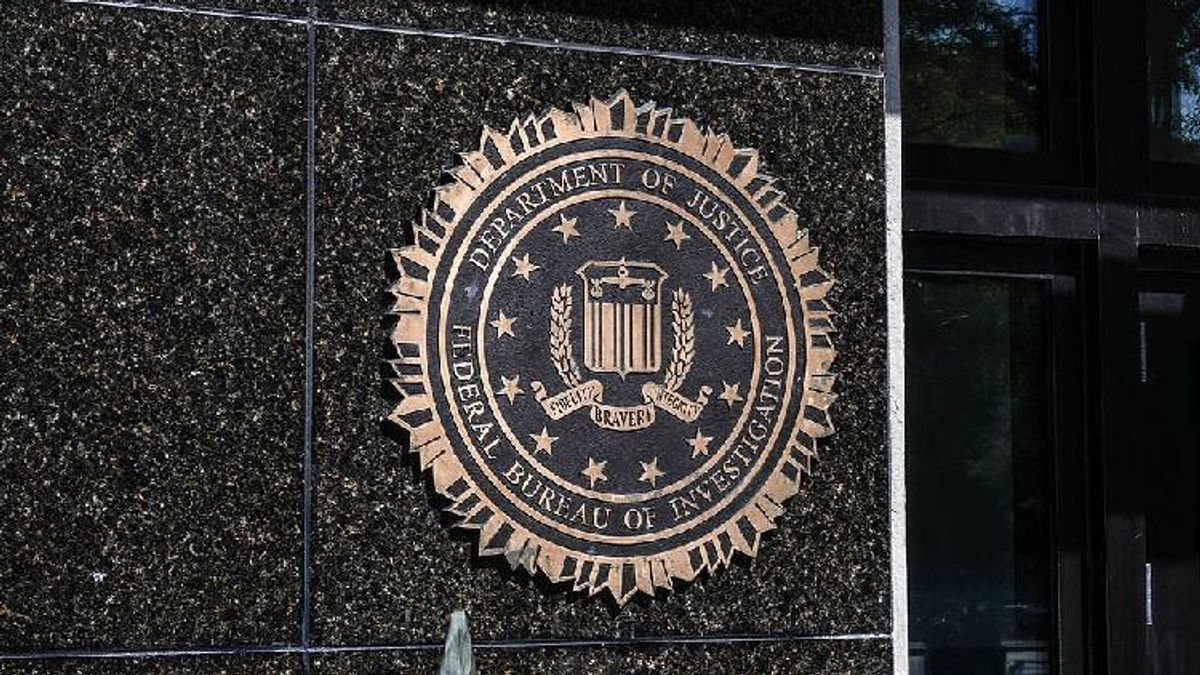
The FBI confirmed that the hacker collective known as ShinyHunters infiltrated its online recruiting platform, extracting medical records, Social Security numbers, family details and intelligence‑related data of current and former staff. In a video posted on X, Assistant Director Brett Leatherman publicly urged the group to contact the bureau, framing the outreach as both a warning and a rare invitation for dialogue. The breach, described by major outlets as one of the worst ever suffered by a U.S. intelligence agency, follows a string of high‑profile intrusions by the same crew, including attacks on a video‑game publisher and an education‑software provider.
The FBI’s cyber division operates under intense political pressure to demonstrate competence after years of criticism over ransomware and election‑interference investigations. By publicly naming the hackers and offering a channel of communication, the bureau attempts to re‑assert control over the narrative, signaling to Congress and the public that it can both track and negotiate with sophisticated adversaries.
For ShinyHunters, data theft is a currency that fuels recruitment, media attention and potential ransom offers. Their claim that the breach was a “marketing campaign” reflects a broader trend where criminal groups monetize notoriety as much as the stolen files themselves. The public taunt to the FBI serves to amplify that brand, positioning the crew as bold enough to challenge a premier U.S. agency.
The United States must now balance domestic calls for tighter cyber defenses with the diplomatic risk of accusing foreign states of tacit support for the hackers. While no direct state link has been proven, the incident occurs amid heightened U.S.–China cyber rivalry, prompting lawmakers to push for stricter export controls on hacking tools and greater funding for the cybersecurity workforce.
The leaked dossiers contain not only names and badge numbers but also personal health information and family contacts. For field agents, such exposure can translate into targeted intimidation, blackmail, or even physical danger, especially in overseas assignments where adversaries already monitor U.S. operatives.
Spouses and children of FBI personnel now face the prospect of their private lives being scrutinized by criminal networks or hostile intelligence services. The psychological toll of knowing that a stranger could weaponize a loved one’s medical history is a burden that extends far beyond the agency’s walls.
When a cornerstone of national security suffers a breach, citizens question the government’s ability to protect their own data. This skepticism can depress participation in federal programs, hinder recruitment for critical roles, and fuel conspiracy narratives that further destabilize public confidence.
Official statements have focused on the external threat, but they gloss over how the breach slipped past existing safeguards. The job portal, managed by a mix of federal IT staff and private contractors, likely suffered from outdated authentication protocols and insufficient network segmentation—issues that have long plagued U.S. government IT projects.
While ShinyHunters claims no intent to publish the data, the sheer volume of intelligence‑related information makes it a tempting asset for rival nations. Analysts suspect that state actors could quietly harvest the files to map U.S. personnel deployments or to construct blackmail dossiers, a dimension that agencies are reluctant to acknowledge publicly.
By echoing the hackers’ own language, mainstream coverage risks normalizing the breach as a publicity stunt rather than a systemic failure. This framing diverts attention from deeper questions about budget allocations, oversight mechanisms, and the revolving‑door relationship between the FBI’s cyber unit and the private security industry.
- Legislative response: Expect hearings in the House Judiciary Committee focusing on mandatory breach‑notification standards for federal agencies and tighter vetting of third‑party contractors.
- Policy shifts: The Department of Justice may expand its cyber‑crime statutes to include compelled cooperation from hacker groups, a move that could set a precedent for future negotiations.
- Operational changes: Look for internal FBI memos mandating multi‑factor authentication upgrades and a review of data‑retention policies across all recruitment platforms.
- International ripple effects: Allies such as the United Kingdom and Canada are likely to issue joint advisories, while adversarial states may test the limits of their own cyber‑espionage playbooks.
- Potential leaks: Monitor underground forums for any fragments of the stolen dataset. Even a single exposed file could trigger a cascade of identity‑theft scams or targeted harassment campaigns against agents.
Staying alert to these developments will help ordinary citizens understand how a breach of a government job site can reverberate through personal safety, national security and the broader digital ecosystem.
The hackers accessed medical records, Social Security numbers, family contacts and intelligence‑related details of current and former FBI staff and job applicants.
Lawmakers are likely to push for stricter breach‑notification rules, increased funding for federal cybersecurity, and tighter oversight of contractors that manage government IT systems.
Source referenced: CGTN
This brief was synthesized by our Editorial Engine and reviewed by The Ground Narrative team.


