TRENDING

Friday, 13 November 2026
----------------------
3 Jumada Al-Thani 1448 AH
A joint British‑Israeli oil venture has reignited the Falklands sovereignty fight, prompting a legal showdown in 2026. The dispute pits national pride against economic need, while ordinary lives hang in the balance.
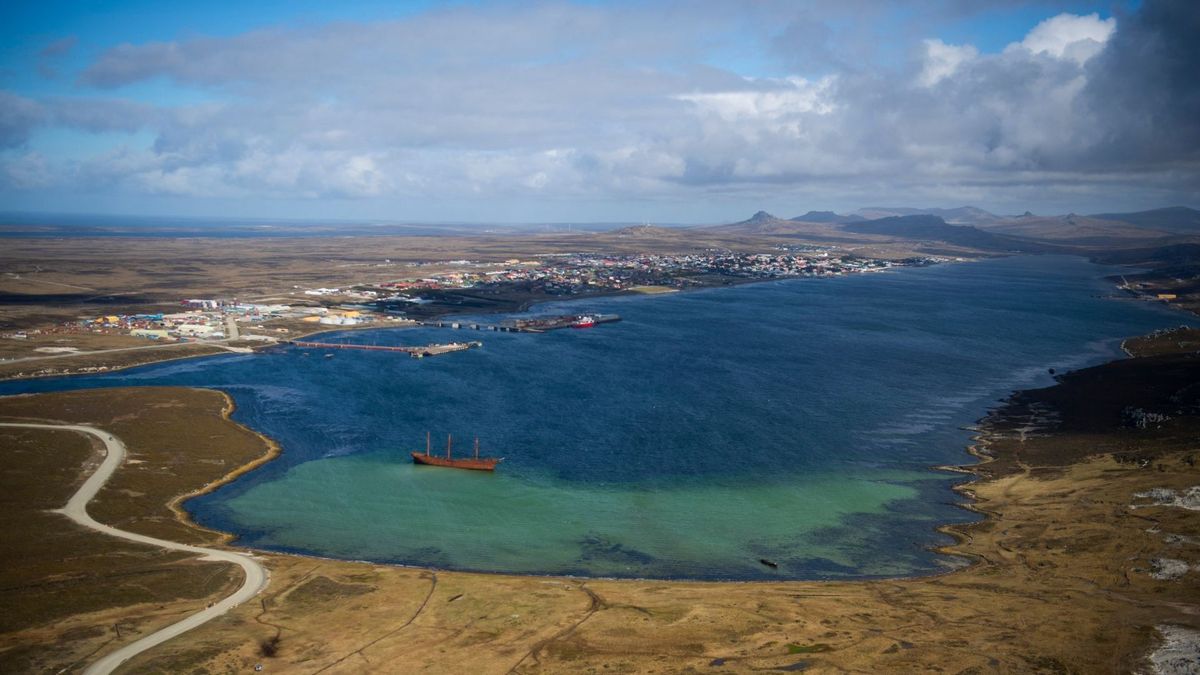
The United Kingdom and Argentina are locked in a fresh legal battle over a new offshore oil project near the Falkland Islands. A consortium led by a British energy firm and an Israeli partner plans to drill in waters claimed by both sides. Argentina, under President Javier Milei, has filed injunctions demanding that drilling stop until sovereignty is settled, while London insists the islands are British territory and the project can proceed. The dispute revives the legacy of the 1982 war, when Argentine forces occupied the islands and were expelled by a British task force.
- Territorial symbolism – For the United Kingdom, retaining the Falklands is a matter of national prestige. The islands serve as a tangible reminder of post‑imperial reach, and any concession could embolden challenges elsewhere, such as in Gibraltar or the South Atlantic.
- Economic incentives – The oil field is estimated to hold several hundred million barrels of recoverable crude. Revenues would flow to the consortium, to the British Treasury, and, indirectly, to the Israeli energy sector, which seeks diversification beyond the volatile Middle East market.
- Domestic politics – President Milei leverages the dispute to rally nationalist sentiment at home, diverting attention from his austerity agenda and high inflation. A successful legal block could be framed as a victory for Argentine sovereignty, bolstering his political capital.
- Alliance calculus – The United Kingdom enjoys implicit backing from the United States, which views the Falklands as a strategic outpost for Atlantic naval operations. In contrast, Argentina looks to regional partners and, quietly, to China, which has shown interest in South Atlantic energy assets.
- International law – Argentina cites UN Resolution 2065, urging a peaceful settlement, while Britain points to the 2013 self‑determination referendum where islanders voted overwhelmingly to remain British. The legal arena becomes a proxy for these competing narratives.
- Corporate stakes – The British‑Israeli venture is backed by major oil majors and private investors seeking high‑return projects in a low‑risk regulatory environment. Their lobbying efforts focus on keeping the dispute framed as a commercial matter rather than a sovereignty issue.
The 3,400‑strong community on the islands depends heavily on tourism, fishing, and modest public sector jobs. An oil spill would threaten fragile marine ecosystems, jeopardizing the very industry that sustains their livelihoods. Moreover, the prospect of increased military presence raises anxiety about becoming a flashpoint in a larger geopolitical contest.
In Patagonia, local fishermen and prospective oil‑field laborers see the project as a chance for jobs and regional development. Yet the legal deadlock stalls any immediate employment, leaving families in a state of uncertainty while the national economy struggles with recessionary pressures.
If the field comes online, it could modestly ease global oil prices, benefitting consumers worldwide. Conversely, a protracted dispute could tighten supply, nudging prices upward and hitting low‑income households in both the United Kingdom and Argentina.
The South Atlantic is home to unique seabird colonies and marine mammals. Drilling operations carry the risk of chronic pollution, which would affect fisheries that supply both local markets and export chains, amplifying food‑security concerns for remote communities.
- Downplayed escalation risk – Official statements from London and Buenos Aires emphasize “peaceful legal resolution,” but both governments have quietly increased naval patrols in the area. The British Ministry of Defence has authorized a new patrol vessel deployment, while Argentina has ordered a refit of its ice‑breaker fleet.
- Corporate framing – The consortium markets the project as a “clean‑energy transition” venture, highlighting plans to reinject CO₂ and use low‑emission rigs. This narrative sidesteps the reality that the extracted oil will still feed fossil‑fuel markets for decades.
- Israeli involvement – Israeli officials have largely avoided public comment, allowing the partnership to be presented as a purely commercial tie‑up. Analysts suspect the collaboration also serves to deepen Israel’s strategic footprint in the Atlantic, a region traditionally dominated by Western powers.
- UN’s limited role – The United Nations has issued a generic call for dialogue but offers no concrete mediation mechanism. This omission reflects the broader inertia of the UN system when powerful states, like the United Kingdom, invoke self‑determination to block external arbitration.
- China’s quiet watch – While Beijing has not issued an official statement, satellite imagery shows increased Chinese research vessels near the South Atlantic. Their presence hints at a longer‑term interest in securing alternative energy supply routes, a factor absent from public discourse.
- International Court filings – Argentina plans to submit a case to the International Court of Justice later this year. The court’s jurisdictional ruling will set a precedent for future offshore disputes.
- Parliamentary debates in London – A forthcoming committee hearing on overseas territories will likely address the oil project’s environmental assessments and the political cost of defending the Falklands.
- Election cycles – Milei’s administration faces mid‑term legislative elections in 2027. A hard‑line stance on the Falklands could become a campaign cornerstone, influencing the intensity of legal and diplomatic actions.
- Energy market signals – Global oil price trends and the rollout of renewable subsidies will affect the project's profitability, potentially reshaping investor commitment.
- Naval movements – Monitoring ship traffic around the islands will reveal whether the legal dispute is spilling into a military standoff. Any escalation could draw in NATO allies or regional blocs, altering the balance of power in the South Atlantic.
- Environmental watchdog reports – NGOs are preparing impact assessments that could be used in court or to sway public opinion. Their findings may force the consortium to adopt stricter safety protocols or even abandon the project.
Staying alert to these developments will help ordinary citizens understand how a distant legal fight over oil can ripple through economies, ecosystems, and the everyday lives of people on both sides of the Atlantic.
Argentina has filed injunctions in both British courts and international tribunals, arguing that drilling violates UN resolutions on disputed territories until sovereignty is resolved.
If the project proceeds, it could bring jobs and revenue to Patagonia but also risk environmental damage that would harm the Falklands’ tourism and fishing sectors, creating a mixed economic impact.
Editor's Note: Analysis based on publicly available statements and historical patterns; some diplomatic nuances may evolve.
Source referenced: ALJAZEERA
This brief was synthesized by our Editorial Engine and reviewed by The Ground Narrative team.