TRENDING

Monday, 26 October 2026
----------------------
15 Jumada Al-Awwal 1448 AH
Massive wildfires in France and Spain highlight Europe's escalating vulnerability to climate change, straining national resources and demanding integrated regional responses. The blazes underscore the profound economic, environmental, and societal challenges posed by extreme weather events across the continent.
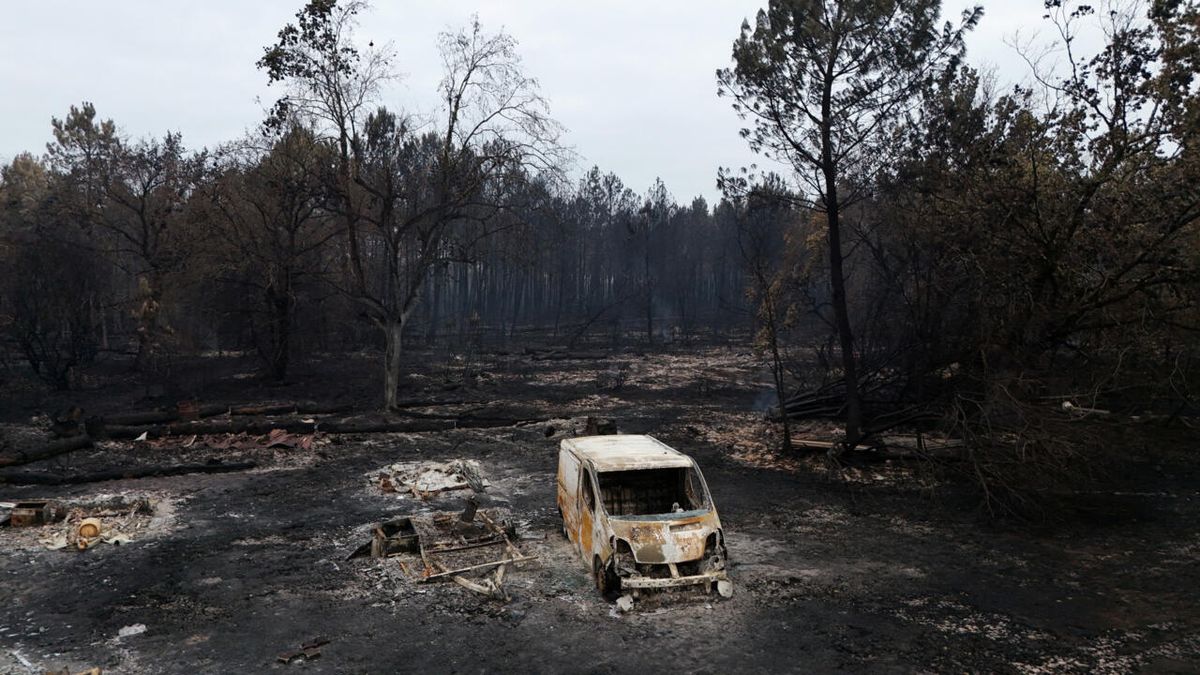
Europe is currently facing a severe and widespread wildfire crisis, with France and Spain particularly affected by blazes of unprecedented scale and intensity. These events are not merely localized disasters but represent a significant geopolitical challenge, exposing vulnerabilities in infrastructure, straining national emergency services, and underscoring the urgent need for comprehensive climate adaptation strategies across the continent.
In France, the Gironde department near Bordeaux has been battling a megafire since July 22, 2026, which has consumed approximately 42,000 hectares of forest. While local authorities reported the blaze as "stable" after a calm night on July 28, the situation remains precarious. Forecasts of rising temperatures, expected to reach 33 to 35°C inland, coupled with strong southeast winds, pose a significant risk of reignition and further spread. French President Emmanuel Macron has visited the fire-ravaged southwest, vowing "to rebuild a different kind of forest," signaling a strategic shift in land management and resilience efforts.
Simultaneously, Spain is contending with its own catastrophic fires. Prime Minister Pedro Sanchez warned of "difficult hours ahead" as fires near Madrid spread towards a massive blaze in Ávila, in the Castile and León region. These combined fires have ravaged an estimated 75,000 hectares in just a few days, an area seven times the size of Paris, making it the "largest" wildfire in Spain's recent history. The Spanish authorities are racing against time, hoping to bring the fires under control before a new heatwave, expected to begin on Wednesday, further exacerbates conditions.
Economic Strain and Resource Allocation: The sheer scale of these fires imposes immense economic burdens. The destruction of vast forest areas impacts timber industries, tourism, and local agriculture. The costs associated with firefighting operations, including personnel, equipment, and aerial support, are substantial. Furthermore, the long-term economic impact includes the expense of rebuilding infrastructure, restoring ecosystems, and supporting affected communities. The simultaneous nature of these large-scale disasters across multiple nations strains national budgets and emergency response capabilities, potentially necessitating cross-border assistance and EU-level coordination through mechanisms like the EU Civil Protection Mechanism.
Climate Change as a Geopolitical Multiplier: These events are increasingly recognized as direct consequences of climate change, manifesting as more frequent and intense extreme weather phenomena. The prolonged heatwaves, drought conditions, and strong winds create ideal conditions for rapid fire propagation. This escalating pattern of climate-induced disasters has profound geopolitical implications. It highlights the vulnerability of developed economies to environmental shifts, potentially leading to internal displacement, public health crises (due to smoke inhalation), and increased pressure on governments to deliver effective climate policies and adaptation strategies. The political stability of affected regions can be tested if populations perceive inadequate governmental responses.
Strategic Adaptation and Land Management: President Macron's pledge to "rebuild a different kind of forest" signifies a recognition that traditional land management practices may no longer be sufficient in a changing climate. This suggests a strategic pivot towards more resilient, fire-resistant ecosystems and potentially a re-evaluation of urban-forest interfaces. Such large-scale environmental engineering and policy shifts will require significant investment, scientific research, and public engagement, shaping national and regional development agendas for decades to come.
European Solidarity and Cooperation: The concurrent crises in France and Spain underscore the interconnectedness of European nations in facing shared environmental threats. The need for coordinated responses, resource sharing, and joint climate mitigation and adaptation strategies becomes paramount. This situation could strengthen calls for greater European integration in disaster management and environmental policy, reinforcing the role of the European Union as a facilitator of collective action against transnational challenges.
The massive wildfires engulfing parts of France and Spain are more than just environmental catastrophes; they are potent indicators of Europe's escalating climate vulnerability with significant geopolitical ramifications. They demand not only immediate emergency responses but also long-term strategic planning, substantial economic investment, and enhanced international cooperation to mitigate the impacts of climate change and build more resilient societies. The frequency and intensity of such events are likely to increase, making climate adaptation a central pillar of national security and economic stability in the coming decades.
Source referenced: FRANCE24
This brief was synthesized by our Editorial Engine and reviewed by The Ground Narrative team.