TRENDING

Friday, 13 November 2026
----------------------
3 Jumada Al-Thani 1448 AH
European leaders convened in Dublin amidst a surge of hybrid attacks targeting critical infrastructure and public services across the continent. These incidents, ranging from widespread hoax bomb threats to cyberattacks, underscore a deepening vulnerability in daily life.
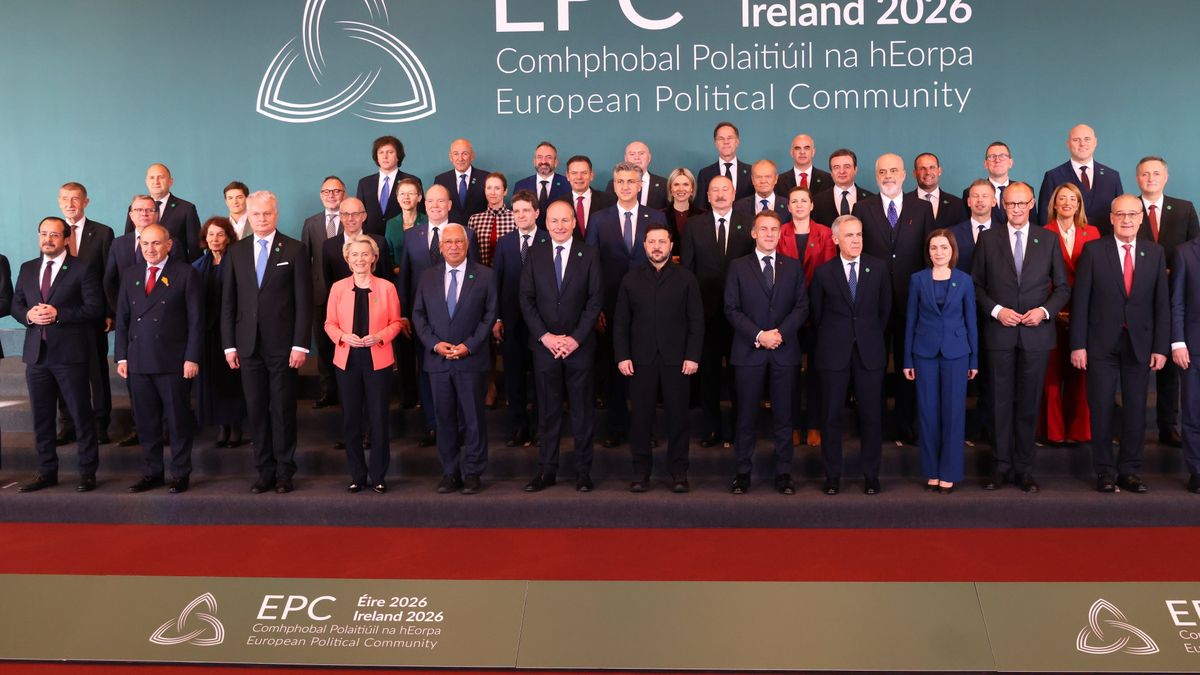
Leaders from over 40 European nations recently gathered in Dublin, the Republic of Ireland, for the biannual European Political Community (EPC) Summit. The central focus of their discussions was the escalating threat of hybrid attacks sweeping across the continent. These attacks, characterized by a blend of cyber warfare and psychological operations, have manifested as widespread hoax bomb warnings targeting thousands of schools in Italy, alongside cyberattacks on vital public services such as supermarkets, blood banks, passenger airlines, and media outlets. The summit also saw renewed discussions around a United States-backed initiative to restart peace negotiations between Russia and Ukraine, with European representation now on the table following an agreement from Russian President Vladimir Putin.
The surge in hybrid attacks across Europe is not random; it is a calculated deployment of power designed to exploit vulnerabilities and achieve strategic objectives without direct military confrontation. The very formation of the EPC in 2022, in the wake of Russia's full-scale invasion of Ukraine, signals a recognition among European states of a shared threat landscape. However, the nature of hybrid warfare allows for plausible deniability, making direct retaliation difficult and keeping adversaries guessing.
The primary power dynamic at play is the ability of a state or state-backed actor to inflict widespread disruption and psychological distress at a relatively low cost. By targeting critical infrastructure like supermarkets and blood banks, or public institutions like schools, the aim is to erode public trust in government, sow division, and ultimately weaken the social fabric of targeted nations. The Irish Taoiseach accurately articulated this goal: to "create confusion, sow division and weaken public confidence in our democratic systems." This strategy is particularly effective in an era of heightened political polarization, where existing societal fault lines can be amplified and exploited.
Russia's historical doctrine of
Source referenced: ALJAZEERA
This brief was synthesized by our Editorial Engine and reviewed by The Ground Narrative team.