TRENDING

Sunday, 25 October 2026
----------------------
14 Jumada Al-Awwal 1448 AH
Recurrent heatwaves are prompting a growing number of European holidaymakers to seek "coolcations" in northern Europe, potentially reshaping the continent's tourism landscape. This emerging trend carries significant economic and geopolitical implications for both traditional Mediterranean hotspots and newly popular cooler destinations.
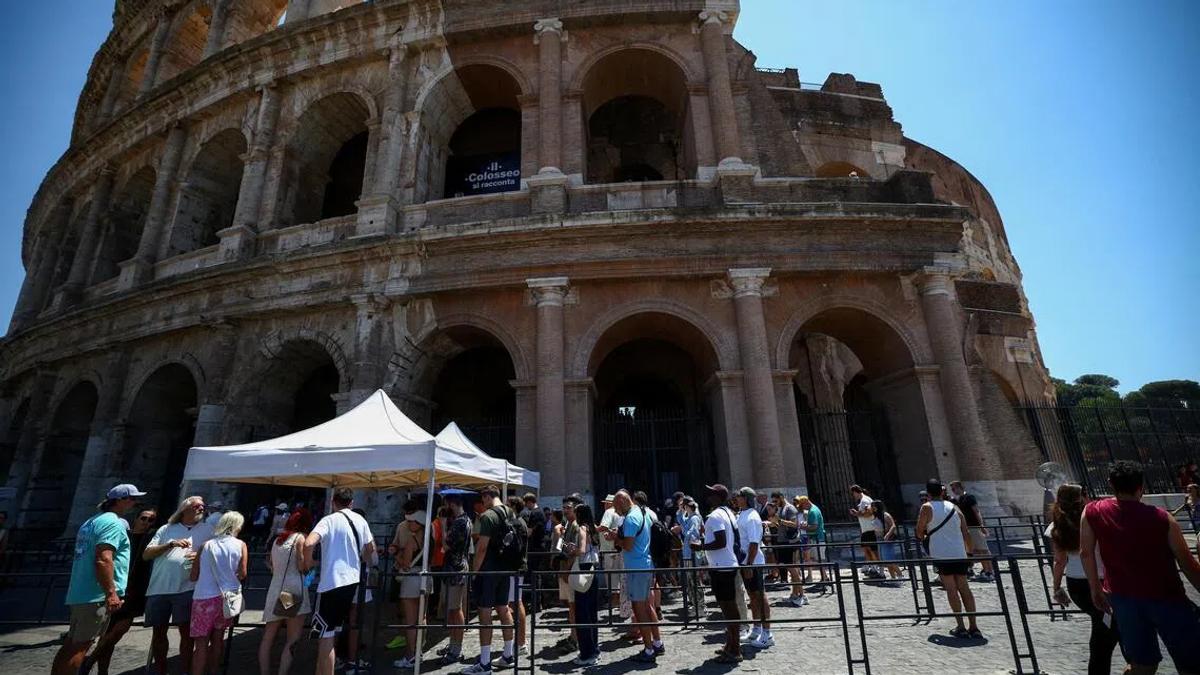
Europe's tourism sector, a cornerstone of its economy and cultural exchange, is experiencing a notable shift driven by the escalating impacts of climate change. In 2026, a discernible trend has emerged where European holidaymakers are increasingly opting for "coolcations"—vacations in cooler northern climes—to escape the recurrent and intense heatwaves gripping southern Europe. This phenomenon, observed across various European nations and even in the United States, signals a potential reorientation of travel patterns with broader geopolitical and economic ramifications.
The impetus behind this shift is clear: what was once a preference for sun-drenched Mediterranean beaches is now being tempered by the desire to avoid temperatures regularly climbing towards 40 degrees Celsius. When the first heatwave struck France in May 2026, searches for destinations like Copenhagen, Denmark, surged by an astonishing 246 percent on Hotels.com, while Dublin, Ireland, saw a 151 percent increase. Similarly, booking growth for Oslo, Norway, and Helsinki, Finland, registered 154 percent and 124 percent year-over-year, respectively. Who are these travelers? Primarily European tourists, such as a recently retired French couple from Marseille, who explicitly sought refuge from the heat in Stockholm, Sweden, expressing amazement at the milder temperatures and fewer crowds. This trend extends to mountain resorts, where higher altitudes offer a welcome drop in evening temperatures, making stays "much more liveable."
The implications of this "coolcation" trend are particularly pertinent for the economic stability of European regions. Southern European countries, including Spain, Italy, and Greece, have long relied heavily on tourism as a primary economic driver, boasting extensive infrastructure and established cultural appeal. A sustained diversion of summer tourists could pose a significant challenge to these economies, potentially impacting employment, local businesses, and national revenues. While data from 2025 showed record visitor numbers for Greece and Spain, and Spanish tourism spending rose in Q2 2026, suggesting resilience, the long-term effects of climate-driven shifts remain a critical concern. Should the trend solidify, these nations may need to adapt their tourism strategies, perhaps by promoting shoulder seasons (spring and autumn) more aggressively, as suggested by some experts, to mitigate the impact of extreme summer heat.
Conversely, northern European nations and mountain regions stand to benefit from this evolving preference. Increased tourist arrivals could inject new vitality into their economies, fostering job creation and stimulating investment in tourism-related infrastructure. This could lead to a subtle rebalancing of economic activity within the European Union, with new tourism hubs emerging in areas previously less associated with summer leisure travel. However, a rapid and substantial influx of visitors could also strain existing infrastructure and natural resources in these regions, which may not be equipped for mass summer tourism, potentially leading to issues of overtourism in new locales.
Beyond immediate economic shifts, the "coolcation" phenomenon touches upon broader geopolitical and social considerations. Climate change, as the underlying driver, is increasingly recognized as a major factor influencing human mobility, resource allocation, and regional stability. The European Union, committed to regional cohesion, may face new challenges in supporting member states whose economies are disproportionately affected by climate-induced changes in tourism patterns. This could necessitate new EU-level policies for regional development, climate adaptation, and sustainable tourism.
Socially, the redistribution of tourists could alleviate "overtourism" in some traditional hotspots, potentially improving the quality of life for local residents and reducing environmental strain. However, it could simultaneously introduce similar pressures to previously quieter northern destinations. The cultural exchange inherent in tourism also stands to be reshaped, as different regions become primary destinations for diverse groups of travelers. The long-term sustainability of these shifts will depend on how effectively both host and origin countries adapt their policies and infrastructure to these evolving demands.
Despite the clear surge in "coolcation" interest in 2026, experts remain cautious about whether this represents a durable shift or merely a temporary fad. Factors beyond temperature, such as pricing, cultural appeal, established infrastructure, accessibility, and exchange rates, continue to heavily influence travel decisions. Southern Europe's traditional advantages in these areas mean that a complete overhaul of the European tourism map is not yet a certainty. As Swedish professor Stefan Gossling notes, "Italy is not Denmark in terms of culture, environment, prices. All of that means people don’t easily change destinations when they have a favourite."
Nevertheless, the trend underscores the growing influence of climate change on human behavior and economic sectors. Even if a full geographical shift does not materialize, a seasonal redistribution of tourism, with hotter countries becoming more popular in spring and autumn, appears to be a plausible adaptation strategy. This would allow travelers to avoid both extreme temperatures and peak-season crowds, while still supporting the economies of traditional destinations. Ultimately, the "coolcation" trend serves as a tangible indicator of how climate change is beginning to subtly, yet significantly, reshape the geopolitical and economic landscape of Europe, demanding proactive adaptation and strategic foresight from policymakers and industry stakeholders alike.
Source referenced: STRAITSTIMES
This brief was synthesized by our Editorial Engine and reviewed by The Ground Narrative team.