TRENDING

Friday, 16 October 2026
----------------------
5 Jumada Al-Awwal 1448 AH
An exceptionally early heat wave shatters records and brings deaths in Europe, highlighting the increasing frequency and severity of extreme weather events linked to climate change.
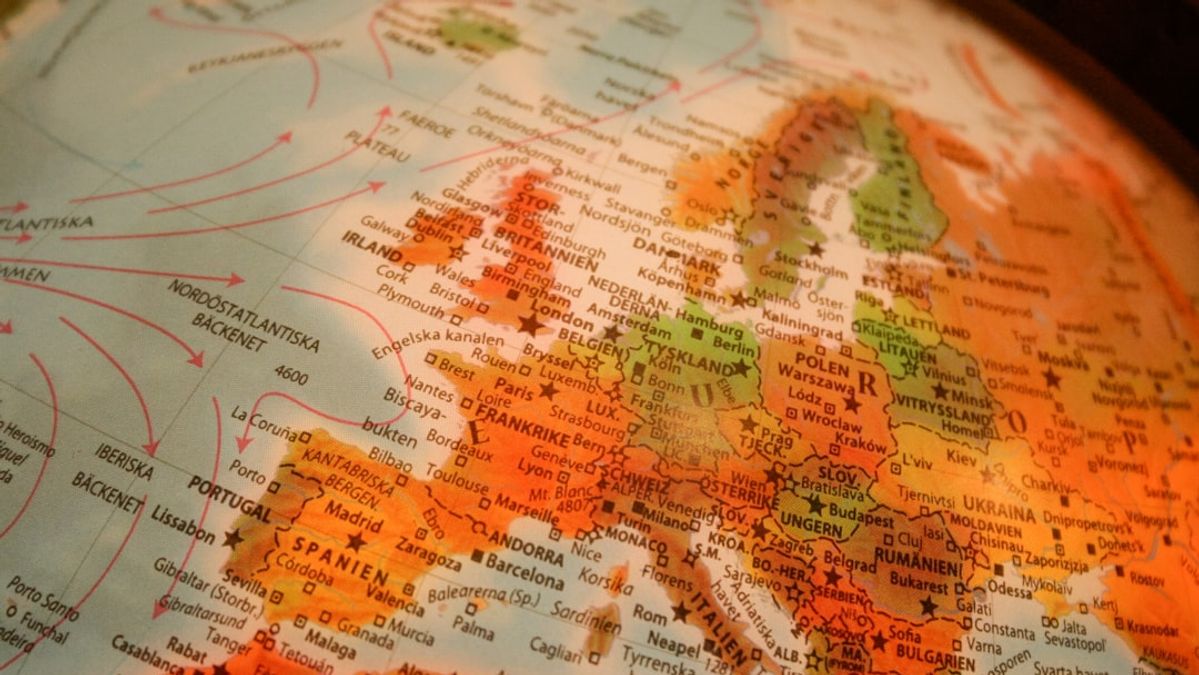
Europe is reeling from an exceptionally early heat wave that has shattered temperature records and claimed lives. The heat wave, which has brought temperatures above 95°F (35°C) to parts of Western Europe, has triggered government warnings and highlighted the increasing frequency and severity of extreme weather events linked to climate change.
This heat wave is not an isolated incident. Unpredictable and extreme weather events have become more frequent in recent years, with scientists attributing this trend to climate change. The World Meteorological Organization (WMO) has reported a significant increase in heat-related mortality and morbidity worldwide, with Europe being one of the most affected regions.
Europe's heat wave is particularly concerning due to the region's aging population, inadequate infrastructure, and lack of air conditioning in many homes, schools, and businesses. The UK's Health Security Agency has issued an amber health alert, warning of a potential health risk, particularly among older people, at the hottest times of the day.
The early heat wave is a stark reminder of the urgent need for climate action. Climate scientists have linked hundreds of severe heat waves to fossil fuel producers' pollution, emphasizing the need for a rapid transition to renewable energy sources. The European Union has set ambitious climate targets, but the pace of progress remains slow.
The heat wave is a harbinger of the consequences of climate change. As the planet continues to warm, extreme weather events will become more frequent and severe. The World Health Organization (WHO) has warned that climate change will lead to an increase in heat-related illnesses and deaths, particularly among vulnerable populations.
The early heat wave in Europe is a wake-up call for climate action. It highlights the urgent need for governments, businesses, and individuals to work together to reduce greenhouse gas emissions and transition to a low-carbon economy. The consequences of inaction will be devastating, and it is imperative that we take immediate and sustained action to mitigate the impacts of climate change.
Editor's Note: The analysis is based on current scientific understanding and available data, but the exact consequences of climate change are uncertain and subject to ongoing research.
Source referenced: NPR
This brief was synthesized by our Editorial Engine and reviewed by The Ground Narrative team.